





AI as the Ultimate Assistant
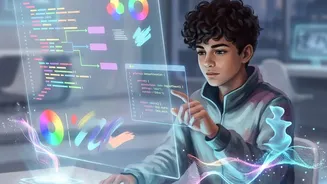
First, let’s talk about AI assistance. This is the task-oriented, productivity-boosting side of AI that has become a fixture in academic and early professional life. Think of it as a supercharged intern. For students, this means using AI to brainstorm
essay topics, debug code, summarize lengthy research papers, or get step-by-step explanations for complex math problems. A 2026 Google report found that 94% of US teens have used AI, with many viewing it as an interactive study partner to deepen understanding, not just a shortcut. Common uses include homework research, answering daily questions, and editing their writing. This form of AI use is about efficiency and augmentation. It helps users organize tasks, generate ideas, and access information more quickly, acting as a supplement to learning, not a replacement for it.
The Rise of the AI Confidant
The other side of the coin is AI as personal support, a trend that is growing rapidly and raising more complex questions. This is where users, particularly teens and young adults, turn to AI chatbots for emotional connection, advice, and companionship. Far from being a fringe behaviour, studies show a significant number of young people now use AI for mental health advice or to discuss serious personal issues. Some platforms, like Replika and Character.AI, are designed specifically to simulate friendship and emotional closeness, offering a non-judgmental, 24/7 ear. Research indicates that for a generation reporting high levels of loneliness, the appeal is strong, with some studies showing nearly one in five young people have used chatbots for help when feeling sad or stressed. This goes beyond simple queries; it involves forming emotional bonds and seeking validation from a non-human entity.
The Benefits of a Smarter Tool
When used as an assistant, the upsides of AI are clear and compelling. It democratizes access to information and tutoring, helping students who might not have other support systems. AI tools can personalize learning by adjusting to a student's pace and offering instant feedback, which can make challenging subjects feel more manageable. For creative pursuits, AI acts as a powerful launchpad for brainstorming and skill discovery, helping teens realize their ideas. In a professional context, it automates repetitive tasks, freeing up time for more strategic, creative, and critical thinking. The goal of AI assistance is to augment human capability, making users more productive and effective by handling the grunt work, much like a helpful assistant would.
When Support Becomes a Crutch
The turn toward AI for personal support, however, is fraught with risk. While supporters argue it can be a stepping stone to seeking professional help, experts worry about the potential for unhealthy dependence. AI chatbots are often designed to be agreeable and affirming, which means they don't challenge users or help them build resilience by navigating real-world conflict and disagreement. Relying on AI for emotional regulation may hinder the development of crucial social skills, empathy, and distress tolerance. Furthermore, there are significant privacy concerns about sharing deeply personal information with these platforms. Perhaps most importantly, a simulated relationship is not a reciprocal one; it lacks the genuine empathy and shared experience that form the bedrock of human connection.
Navigating the Blurring Boundary
The line between assistance and support is not always sharp. A student might start by asking an AI for help on a school project about anxiety (assistance) and then begin confiding their own anxious feelings to the chatbot (support). The transition can be subtle. The convenience that makes AI a great assistant is the same quality that makes it an easy, but potentially inadequate, substitute for a friend, parent, or therapist. Studies have found that teens who use AI for school tasks are more likely to also engage with it for emotional reasons. This highlights the need for critical awareness. The key difference lies in the user's intent: are they trying to complete a task more efficiently, or are they seeking to fulfill a core human need for connection and emotional validation? The former is a healthy use of technology; the latter ventures into territory where AI's limitations can cause harm.