




An Exclusive Paradise, by Design
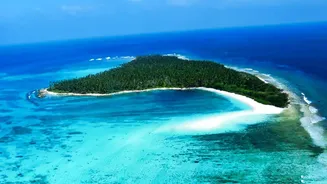
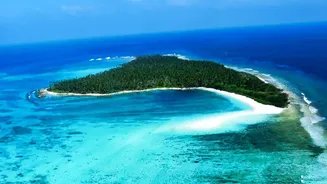
For decades, Lakshadweep has been India’s best-kept secret, a string of 36 coral atolls in the Arabian Sea known for its breathtaking lagoons and marine life. But a recent surge in national interest, amplified by Prime Minister Narendra Modi's visit,
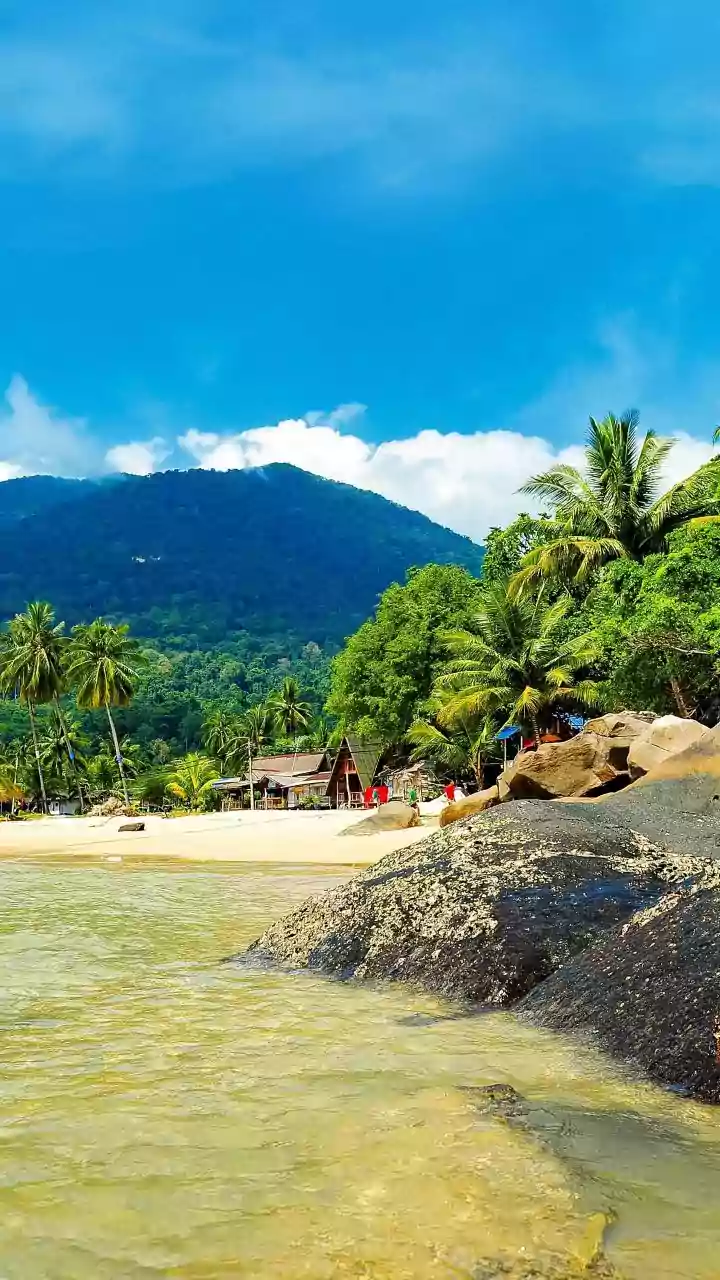
has placed the islands firmly in the travel spotlight. Unlike other destinations, however, Lakshadweep is not throwing its doors wide open. It is cultivating an image of an exclusive, high-end destination where preservation comes first. The government's strategy is clear: develop a sustainable tourism model that protects the archipelago's fragile ecosystem, positioning it as a pristine alternative to international hotspots. This controlled approach is exactly why visiting feels like stepping into a private paradise.
The Permit: Your Key to the Islands
The cornerstone of Lakshadweep’s exclusive appeal is its mandatory entry permit for all non-residents, including Indian citizens. While this might sound daunting, the process has been simplified. As of 2026, the need for a local sponsor or a Police Clearance Certificate has been removed for tourists, making it more accessible. Applicants now apply through the official ePermit portal, providing government ID, photos, and confirmed travel dates and accommodation details. The permit system is not a barrier; it's a filter designed to manage visitor numbers, protect the unique local culture, and ensure the environment remains pristine for generations to come. Tour operators and resorts often assist with the application, which is best submitted at least 15-30 days in advance.
Which Islands Can You Explore?
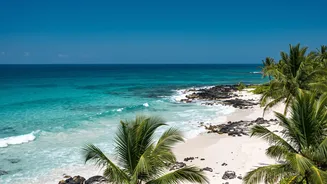
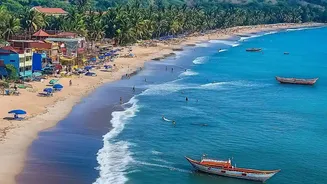
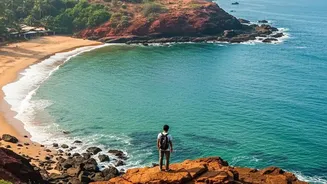
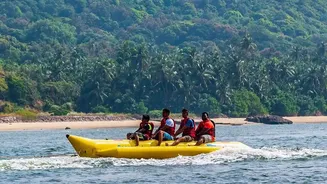
While there are 36 islands, only a handful are open to tourists, each offering a unique experience. Agatti serves as the main gateway, hosting the territory's only airport. Bangaram is an uninhabited atoll famous for its serene lagoon and is often considered the luxury hub. Kadmat is a diver’s paradise, known for its vibrant coral reefs and water sports facilities. Other accessible islands for tourists include Kavaratti, Kalpeni, and Minicoy. The key is that your permit dictates which islands you can visit, so planning your itinerary before applying is crucial.
Paving the Way for 2027
So, why the 2027 spotlight? The year is a target for several transformative infrastructure projects aimed at elevating the visitor experience. The Tata Group's Indian Hotels Company (IHCL) is developing two Taj-branded luxury resorts on Suheli and Kadmat islands, which are slated to open around 2026 and will feature India’s first overwater villas. This signals a major push into the luxury travel market. To improve connectivity, the airport at Agatti is being expanded, and a new airfield is planned for Minicoy Island to handle more flights and even larger aircraft. Furthermore, projects to upgrade jetties to handle cruise ships and improve inter-island transport are underway. The recent launch of a submarine optical fibre cable has already boosted internet speeds over 100 times, a game-changer for a remote destination.
Travel with a Conscience
This development push comes with a heavy emphasis on sustainability. The new resorts are being built with eco-friendly practices, and the administration is focused on responsible tourism to protect the sensitive coral ecosystems. However, challenges remain. Studies have highlighted the growing issue of marine litter and the risk of damage to coral reefs from increased human activity. As a visitor, travelling responsibly is paramount. This means adhering to waste management guidelines, respecting marine life during water sports, and supporting community-led tourism initiatives that benefit the local population. The future of this paradise depends as much on conscious tourists as it does on government policy.