






The Cardio and Calorie Burn Question
When it comes to pure cardiovascular intensity and burning calories, skipping is the undisputed champion. It's a high-intensity workout that elevates your heart rate quickly, making it incredibly efficient. Studies show that jumping rope can burn a significant
number of calories in a short amount of time—upwards of 10 to 16 calories per minute. In contrast, yoga is generally a lower-intensity activity. While a vigorous vinyasa flow will certainly get your heart pumping, its primary focus isn't calorie-torching cardio. A cardio workout will typically burn more calories than a yoga session of the same duration. For those whose goal for being 'lighter' is linked to weight management, skipping provides a more direct path to a calorie deficit.
Agility and Footwork: The Core of the Matter
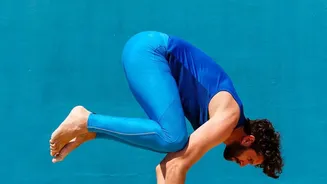
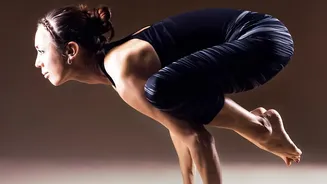
To be 'light on your feet' means being agile, quick, and coordinated. Skipping directly trains this skill. The repetitive motion of jumping while timing the rope's swing enhances the connection between your mind and body, improving coordination, balance, and quickness. It forces you to stay on the balls of your feet, which is fundamental for developing athletic footwork. On the other hand, yoga improves agility through a different mechanism. It focuses on balance, body awareness, and flexibility. Poses that challenge your stability and require precise foot placement, like Tree Pose or the Warrior series, enhance your proprioception—your body's ability to sense its position in space. This improved body awareness and flexibility allows for more fluid and controlled movements, which is a key component of agility.
Building Functional Strength
Both skipping and yoga build functional strength, but they target muscles differently. Skipping is a fantastic lower-body workout, strengthening the calves, quads, and glutes through its repetitive plyometric motion. It also engages your core to maintain stability and your shoulders and arms to turn the rope. Yoga provides a more holistic approach to strength. It uses your own body weight to challenge muscles throughout your entire body. Different poses, or asanas, work to strengthen everything from your feet and ankles to your core, back, and arms. Yoga excels at building the small, stabilising muscles that are often neglected in other forms of exercise but are crucial for balance and preventing injury.
Impact on Joints and Injury Prevention
A common concern with high-intensity exercise is the impact on joints. While skipping is considered a high-impact activity, some research suggests it can put less stress on the knees compared to running, as long as proper form is maintained. The key is to jump just high enough to clear the rope and land softly on the balls of your feet. However, it can be stressful on the ankles and calves. Yoga is the clear winner for a low-impact workout. It emphasizes slow, controlled movements and static holds that build strength and flexibility without jarring the joints. This makes it an excellent activity for improving joint mobility and can even help alleviate pain from conditions like plantar fasciitis by stretching the muscles and tendons in the feet.
The Mind-Body Connection
While often overlooked, the mental aspect of exercise is critical. Skipping requires a high degree of concentration to maintain rhythm and avoid tripping, which can develop the connection between your brain's left and right hemispheres. This focus can be a form of moving meditation for some, enhancing alertness and memory. Yoga, however, is built entirely around the mind-body connection. The practice encourages a deep focus on breath, body alignment, and the present moment. This mindfulness not only reduces stress but also dramatically increases your body awareness, helping you move more efficiently and gracefully in all aspects of life.