








The Temptation of AI-Only Training
The corporate world is buzzing with a sense of urgency around artificial intelligence. Executives see AI as a critical path to innovation, efficiency, and competitive advantage. This has triggered a massive push for employee upskilling, with a heavy focus
on developing AI fluency. Training programs promise to equip teams with the skills to use large language models, build AI-powered features, and leverage generative tools to accelerate workflows. The allure is obvious: tasks that once took days can now potentially be done in hours. For employers, the idea of quickly transforming their workforce into an AI-enabled powerhouse is incredibly compelling. The focus is often on the tools themselves—learning to write effective prompts, interact with AI assistants, and integrate pre-trained models into existing products. This approach promises a fast track to productivity gains and a way to stay relevant in a rapidly changing market.
The Hidden Cost of Forgetting Fundamentals
However, a strategy that prioritizes AI tools over domain knowledge creates a significant, often hidden, risk. When engineers rely on AI without a deep grasp of underlying principles, they become operators rather than owners of their systems. An AI can generate a complex design or lines of code that appear correct, but it lacks the real-world understanding and ethical judgment that comes from experience. It doesn't know why a specific database schema was chosen or the physical limitations of a material. This can lead to subtle but critical flaws, such as security vulnerabilities, code that is difficult to maintain, or designs that violate basic physics. Over-reliance on AI can erode the critical thinking and problem-solving skills that form the bedrock of good engineering. The work shifts from creative design and deep thinking to simply reviewing and debugging AI output, which is mentally taxing and can create a false sense of speed. This creates a dangerous knowledge gap where no one on the team can fully explain or vouch for the system they are building.
Building the Augmented Engineer
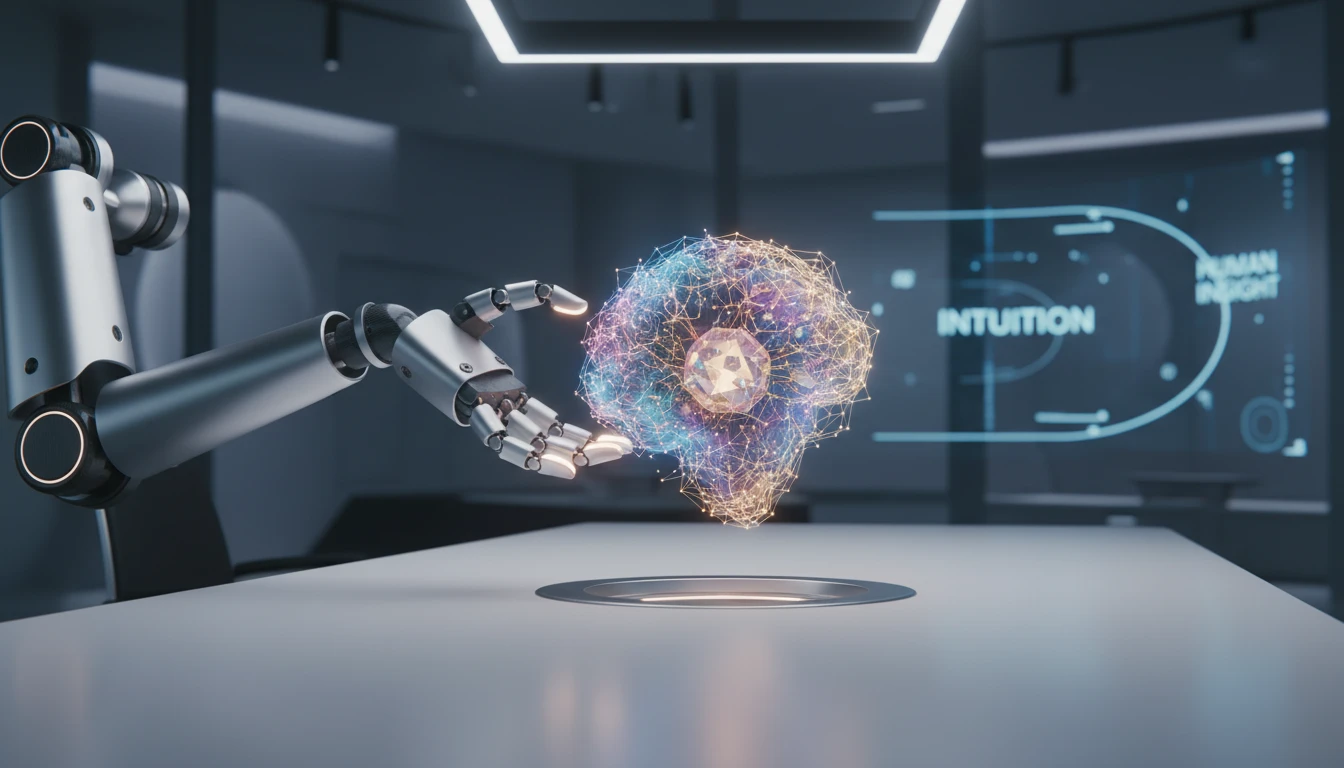
The most effective and future-proof approach is not to choose between fundamentals and AI, but to integrate them. The goal should be to create augmented engineers—deep experts who wield AI as a powerful tool to enhance their own abilities. This requires a new kind of training. Instead of just a course on using AI tools, companies should design programs where engineers use AI to solve problems and are then required to validate the output using their core knowledge. For example, a mechanical engineer might use a generative design tool to create new component options but must then perform the structural analysis and material science validation themselves. A software engineer might use an AI assistant to write boilerplate code but remains responsible for the overall system architecture and security. This dual-skill approach ensures that AI is used as an amplifier for human expertise, not a replacement for it. The engineer of the future isn't just a prompt writer; they are a domain expert who knows how to guide, question, and correct AI.
What Integrated Training Looks Like
Effective, integrated training moves beyond video lectures and into hands-on, project-based learning. Companies can structure workshops where cross-functional teams tackle a real business problem, using AI tools as part of the process. The key is to build in checkpoints that force a return to first principles. This could involve code reviews where developers must explain the AI's logic, or design presentations where engineers must justify an AI-suggested solution against established standards and safety codes. The curriculum should be designed around building complete, reliable systems, not just experimenting with models. This means including modules on data management, systems architecture, and MLOps, ensuring that the AI components are part of a robust and maintainable whole. Several educational institutions and corporate training providers are already offering programs that combine AI implementation with core engineering disciplines, providing a model for in-house training departments to follow.