




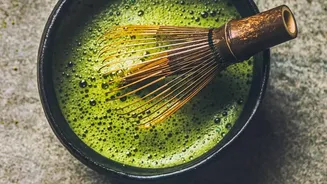
What Exactly Is This Green Powder?
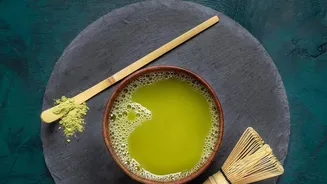
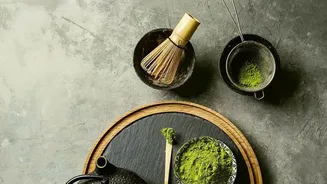
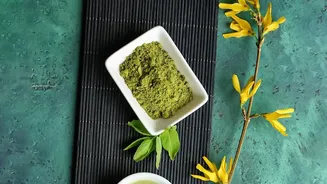
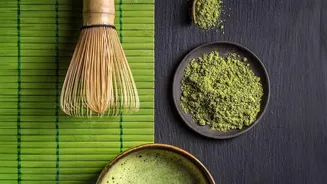
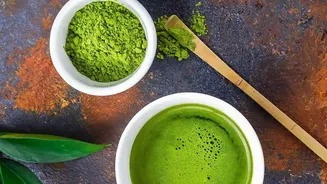
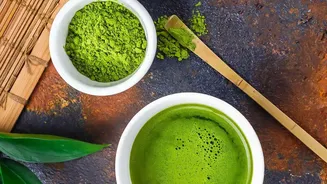
Before it was in your latte or ice cream, matcha had a centuries-old history in Japanese tea ceremonies. Unlike regular green tea, where you steep and discard the leaves, matcha is a fine powder of specially grown, shade-covered tea leaves that you consume
whole. This means you ingest all the nutrients, chlorophyll, and antioxidants the leaf has to offer. This fundamental difference is key to both its potent health benefits and its distinct, earthy flavour profile. Recent Google Trends data shows a massive spike in Indians searching not just for "what is matcha" but also "how to make matcha," indicating the trend is moving from cafes into home kitchens.
More Than Just a Cup of Tea
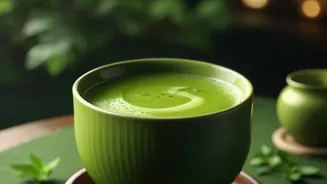
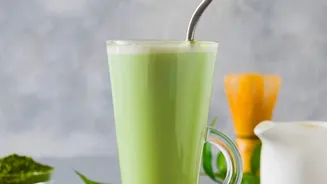
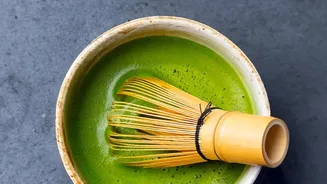
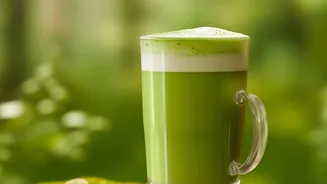
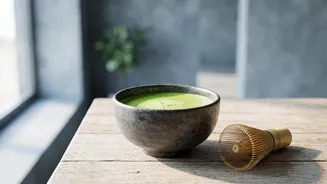
While a traditionally prepared bowl of matcha, whisked with hot water, is still a revered ritual, most Indians are encountering it in more creative forms. The iced matcha latte has become a staple in urban cafes from Delhi to Bangalore, but the experimentation goes much further. Menus now feature everything from matcha cheesecakes, cookies, and brownies to matcha-infused mochi ice cream and French toast. This versatility is a major driver of its popularity, allowing chefs and home cooks to add a dash of green, a hint of umami, and a wellness halo to almost any dish. Its vibrant colour also makes it incredibly photogenic, a key factor in its rapid spread on social media.
A Sip of Wellness
The rise of matcha in India is closely tied to a broader wellness movement. Health has become a significant driver, with searches for "matcha health" and "matcha protein" soaring by 1,000% and 2,500% respectively over the past year. Matcha is packed with antioxidants, particularly catechins like EGCG, which are linked to various health benefits. It also contains an amino acid called L-theanine, which, when combined with caffeine, provides a state of 'calm alertness'—a sustained energy boost without the jitters or crash often associated with coffee. This unique effect has made it a popular choice for those looking for improved focus and a healthier alternative to sugary energy drinks.
Giving Matcha an Indian Twist
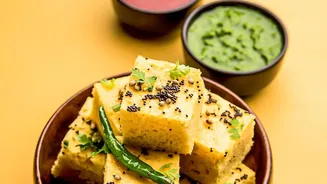
While matcha has global appeal, it's truly taking root in India by adapting to local tastes. The earthy, sometimes slightly bitter flavour of pure matcha can be an acquired taste. To make it more accessible, cafes and home experimenters are blending it with familiar, beloved flavours. Search trends show significant interest in fusions like "mango matcha" and "strawberry matcha". Creative recipes are emerging for everything from a matcha rose lassi and matcha nimbu pani to even savoury dishes like matcha masala dosa tacos and matcha biryani, proving that the green powder is being fully integrated into the modern Indian palate.