


Planning Your Tuscan Drive
To truly experience the Tuscan countryside, a car is essential. While major cities like Florence and Siena are connected by public transport, a car offers the freedom to explore remote agriturismos and meander at your own pace. When renting, opt for the smallest
vehicle possible; narrow village streets will make you grateful for a compact car. Be mindful of ZTL zones (Zona a Traffico Limitato), or restricted traffic areas, in historic centres. These are often monitored by cameras, and unauthorized entry can result in fines. It's best to park in designated lots outside the ancient walls and walk into the towns. The ideal times to embark on this road trip are late spring (May-June) or early autumn (September-October), when the weather is pleasant and the summer crowds have thinned.
The Chiantigiana Road: Your Scenic Route
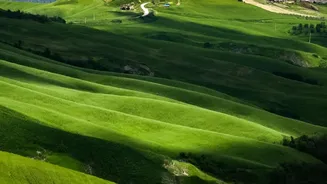
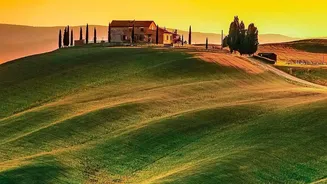
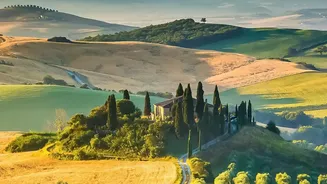
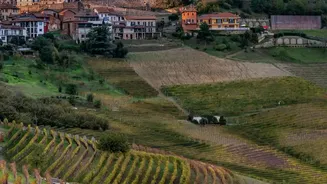
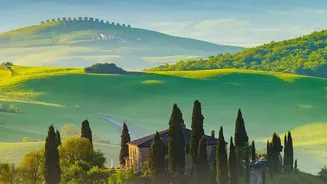
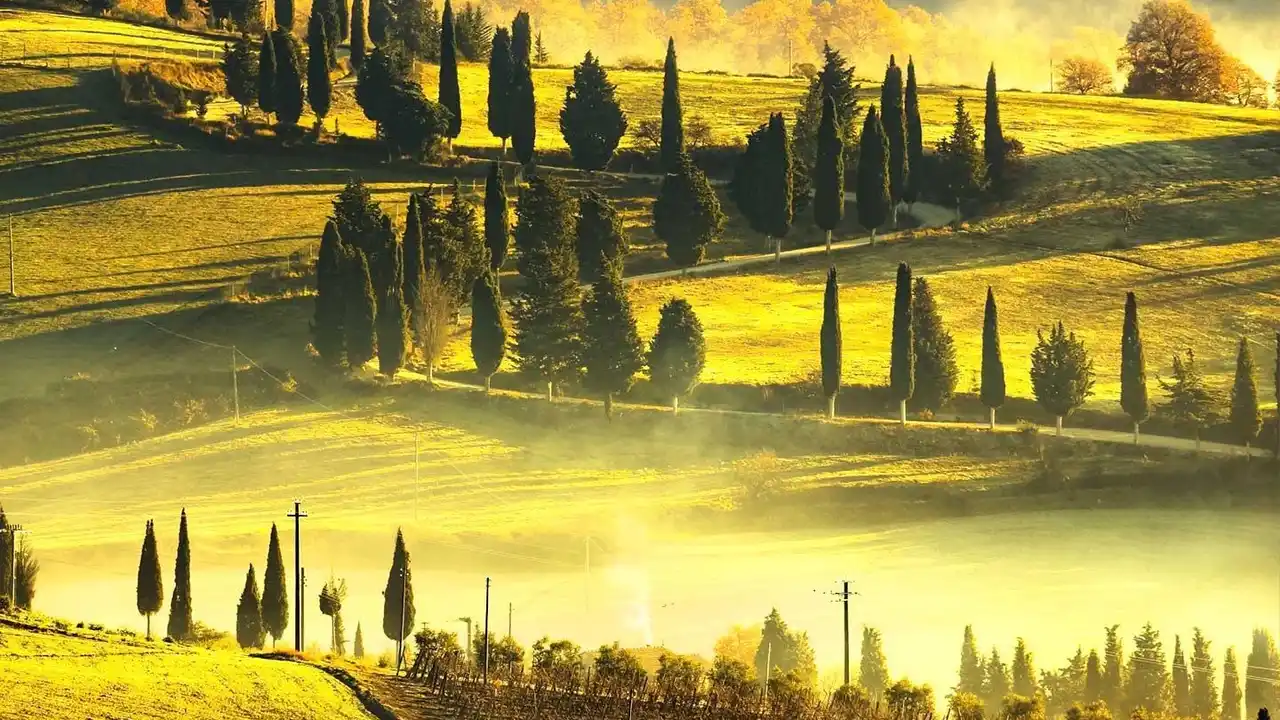
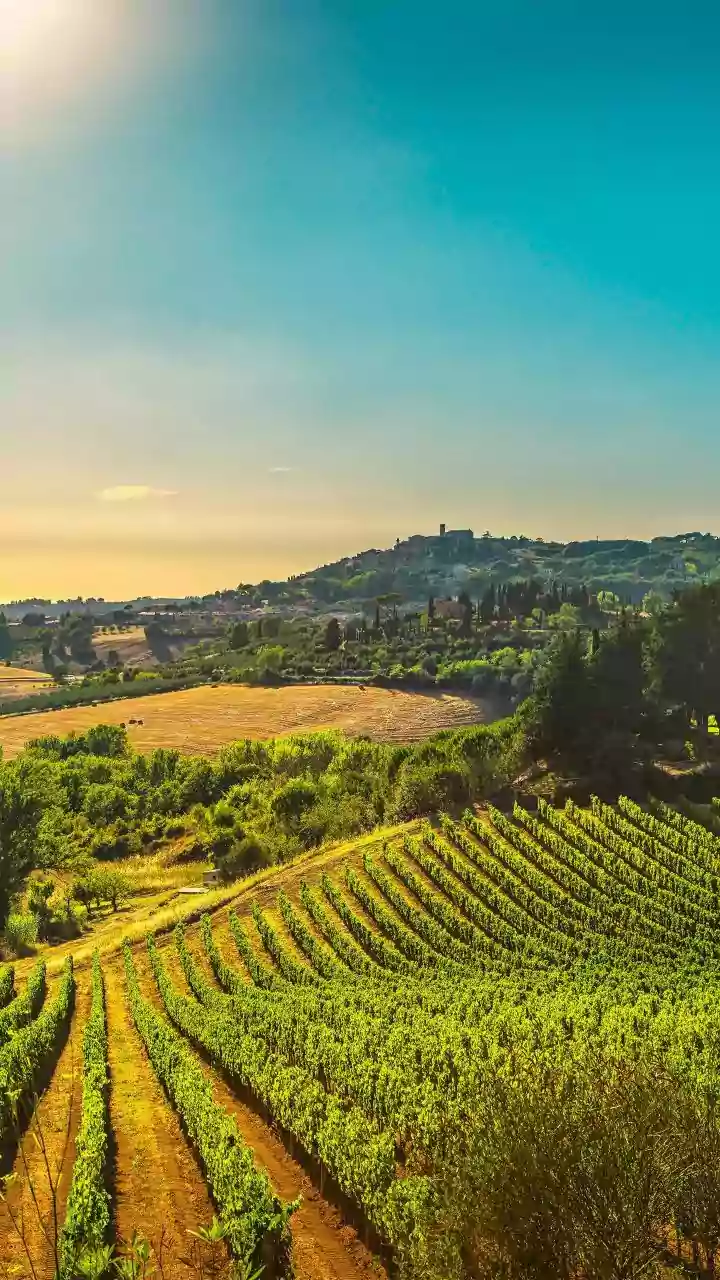
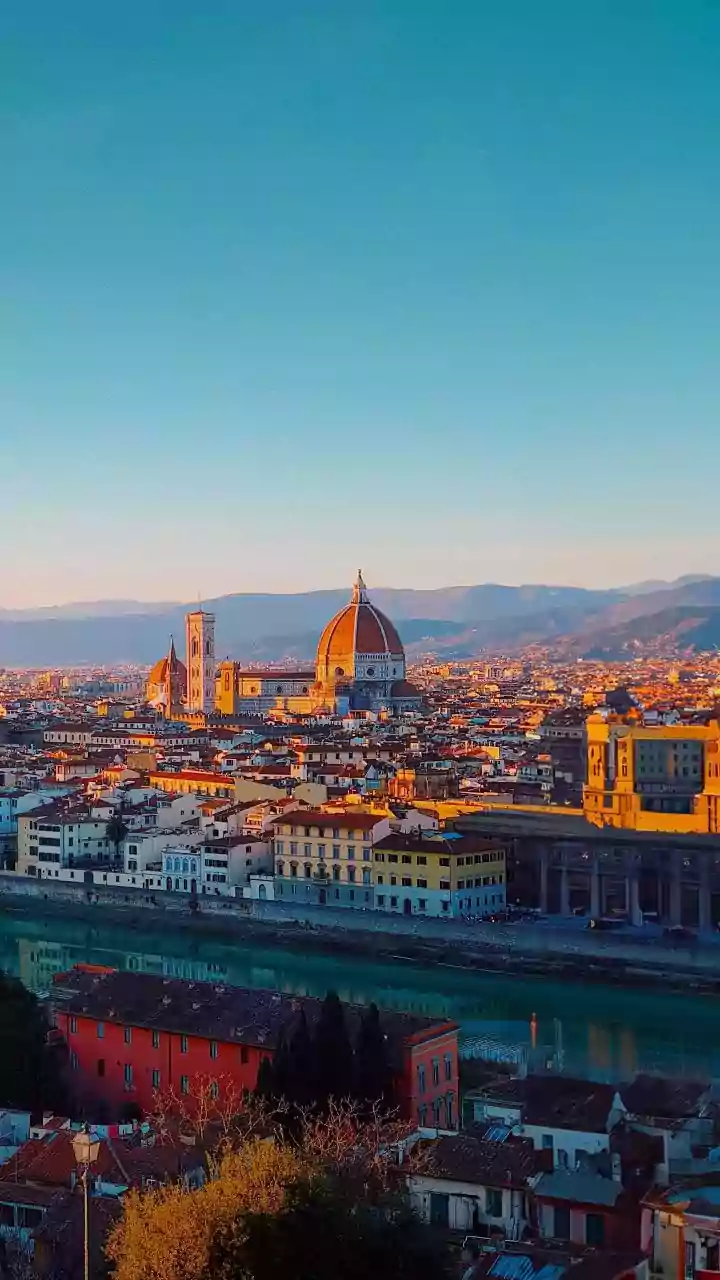
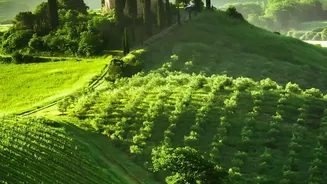
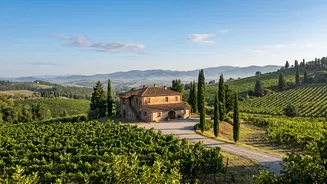
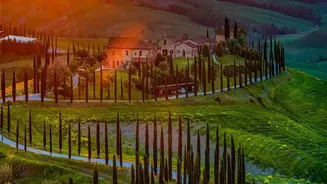
Forget the faster autostrada; the heart of this road trip is the Via Chiantigiana, also known as the SR222. This historic road winds for about 70 kilometres from Florence to Siena, cutting through the heart of the Chianti Classico wine region. The drive itself, without stops, takes around 90 minutes to two hours, but its entire purpose is to be taken slowly. The route is a living painting of everything you imagine Tuscany to be: rolling hills draped in vineyards, ancient olive groves, and postcard-perfect stone farmhouses. Every curve in the road reveals a new vista, inviting you to pull over, take a photo, and simply soak in the landscape.
First Stop: Greve in Chianti
Considered the gateway to the Chianti region, Greve is an essential first stop after leaving Florence. The town is built around the unique, triangular Piazza Matteotti, a bustling main square lined with porticoed walkways, artisan shops, and inviting cafes. This is the perfect place to get your first taste of the region. You can visit the Wine Museum, browse for local delicacies, or pay respects at the statue of Giovanni da Verrazzano, the explorer born near Greve who first charted New York Harbor. On Saturday mornings, the piazza hosts a lively market, offering fresh produce and local crafts.
Heart of Chianti: Panzano and Castellina
Continuing south on the SR222, the journey takes you deeper into wine country. Panzano in Chianti, perched on a hill, offers sweeping panoramic views and is home to one of Italy's most famous butchers, Dario Cecchini. A little further along is Castellina in Chianti, a town with ancient Etruscan roots that once served as a Florentine military outpost. Here, you can walk the Via delle Volte, a fascinating covered stone passageway that runs alongside the old town walls, offering a cool respite and unique photo opportunities. The town's medieval fortress, known as the Rocca, also houses an archaeological museum.
The Walled Wonder of Monteriggioni
As you near Siena, a slight detour off the SR222 brings you to one of Tuscany's most astonishing sights: Monteriggioni. This perfectly preserved medieval village sits atop a small hill, completely encircled by its original 13th-century fortified walls and fourteen imposing towers. Mentioned by Dante in his 'Inferno,' entering Monteriggioni feels like stepping back in time. The main Piazza Roma is a tranquil spot for a coffee, and a small fee allows you to walk along a section of the ramparts for unforgettable views of the Sienese countryside. The village is tiny and can be explored in an hour or two, making it an ideal final stop before your destination.