


Your Brain on 'Good' Food
The primary reason cravings feel so powerful lies deep within our brain's reward system. When we eat foods high in sugar, fat, and salt, our brain releases a neurotransmitter called dopamine. This is the same chemical associated with pleasure and motivation.
This dopamine hit makes us feel good, and our brain quickly learns to associate that specific food with a reward. Research shows that this effect is even stronger when fat and sugar are combined, which explains why things like ice cream, pastries, and many processed snacks are particularly hard to resist. Over time, this creates a powerful feedback loop. Seeing, smelling, or even thinking about that food can trigger the reward pathway, leading to an intense craving that’s hard to ignore. Your brain is essentially telling you, 'I remember that! It made us feel great. Let's do it again'.
The Hormonal Tug-of-War
Beyond the brain's reward system, our hormones play a crucial role in appetite and cravings. Two key players are ghrelin, the 'hunger hormone' that tells us when to eat, and leptin, the 'satiety hormone' that signals when we're full. A balanced diet and adequate sleep help keep these hormones in check. However, highly processed foods and poor sleep can disrupt this delicate balance. Lack of sleep, for example, can lead to increased ghrelin and decreased leptin levels, making you feel hungrier and less satisfied after eating. This hormonal imbalance can amplify cravings and make it feel like you’re fighting a constant battle against your own body's signals.
The Comfort of Emotional Eating
Food isn't just fuel; it's deeply tied to our emotions. Many of us turn to 'comfort foods' when we're stressed, sad, bored, or even celebrating. This behaviour, known as emotional eating, uses food as a coping mechanism to self-soothe or distract from difficult feelings. The relief is often temporary and can be followed by feelings of guilt, creating a difficult cycle. These connections often start in childhood, where we might have been rewarded with sweets for good behaviour or comforted with a favourite snack after a bad day. As adults, these learned associations persist, and we unconsciously reach for that pizza after a tough week at work or a ladoo to mark a happy occasion.
When Food Becomes Culture and Connection
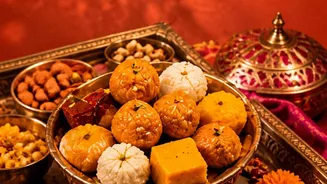
In India, food is at the heart of the social fabric. Festivals, weddings, and family gatherings are incomplete without an elaborate spread of traditional dishes and sweets. From Diwali mithai to Eid biryani, these foods are steeped in cultural and religious significance. Saying 'no' to a dish prepared with love by a family member can feel like you're rejecting not just the food, but the person and the tradition itself. This social pressure adds another layer of difficulty. Sharing a meal is a fundamental way we connect with others. When we give up foods that are central to these social rituals, we risk feeling isolated or out of place, making the decision much harder than a simple dietary choice.