






The Scale of Our Food Waste Problem
India faces a staggering paradox: while millions remain undernourished, the nation wastes nearly 78 million tonnes of food annually. Households are the single largest contributor, with the average Indian home discarding about 55 kilograms of food each
year. This issue is magnified at large gatherings like weddings, where it's estimated that 10 to 20 percent of all food served goes to waste. These aren't just numbers; they represent a massive loss of resources and an environmental burden, as food rotting in landfills releases potent greenhouse gases.
The 'Clean Your Plate' Conditioning
Many of us grew up with the well-intentioned advice to “clean your plate.” This mindset, often rooted in times of scarcity or as a lesson in gratitude, has an unintended consequence in today's world of abundance. It conditions us to ignore our body's natural fullness cues and instead focus on an external rule: the plate must be empty. Psychologists note that this habit can become automatic, compelling us to finish everything served, regardless of the portion size or our actual hunger level. This creates a direct link between the oversized portions common in restaurants and the food we waste.
When 'Automatic' Serving Means More Waste
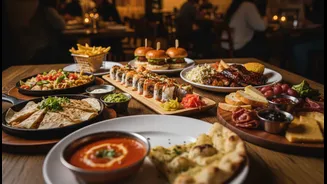
Buffets, pre-set thalis, and combo meals are prime examples of "automatic" serving. The 'all-you-can-eat' model encourages diners to take more than they can consume, leading to significant plate waste. At Indian weddings, sprawling buffets with hundreds of dishes are a status symbol, but this lavishness often leads to overproduction and waste. Even at a la carte restaurants, standardised large portions are designed to offer perceived value but often result in uneaten food. This system removes the diner's ability to choose an appropriate amount from the start, making waste almost inevitable.
Smarter Dining When You're Out
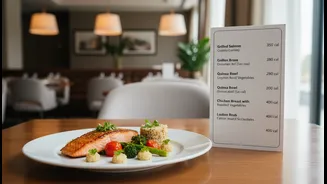
The good news is that a few mindful choices can make a big difference. Many restaurants are now more open to accommodating requests. Don't hesitate to ask for a smaller portion or see if half-portions are available, a practice some establishments are adopting to reduce waste. If you're dining with friends, consider sharing larger dishes. And embrace the 'doggy bag'; taking leftovers home is one of the easiest ways to prevent waste. For buffets, start with a small plate and go back for seconds if you are still hungry. This simple change in habit disrupts the automatic cycle of piling a plate high.
Rethinking Portions at Home
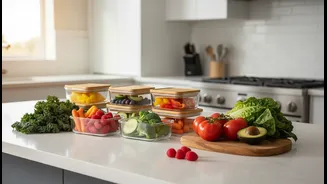
Controlling waste begins in our own kitchens. One of the primary causes of household food waste is miscalculation during meal prep. Instead of cooking on autopilot, try to plan meals and be realistic about how much your family will eat. When serving, use smaller plates; studies show this can trick our brains into feeling satisfied with less food. It's also helpful to serve food in bowls on the table rather than pre-plating in the kitchen. This allows everyone to take only what they need, making it easier to save leftovers for the next day.
A New Approach to Celebrations
Indian weddings are slowly evolving. Planners and hosts are exploring ways to reduce the colossal food waste associated with these events. One effective strategy is replacing vast buffet lines with live cooking stations, where food is made to order or in smaller batches. This not only ensures freshness but also dramatically cuts down on pre-cooked surplus. As a guest, being mindful of your choices helps. At events, ask for smaller servings of multiple dishes rather than large helpings of one or two. Confirming your attendance via RSVP is also crucial, as it helps hosts get an accurate headcount and avoid over-catering.