



The Allure of the DIY Solution
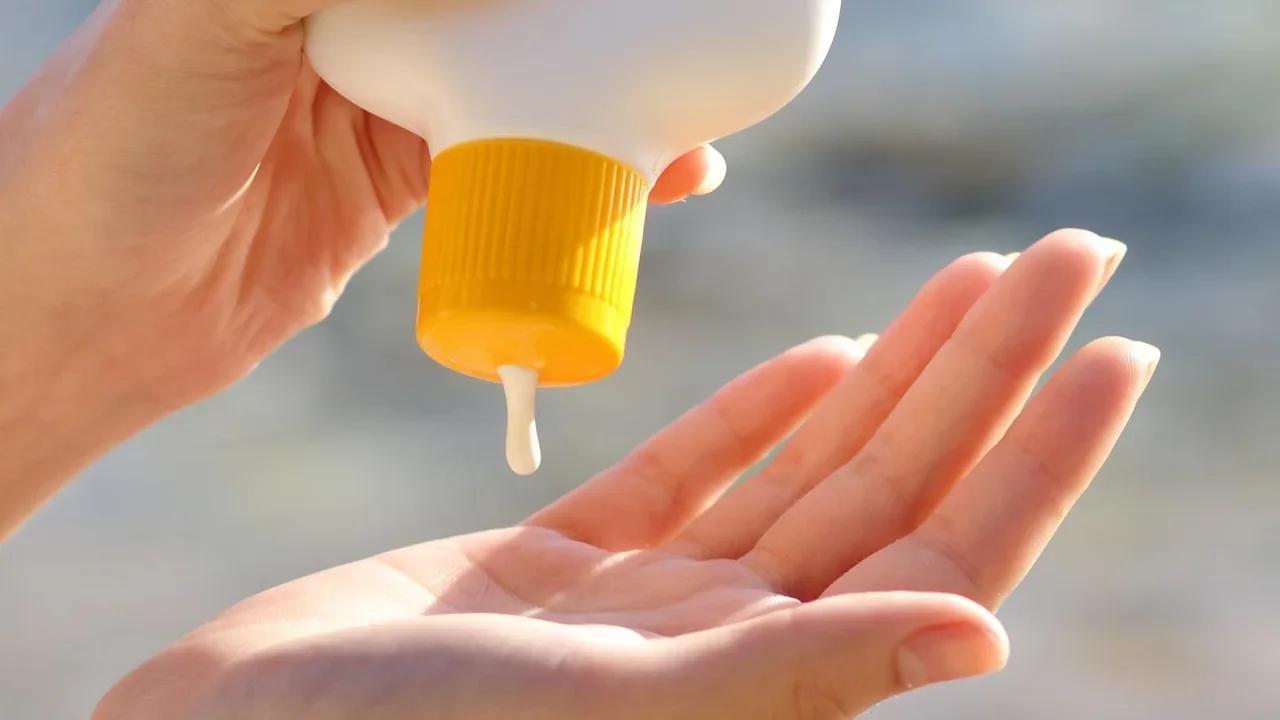
If you have oily skin, you know the struggle. Many commercial sunscreens can feel heavy, greasy, and lead to breakouts. It’s no wonder that the idea of a homemade sunscreen is so appealing. Social media is filled with recipes promising natural ingredients,
a lightweight feel, and control over what you put on your skin. The trend taps into a desire for simpler, cleaner beauty routines and a mistrust of complex chemical labels. For those with reactive or acne-prone skin, making a product from scratch seems like the perfect way to avoid pore-clogging ingredients and irritation. But when it comes to sun protection, safety and efficacy are paramount, and the DIY approach has serious hidden dangers.
The Science of SPF You Can’t Replicate
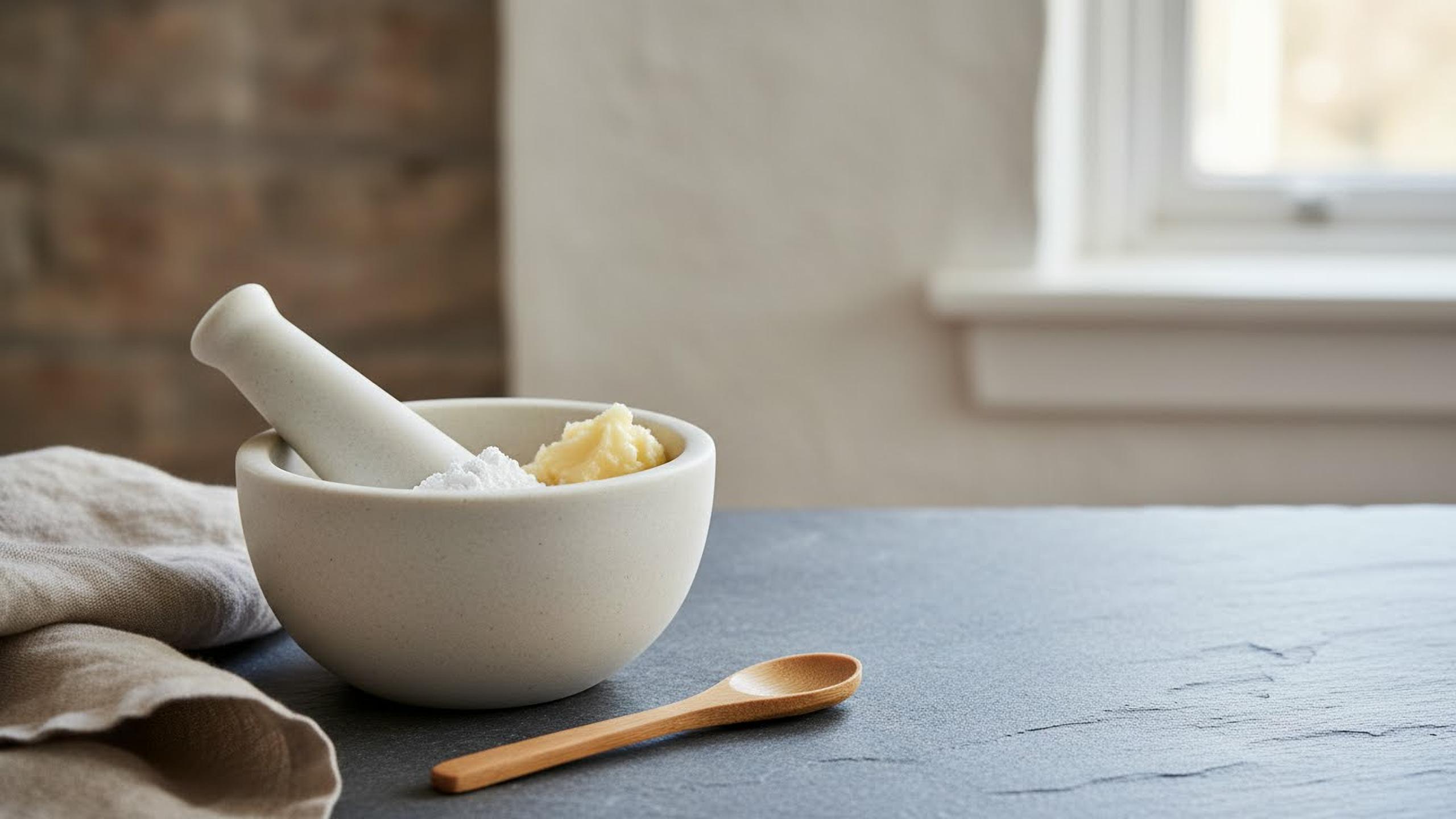
Sun Protection Factor, or SPF, isn't just a number; it's the result of rigorous, standardized testing. In the United States, sunscreens are regulated as over-the-counter drugs by the Food and Drug Administration (FDA). To get an SPF rating, a product must undergo extensive clinical trials on human volunteers. In these tests, scientists measure the amount of UV radiation it takes to cause a sunburn on protected skin compared to unprotected skin. This process is expensive and requires a highly controlled lab environment. Simply mixing a certain percentage of zinc oxide powder into an oil does not guarantee any specific level of protection. The effectiveness is influenced by the entire formulation, not just one ingredient.
The Critical Flaw of Homemade Formulas
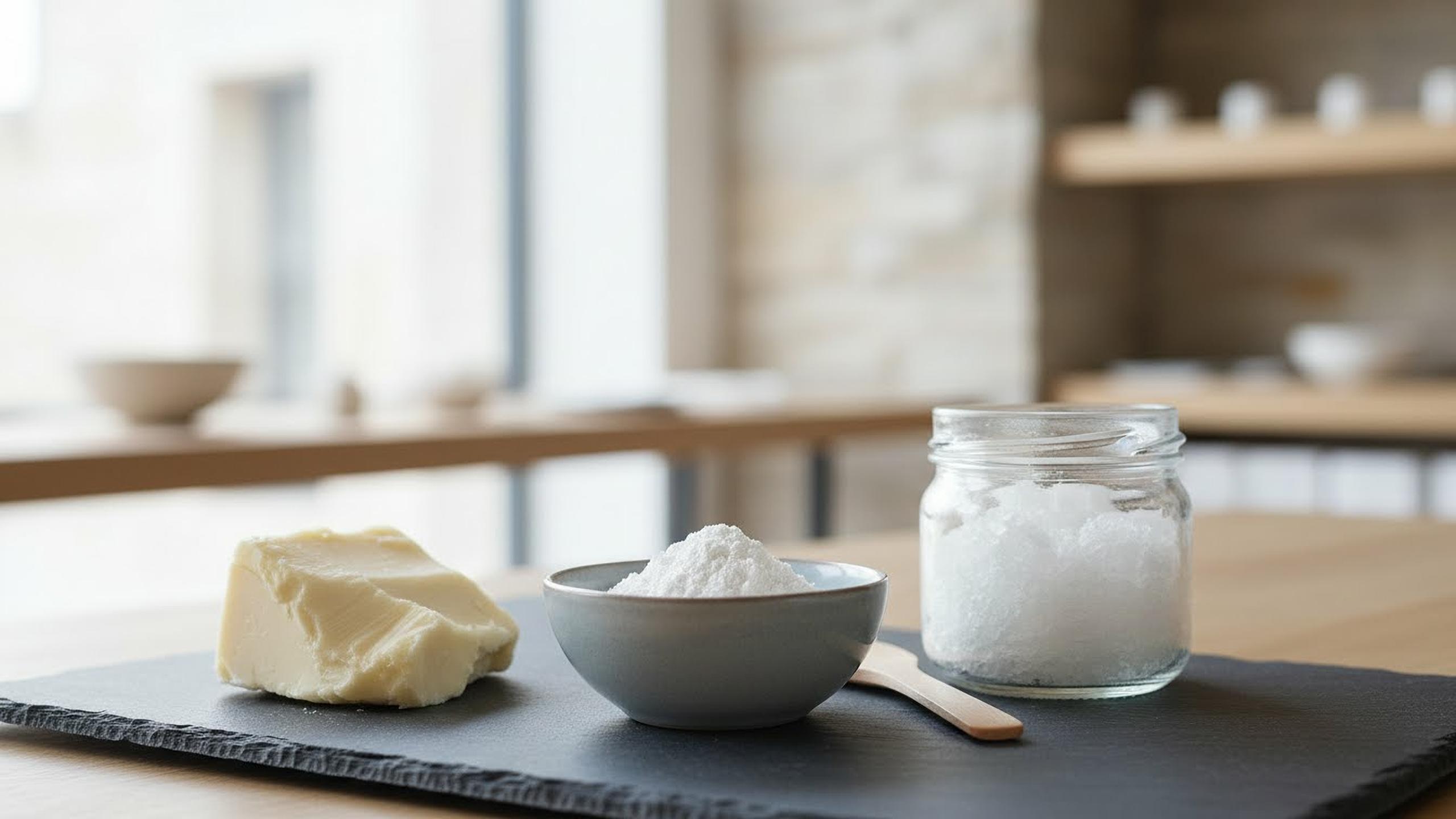
Even if you use a legitimate sun-blocking ingredient like zinc oxide, the biggest challenge in a homemade recipe is creating a stable, even mixture. Without sophisticated lab equipment and stabilizing agents, the mineral particles will not stay suspended evenly throughout the base oil or lotion. This creates an unstable product where the protective particles clump together, leaving other areas of your skin completely exposed to harmful UV rays. You might apply your homemade concoction feeling protected, but in reality, you could have patches of skin with an effective SPF of zero, putting you at significant risk for sunburn, premature aging, and skin cancer. Dermatologists warn that this false sense of security is one of the greatest risks of DIY sunscreen.
Can Natural Oils Protect You?
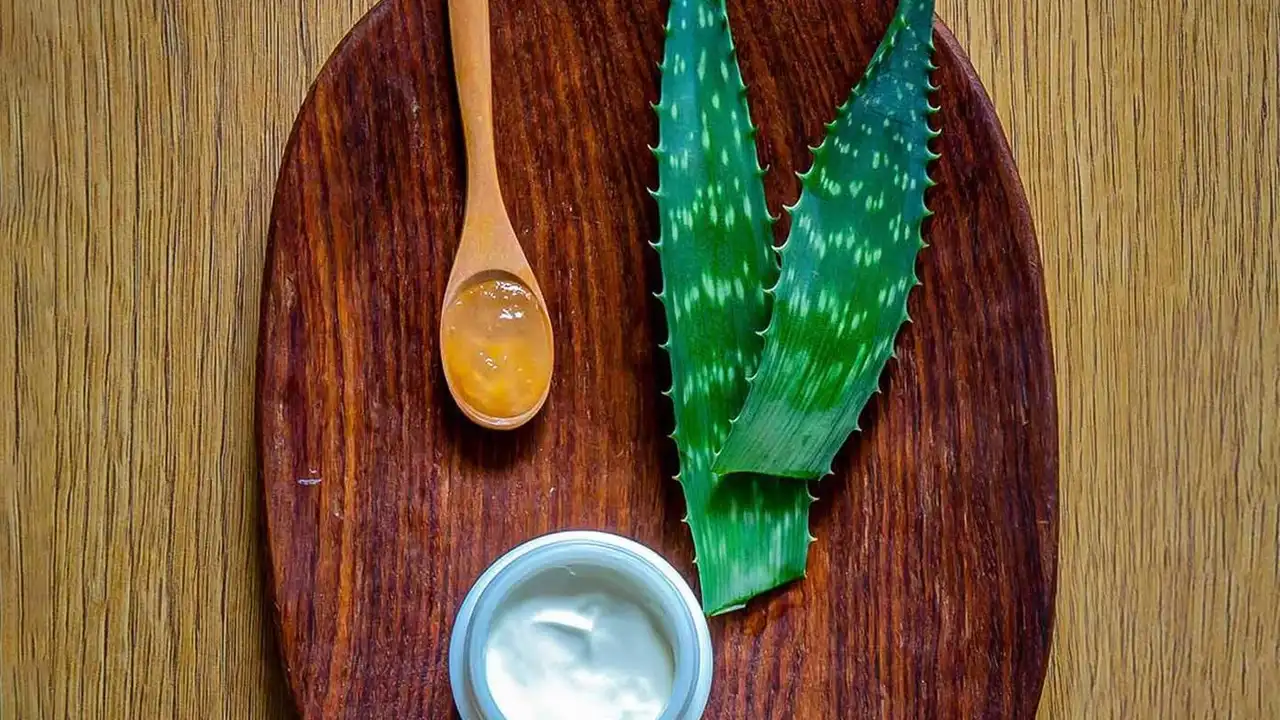
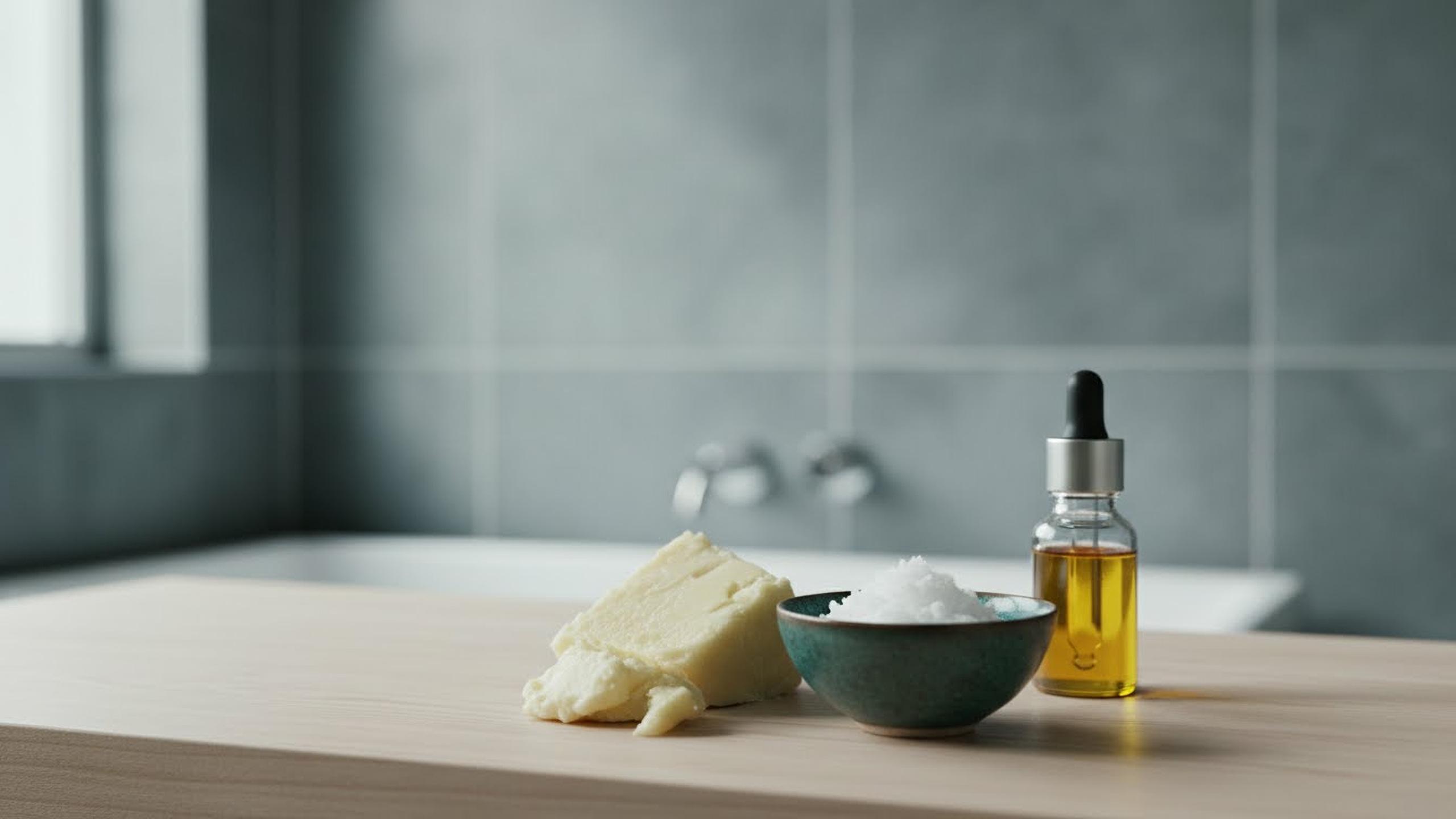
Many online recipes suggest that certain natural oils, like raspberry seed oil or coconut oil, have inherent sun-protective qualities. This is a dangerous misconception. While some studies have suggested these oils may offer a minimal SPF, the levels are incredibly low and unreliable—often between SPF 1 and 8. This is far below the minimum SPF 30 recommended by the American Academy of Dermatology. These oils do not provide broad-spectrum protection, meaning they don't adequately shield you from both UVA (aging) and UVB (burning) rays. Relying on them for sun protection is ineffective and harmful.
Better Choices for Oily Skin
The good news is that the beauty industry has made huge strides in creating sunscreens that are perfect for oily and acne-prone skin. Instead of turning to a risky DIY project, you can find many cosmetically elegant and effective options. Look for products labeled as "oil-free," "non-comedogenic" (meaning they won't clog pores), and "lightweight." Gel formulas, fluid lotions, and mineral sunscreens with a matte finish are often excellent choices. Ingredients like niacinamide can help control oil production, while mineral blockers like zinc oxide and titanium dioxide can provide gentle, effective protection without a greasy feel. Many modern formulas, such as La Roche-Posay Anthelios or EltaMD UV Clear, are dermatologist-recommended for being both protective and comfortable for daily use.