

The Champion of Millets
Perhaps no food group is more closely associated with PM Modi's public advocacy than millets. He has consistently championed these ancient grains, such as jowar, bajra, and ragi, as 'Shree Anna' or the 'mother of all grains'. His government was instrumental
in the United Nations declaring 2023 as the 'International Year of Millets', a move to raise global awareness about their nutritional benefits and resilience to climate change. Millets are praised for being gluten-free, high in fibre, and packed with essential nutrients that help manage blood sugar and improve digestion. By promoting millets on international platforms and even serving them at official banquets, PM Modi has linked their revival to India's agricultural heritage and future food security.
The Comfort of Khichdi
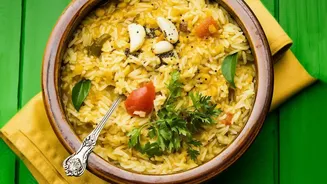
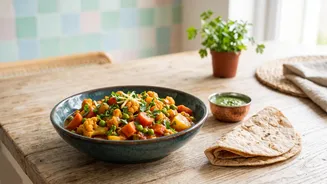
Khichdi is a dish PM Modi has reportedly cherished for years. This simple, one-pot meal of rice and lentils is a cornerstone of Indian home cooking, known for being light, nutritious, and easy to digest. Reports suggest he particularly enjoys a simple Gujarati-style khichdi, sometimes made with millets instead of rice. His affection for the dish is well-known; there's even an anecdote from his time as a party official in Himachal Pradesh where he taught a local party worker's wife how to prepare the perfect Sabudana Khichdi during Navratri. This association with such a humble and wholesome meal reinforces his image of simplicity and adherence to traditional Indian food culture.
The Power-Packed Moringa Paratha
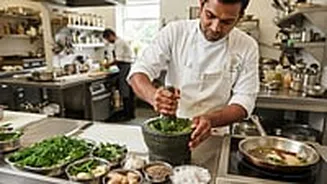
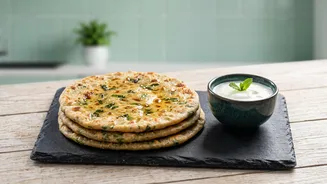
PM Modi has personally mentioned his fondness for parathas made from moringa, or drumstick leaves. He has spoken about eating them regularly to boost his immune system. Moringa is considered a superfood in Ayurveda and modern nutrition, rich in vitamins A and C, iron, calcium, and antioxidants. These nutrient-dense leaves are known to have anti-inflammatory properties, help maintain healthy blood pressure, and support overall vitality. The choice of a moringa paratha is a perfect example of his diet's philosophy: taking a traditional, everyday food like a paratha and enhancing its nutritional value with a powerful, indigenous ingredient.
The Not-So-Forbidden Black Rice
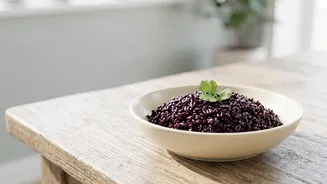
PM Modi has also brought attention to black rice, calling it a 'superfood' with significant medicinal value. Primarily grown in India's northeastern states like Manipur, this rice variety gets its deep colour from anthocyanins, the same powerful antioxidants found in blueberries. Manipur's black rice, known as Chak-Hao, has even earned a Geographical Indication (GI) tag. Black rice is celebrated for its potential to lower the risk of diabetes, protect heart health, and reduce inflammation. By highlighting its benefits, the Prime Minister has helped boost its popularity and empower the farmers who cultivate this unique grain.
A Simple, Disciplined Plate
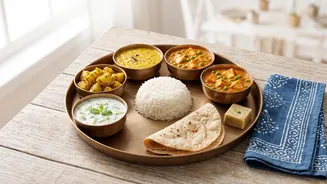
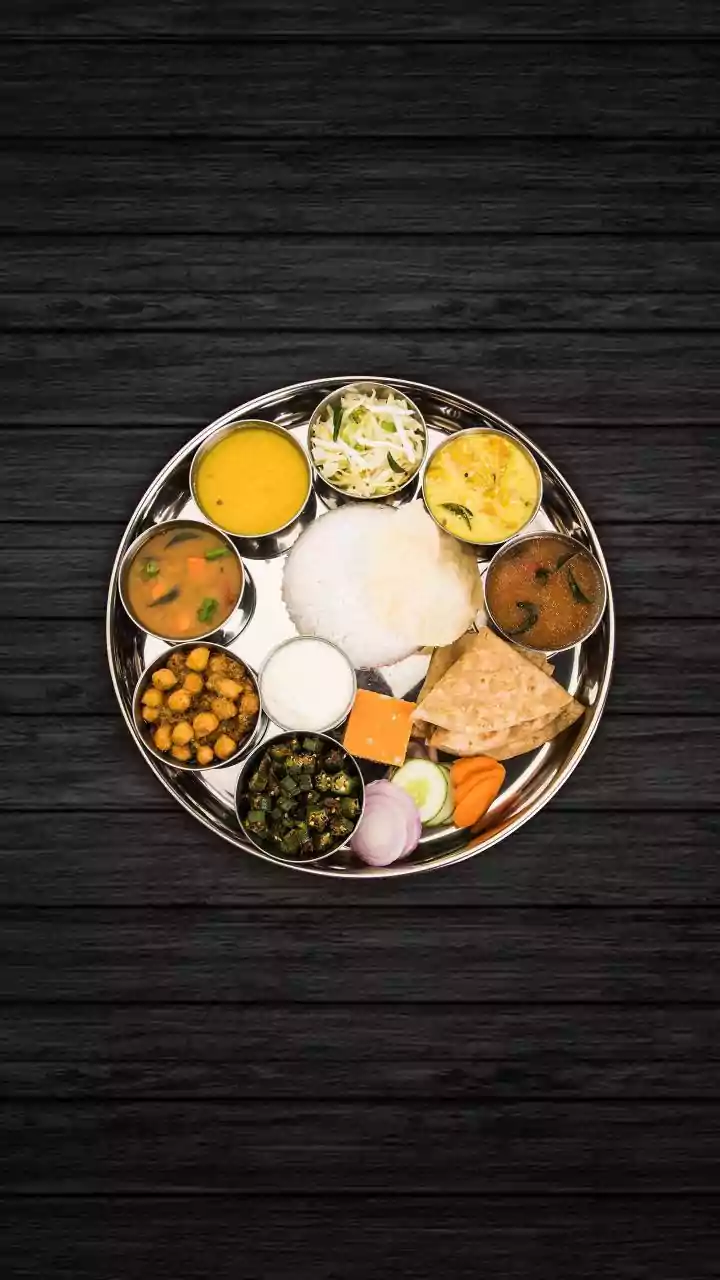
Beyond these specific dishes, PM Modi's diet is characterized by vegetarianism, simplicity, and discipline. He reportedly prefers light, home-cooked meals and incorporates fasting into his routine, especially during Navratri, when he is known to consume only warm water. His meals often include seasonal vegetables, dal, and rotis. Other simple Gujarati snacks like dhokla are also said to be among his preferences for their light and nutritious qualities. This approach to food—valuing simplicity, tradition, and nutritional wisdom—is consistent with the broader message of wellness and discipline he often communicates.