






Your Body’s Early Warning System
On days when the air quality is poor, your body is the first to know. The initial signs are often subtle but shouldn't be ignored. You might experience a scratchy or sore throat, itchy or watery eyes, a runny nose, and headaches. These symptoms are your body's
immediate inflammatory response to inhaling pollutants like fine particulate matter (PM2.5) and gases. Think of these as early warnings. They indicate that you are being exposed to harmful substances and that the level of pollution is high enough to irritate your respiratory system and eyes. Even if you feel generally healthy, experiencing these symptoms means the air is affecting you.
When Discomfort Becomes a Red Flag
Sometimes, mild discomfort can escalate into more serious signs of breathing difficulty. Pay close attention to symptoms like a persistent cough, wheezing, shortness of breath even at rest, and a feeling of tightness or pain in your chest. These are red flags indicating that your lungs are struggling significantly. For people with pre-existing conditions like asthma or chronic obstructive pulmonary disease (COPD), poor air quality can trigger severe flare-ups. However, even those without chronic illness can experience these more acute symptoms. If you find your breathing is laboured or it interferes with daily activities, it's a clear sign that your body is under considerable stress from pollution.
What Symptoms Say About Your Mask
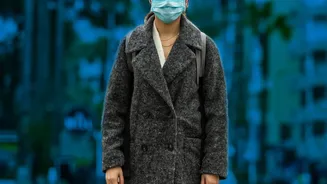
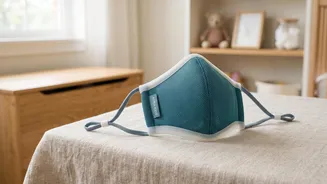
If you are wearing a mask and still experiencing symptoms, it's a crucial piece of feedback. It might mean your mask isn't providing adequate protection. The effectiveness of a mask depends on two things: its filtration ability and its fit. Simple cloth masks and loose-fitting surgical masks offer very limited protection against tiny PM2.5 particles. If you have a cough or sore throat despite wearing one, it's likely that polluted air is leaking in through gaps around the edges. For meaningful protection against pollution, experts recommend a well-fitted N95 or KN95 mask, which are designed to filter at least 95% of airborne particles. If you wear an N95 and still feel symptoms, check the fit. There should be no gaps around your nose, cheeks, or chin. Even with the right mask, symptoms can mean the pollution is so severe that you should limit your time outdoors altogether.
Indoor Protection and Its Limits
Feeling symptoms indoors is also a warning. While staying inside is a primary defence on high-pollution days, indoor air can be polluted too. Pollutants can seep in from outside, and indoor sources like cooking fumes, dust, and chemicals can contribute to the problem. If you're experiencing headaches, fatigue, or respiratory irritation at home, it may signal that your indoor air quality needs attention. Running an air purifier with a True HEPA filter can significantly reduce indoor particulate matter. However, if symptoms persist, it's a sign that your home may not be sealed well enough or that the purifier isn't sufficient for the size of your space or the severity of the outdoor pollution.
Long-Term Risks of Ignoring the Signs
Treating pollution-related symptoms as a minor nuisance is a mistake. Chronic exposure to air pollution, even at levels that cause only mild symptoms initially, is linked to serious long-term health problems. Regularly ignoring a 'pollution cough' or chest tightness can contribute to the development of chronic conditions over time, including severe asthma, COPD, heart disease, stroke, and even lung cancer. Children, the elderly, pregnant women, and individuals with existing health conditions are particularly vulnerable. The symptoms you feel today are indicators of an ongoing battle within your body, and repeated exposure can lead to permanent damage.
When to Seek Medical Advice
It is crucial to know when to consult a doctor. If you experience persistent coughing or wheezing, shortness of breath that interferes with your daily life, or chest pain, seek medical help. Other serious warning signs that require immediate attention include confusion, difficulty staying awake, or blue-tinged lips or fingertips, which can indicate low oxygen levels. A doctor can assess your lung function, rule out infections, and provide guidance for managing your symptoms, especially if you have a pre-existing condition. Don't wait for symptoms to become severe; early evaluation can prevent serious complications.