


A Record in a Worrying Trend
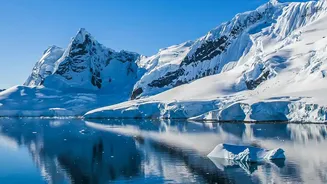
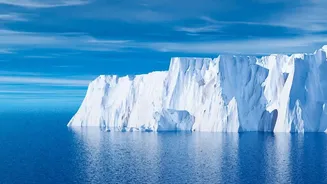
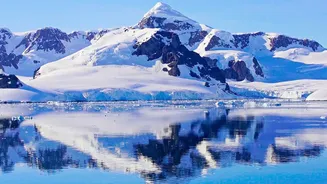
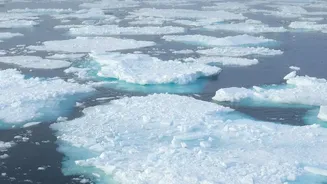
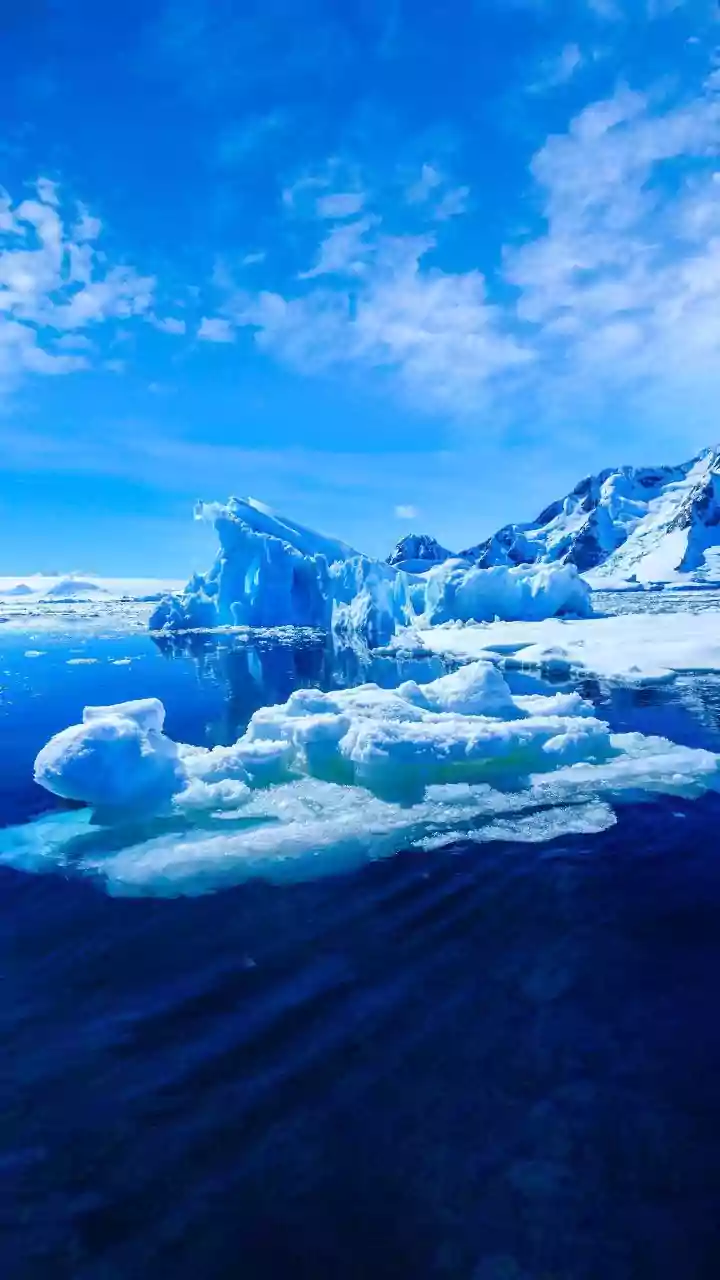
Scientists at the National Snow and Ice Data Center (NSIDC) confirmed the new record in late September 2026. At its peak for the winter, the sea ice surrounding Antarctica covered 17.59 million square kilometres on September 14. While that number sounds
vast, it is a staggering one million square kilometres below the long-term average—an area roughly twice the size of Spain. Perhaps more concerning is the pattern this record falls into: the four lowest winter sea-ice maximums in the 48-year satellite record have all occurred in the last four years. This string of record-low years suggests a significant change is underway. As one expert from Monash University stated, this is no longer a one-off event.
A Continent of Surprising Change
For decades, Antarctica’s sea ice has been a puzzle for climate scientists. While Arctic sea ice has been in a clear, steep decline for years, the Antarctic story was different. Its sea ice levels were relatively stable, and in some years, even showed slight growth. This made the continent appear somewhat resilient to the warming trends seen elsewhere. However, since 2016, that stability has shattered. The continent has seen a series of record-lows in both its summer minimum and winter maximum ice cover, raising fears that a fundamental shift has occurred. Scientists are now urgently working to understand if this is a new, persistent state for the Southern Ocean's climate system.
What's Causing the Drastic Loss?
There isn't one simple answer, but a combination of factors appears to be at play. Warmer ocean water is a primary suspect. Scientists theorise that heat from deeper ocean layers is now mixing with the surface water where ice typically forms, making it harder for the ice to grow and stick around. Changing atmospheric conditions, including stronger winds and storm systems, are also contributing. The presence of an El Niño weather pattern in the Pacific has likely played a role in reducing ice in some regions, like the Amundsen Sea. However, many experts believe that even without El Niño, the ice would still be in a similar low state, pointing to the overwhelming influence of warmer water as the dominant force.
Why This Distant Record Matters to India
The fate of a frozen continent thousands of kilometres away can feel abstract, but its health is directly linked to our own climate and coastlines. Sea ice acts as a planetary air conditioner. Its bright, white surface reflects the sun's energy back into space, a phenomenon known as the albedo effect. When sea ice vanishes, it exposes the dark ocean water beneath, which absorbs solar heat instead of reflecting it. This creates a feedback loop, warming the ocean and causing even more ice to melt. More importantly, sea ice acts as a protective barrier for Antarctica's massive land-based ice sheets. Without this buffer, these colossal glaciers are more exposed to erosion from ocean waves and warming waters. The West Antarctic ice sheet alone contains enough frozen water to raise global sea levels by several metres if it were to collapse, a catastrophic scenario for India’s extensive and densely populated coastlines.
An Unpredictable Future
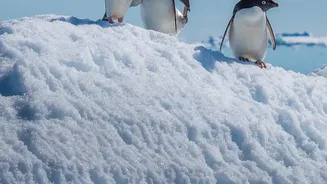
The consecutive years of record-low sea ice have put the scientific community on high alert. The rapid changes are also impacting Antarctica's unique ecosystem. Krill, the tiny crustaceans that form the base of the Antarctic food web, rely on sea ice for their life cycle, as do the penguins and whales that feed on them. While researchers are still working to determine the full sensitivity of the global climate to this loss of Antarctic sea ice, the trend is clear and worrying. The record-breaking measurements are not just data points on a chart; they are distress signals from a critical component of Earth’s climate system, indicating that a region once thought to be stable is now responding dramatically to a warming world.