



The Science Behind the Sensation
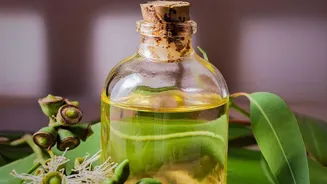
That beautiful scent comes from highly concentrated plant compounds. An essential oil isn't a single ingredient but a complex cocktail of volatile molecules. While these give an oil its signature fragrance, they are also a common source of skin reactions.
There are two main ways your skin can react. The first is irritant contact dermatitis, which is a direct chemical irritation that can cause stinging, burning, or redness. This isn't an allergy and can happen to anyone if the oil is too concentrated. The second is allergic contact dermatitis, which is a true immune system response. This reaction is delayed, meaning it might not show up for 12 to 72 hours after you've used the oil. Once your body becomes sensitized to a particular compound, even a tiny amount can trigger an itchy, red rash in the future.
Common Culprits to Watch For
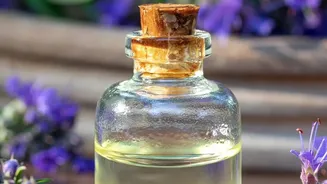
While any essential oil can potentially cause a reaction, some are more frequently linked to skin sensitivity. It’s often the oils we love for their potent scents that pose a higher risk. Lavender and tea tree oil, for example, are common culprits. Tea tree oil is often applied undiluted to blemishes, which can easily lead to irritation. Lavender contains linalool, a well-known fragrance allergen, especially as the oil ages and oxidizes. Other oils on the watch list include those with spicy or minty profiles like cinnamon, clove, peppermint, and ylang-ylang. These contain potent compounds such as cinnamal and eugenol that are known sensitizers.
The Hidden Danger of Sunlight
One of the most serious risks associated with certain essential oils is phototoxicity. This is a chemical reaction that occurs when specific compounds, called furanocoumarins, are applied to the skin and then exposed to ultraviolet (UV) light from the sun or tanning beds. The result can be a severe, painful reaction that resembles a bad sunburn, sometimes with blistering and long-lasting dark spots or discoloration. The primary offenders are cold-pressed citrus oils, including bergamot, lemon, lime, and grapefruit. To be safe, you should avoid applying these oils to skin that will be exposed to the sun for at least 12 to 24 hours. Opting for steam-distilled citrus oils can reduce this risk, as the process removes most of the phototoxic compounds.
Your Guide to Safer Application
Enjoying the benefits of essential oils without the unwanted side effects comes down to a few simple rules. First and foremost, never apply an essential oil directly to your skin from the bottle. They are far too concentrated. Always dilute them with a carrier oil—like jojoba, coconut, or almond oil—which helps deliver the essential oil safely to your skin. A good starting point for adults is a 1-2% dilution, which translates to about 1-2 drops of essential oil per teaspoon of carrier oil. Before using a new oil blend, always perform a patch test. Apply a small amount of the diluted oil to a discreet patch of skin, like your inner forearm. Cover it with a bandage and wait at least 24 hours to see if any redness, itching, or irritation develops. If your skin reacts, wash the area with soap and water and avoid using that oil. Finally, be mindful of where you apply them, avoiding sensitive areas like the skin around your eyes or on broken skin.