






The Two Critical Arteries of Oil
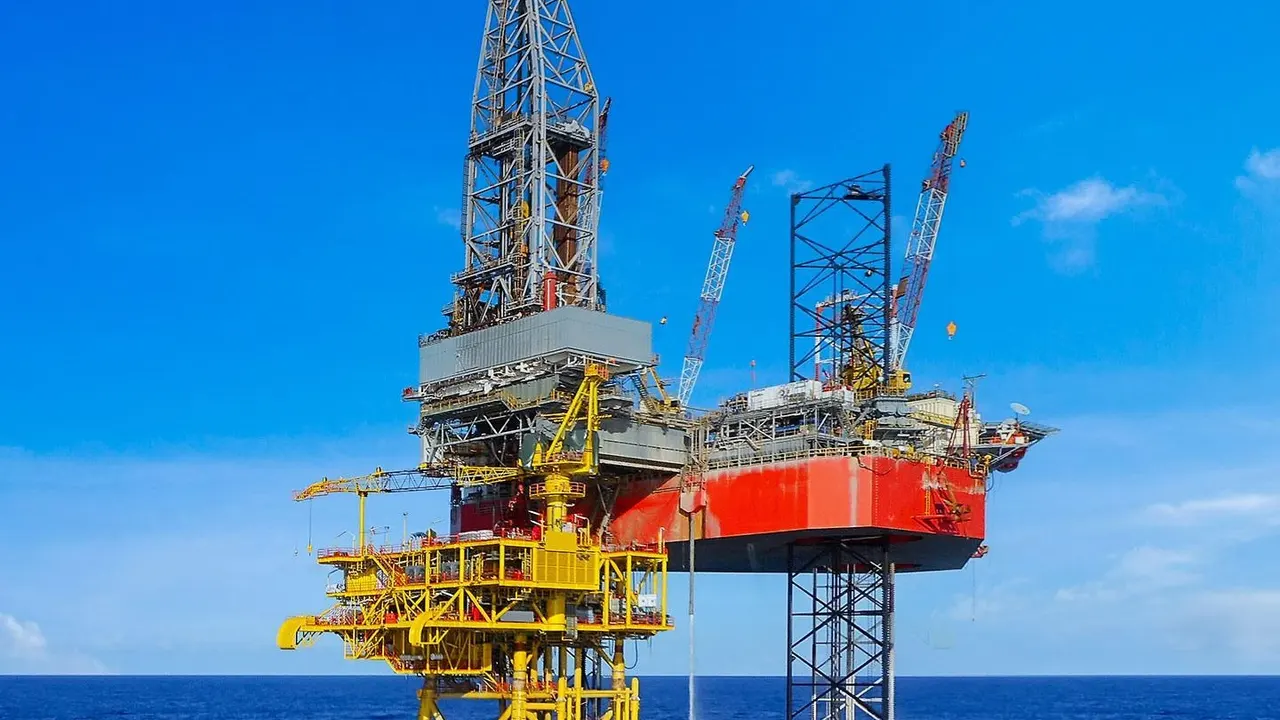
The world's energy supply relies on a few narrow maritime passages known as chokepoints. For India, two are paramount: the Strait of Hormuz and the Strait of Malacca. The Strait of Hormuz, a narrow channel between Iran and Oman, is the world's most important
oil transit point. Approximately a quarter of the globe's oil supply passes through it, originating from major producers in the Persian Gulf. The second is the Strait of Malacca, situated between Indonesia, Malaysia, and Singapore. It is the shortest sea route between the Indian and Pacific Oceans, making it one of the busiest shipping lanes globally. A significant portion of the oil heading to major Asian economies, including some of India's own diversified supplies, must navigate this passage.
India's Deep Dependence
India is the world's third-largest oil consumer and imports over 88% of its crude oil requirements. A substantial volume of these imports navigates these two chokepoints. Around 50% of India's crude oil imports and a staggering 90% of its liquefied petroleum gas (LPG) imports pass through the Strait of Hormuz alone. While India has made significant strides in diversifying its sources of crude oil, purchasing from more than 40 countries, this does not eliminate route dependency. Even oil from Russia or suppliers in the Americas may need to pass through the Strait of Malacca to reach Indian refineries efficiently, creating a complex web of vulnerability.
The 'Worst-Case' Disruption Model
The headline's scenario is based on a 'dual-threat' model where both the Strait of Hormuz and another key route, such as the Bab el-Mandeb Strait in the Red Sea, face simultaneous disruption. Geopolitical conflict is the most likely trigger. For instance, tensions in the Persian Gulf could lead to the closure of Hormuz, while related or separate instability could see attacks on shipping in the Red Sea, effectively shutting down the Suez Canal route. This would create a logistical nightmare, as rerouting ships is not a simple fix. Tankers would be forced to take much longer voyages, such as around the Cape of Good Hope, drastically increasing transit times and fuel costs. This reduces the availability of tankers and tightens global supply even if production remains stable.
How Disruption Ignites a Price Fire
In such a scenario, the market reaction would be swift and severe. With two major arteries clogged, the competition for available oil cargoes and tankers would become a frantic bidding war. Marine insurance premiums for any vessels near the affected areas would skyrocket, adding another layer of cost. A recent report from CareEdge Ratings specifically projects that a simultaneous closure of these chokepoints could drive Brent crude prices into the $130-$135 per barrel range. This is not just a speculative jump; it is based on the economic principle of a massive supply shock hitting a market with relatively inelastic demand, forcing prices to rise to a level that destroys enough demand to match the restricted supply.
The Ripple Effect Across the Indian Economy
For India, an oil price shock of this magnitude would be devastating. The immediate effect would be felt at the petrol pump, but the secondary impacts would be far-reaching. Higher transport costs would drive up the prices of nearly all goods, feeding directly into headline inflation. The nation's import bill would swell, widening the current account deficit and putting immense pressure on the rupee. Industries from manufacturing to agriculture would face higher input and energy costs, potentially squeezing margins and slowing growth. The government would face a difficult choice: absorb the price rise through subsidies, straining the fiscal deficit, or pass it on to consumers, risking a slowdown in consumption and economic activity.