




A Catastrophe in Minutes
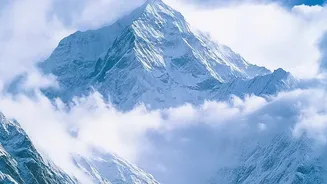
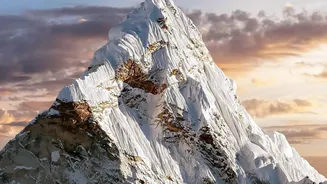
On August 26, 2026, a huge mass of rock and glacial ice broke away from a mountain slope high in the Himalayas near the Nepal-China border. It triggered a catastrophic flow of water, mud, and debris that surged down river valleys at immense speed, wiping
out homes, roads, bridges, and critical hydropower plants. The event was so powerful it registered as a 5.2 magnitude seismic event, initially mistaken for an earthquake. In the aftermath, over a thousand people were confirmed dead with thousands more missing, highlighting the extreme vulnerability of communities living downstream. While initial reports pointed to a Glacial Lake Outburst Flood (GLOF), scientists now believe the trigger was a massive ice-rock avalanche, a different but equally terrifying Himalayan hazard.
The Science of Unstable Slopes
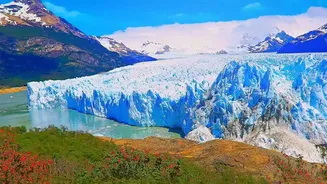
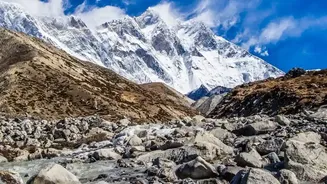
So, what is making the ‘roof of the world’ so dangerous? The primary driver is climate change. The Hindu Kush Himalayan region is warming at a rate nearly double the global average. This accelerated warming is causing glaciers to retreat and thin at an alarming pace, with studies showing ice loss has doubled since the year 2000. As glaciers shrink, they leave behind vast, unstable lakes dammed by loose rock and debris, known as moraines. These are the infamous GLOFs waiting to happen. However, the warming also destabilises the very ground the glaciers sit on. Permafrost—permanently frozen ground—begins to thaw, weakening mountain slopes and making massive rock and ice avalanches, like the one that struck Nepal, more likely. This creates a cascade of hazards where a single collapse can trigger a deadly flood miles downstream.
A Shared Himalayan Threat
The disaster in Nepal is not an isolated incident; it is a grave warning for India. The rivers that carried the devastating floodwaters, the Bhote Koshi and Trishuli, eventually flow into India as the Gandak. Natural hazards do not respect international borders. Indian states like Uttarakhand, Himachal Pradesh, and Sikkim share the exact same fragile geology and are exposed to identical risks. Scientists warn that there could be around 900 unstable glaciers across the Indian Himalayas, many of which are not comprehensively mapped or monitored. The 2021 Chamoli disaster in Uttarakhand was a chilling precursor, also triggered by a rock and ice avalanche. With increasing infrastructure development, pilgrimage routes, and population density in these regions, the potential for catastrophic loss of life and property is immense.
Racing Against a Melting Clock
Addressing this transnational crisis requires a shift from reactive emergency aid to proactive, shared resilience. Experts are calling for India and Nepal, along with China, to establish a permanent, trilateral mechanism for sharing real-time hydro-meteorological data. This includes monitoring river levels, glacial lake conditions, and snowpack, which could provide crucial, life-saving minutes or hours for downstream communities to evacuate. There is also a growing push to reassess infrastructure standards, ensuring that roads, bridges, and hydropower projects are built to withstand the 'new normal' of more frequent and intense mountain hazards. Ultimately, since these disasters are driven by a global climate crisis, affected nations like Nepal and India are also jointly advocating for international support through mechanisms like the Loss and Damage Fund.