

The Return to Our Roots
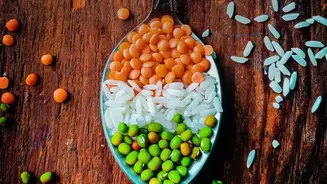
For generations, Indian diets were diverse, featuring a wide array of millets and grains. However, with the dominance of polished rice and refined wheat, many of these nutrient-dense foods took a backseat. Today, there's a growing movement to bring them
back into our kitchens. Traditional grains like jowar, bajra, and ragi are naturally gluten-free, rich in fibre, and packed with essential minerals like iron and calcium. Incorporating them into your weekly meals is more than a health trend; it's a delicious way to reconnect with the country's rich agricultural and culinary diversity.
Jowar (Sorghum): The Deccan Staple
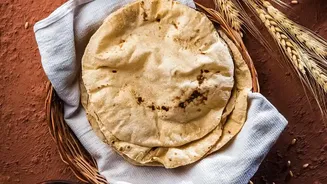
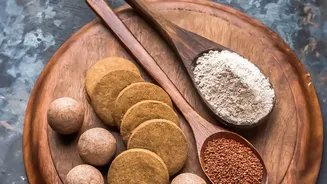
Jowar, or sorghum, is a staple in the Deccan plateau, particularly in Maharashtra and Karnataka. Known for being light on the stomach and rich in fibre, it's an excellent grain for managing blood sugar levels. The most famous dish is the Jowar Bhakri, a simple, unleavened flatbread. This rustic bread is traditionally patted out by hand and cooked on a hot tawa. It pairs perfectly with hearty vegetable curries, spicy thecha (chilli chutney), or Pithla, a savoury gram flour curry. For a quick breakfast, you can also make Jowar Dosa or a savory pancake called Dhirde.
Bajra (Pearl Millet): Rajasthan's Winter Warmer
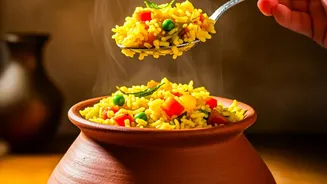
Bajra is the grain of choice in the arid regions of Rajasthan and Gujarat, especially during winter, as it's known to keep the body warm. It has an earthy, nutty flavour and is dense in iron and magnesium. The quintessential Rajasthani meal often features Bajre ki Roti, a thick flatbread typically served with a dollop of ghee and a piece of jaggery. Another beloved preparation is Bajra Khichdi, a wholesome one-pot meal made with pearl millet and lentils, often tempered with cumin and ghee. Unlike rice khichdi, this version is heartier and has a delightfully chewy texture.
Ragi (Finger Millet): The Southern Superfood
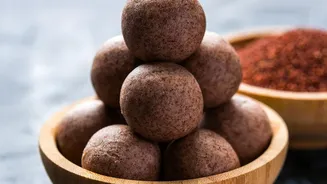
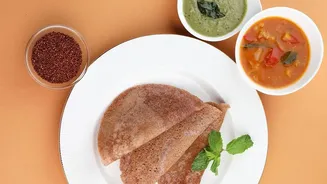
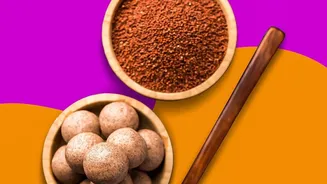
Hailing from South India, ragi is a nutritional powerhouse celebrated for its incredibly high calcium content, making it excellent for bone health. In Karnataka, Ragi Mudde are soft, steamed balls of finger millet flour, traditionally swallowed (not chewed) with a flavourful sambar or soupy curry. Its neutral taste makes it incredibly versatile. You can make soft Ragi Idlis, crispy Ragi Dosas, or even a sweet porridge. A simple Ragi Malt, made by cooking the flour with water or milk and sweetening with jaggery, is a comforting and energising drink for all ages.
Foxtail Millet (Kangni): The Versatile Rice Swap
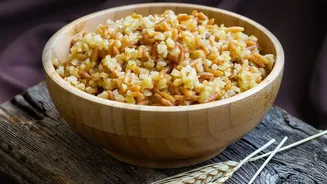
Foxtail millet, known as Kangni in Hindi and Thinai in Tamil, is one of the oldest cultivated millets. It's light, easy to digest, and has a low glycemic index, making it a fantastic substitute for rice. You can cook it just like rice and serve it with dal or curries. It works wonderfully in dishes like Upma, Pulao, and Pongal. For a comforting meal, a simple Foxtail Millet Khichdi cooked with moong dal is both healthy and satisfying. Its mild, slightly nutty flavour adapts well to any recipe, making it one of the easiest millets to introduce into your weekly plan.
How to Start Your Millet Journey
Bringing these grains into your kitchen doesn't have to be overwhelming. Start small. Begin by replacing one rice or wheat meal per week with a millet-based dish. For instance, try making bajra khichdi for dinner one night or swapping your usual breakfast with ragi porridge. Mixing millet flour with your regular wheat atta for rotis is another easy way to start. Many local stores and online retailers now offer a variety of millet flours, flakes, and whole grains, making them more accessible than ever. Keep it simple and choose recipes that excite you.