


The Arena: Park vs. Paddle
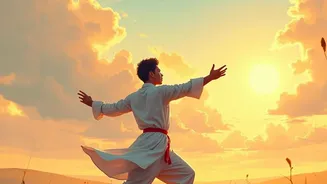
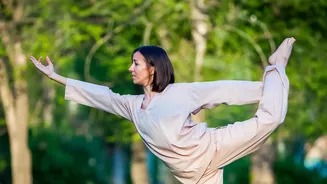
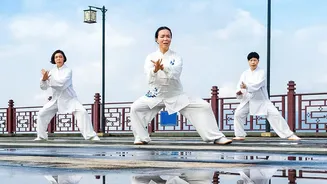
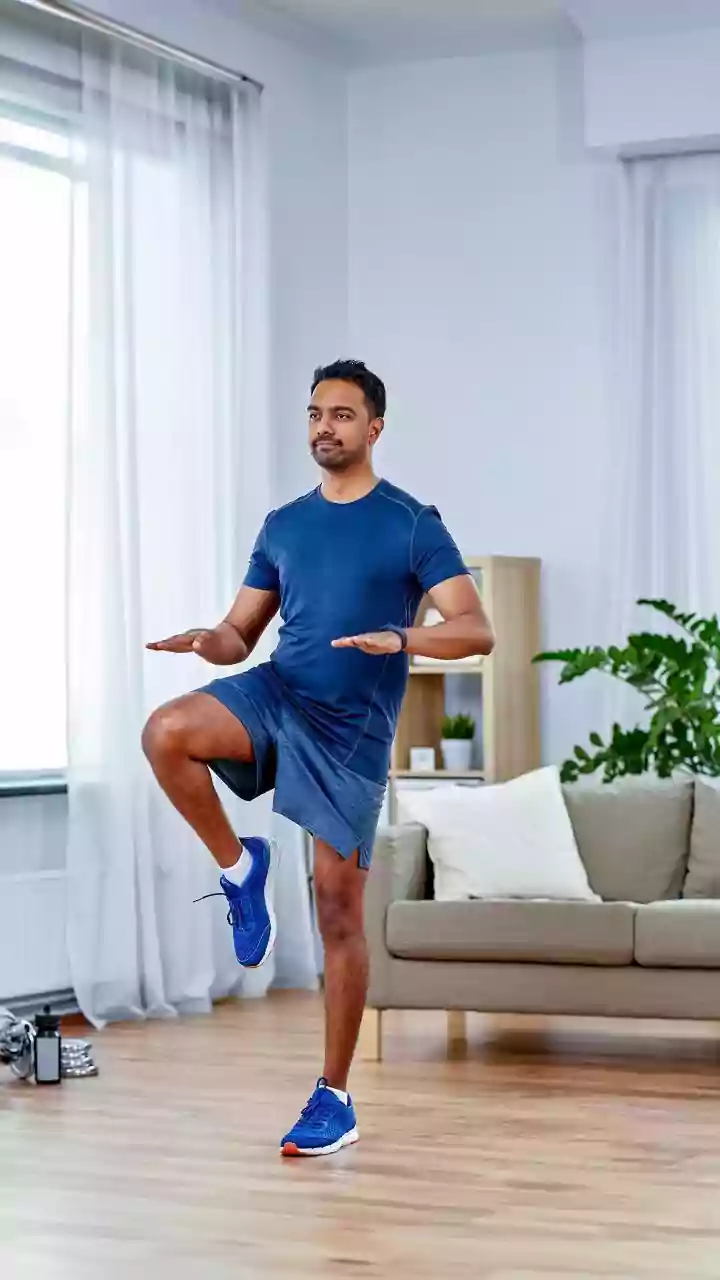
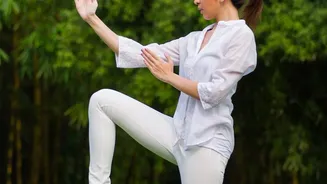
The most fundamental difference lies in where you practice. Tai Chi is remarkably portable; it can be done in a park, a living room, or a community centre. Its accessibility is a major advantage, requiring no specific landscape—only a small patch of flat
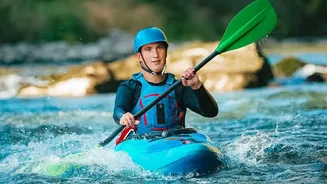
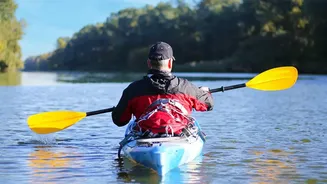
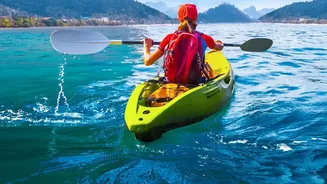
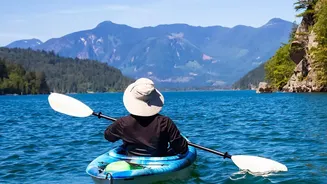
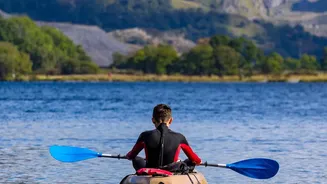
ground. This makes it an easy habit to maintain, regardless of weather or location. Kayaking, by contrast, is an activity defined by its environment. It requires a body of water, be it a calm lake, a flowing river, or the open sea. This dependency is both its greatest limitation and its biggest draw. While you can't just decide to kayak in your garden, the experience offers an immersive connection with nature, providing access to scenes of tranquility and adventure that are unreachable on foot. The rhythmic paddling and glide across the water offer a unique sense of freedom and exploration.
The Gear: Simplicity vs. Adventure Kit
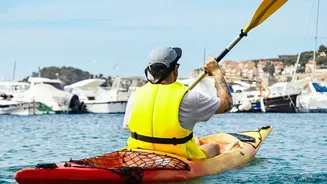
The headline highlights a key distinction: the equipment. Tai Chi is the epitome of minimalism. All you truly need are comfortable, loose-fitting clothes and flat-soled shoes. There are no significant upfront costs or logistical challenges, making it one of the most financially accessible activities available. Kayaking sits at the other end of the spectrum. The essential gear list includes the kayak itself, a paddle, and a personal flotation device (PFD), or life jacket. Depending on the conditions, you might also need a spray skirt, a bilge pump, a dry bag for your belongings, and appropriate water-resistant clothing. Transporting and storing a kayak can also be a consideration. While renting is an option for beginners, committing to the hobby involves a notable investment in gear.
The Physical Payoff: Flow vs. Force
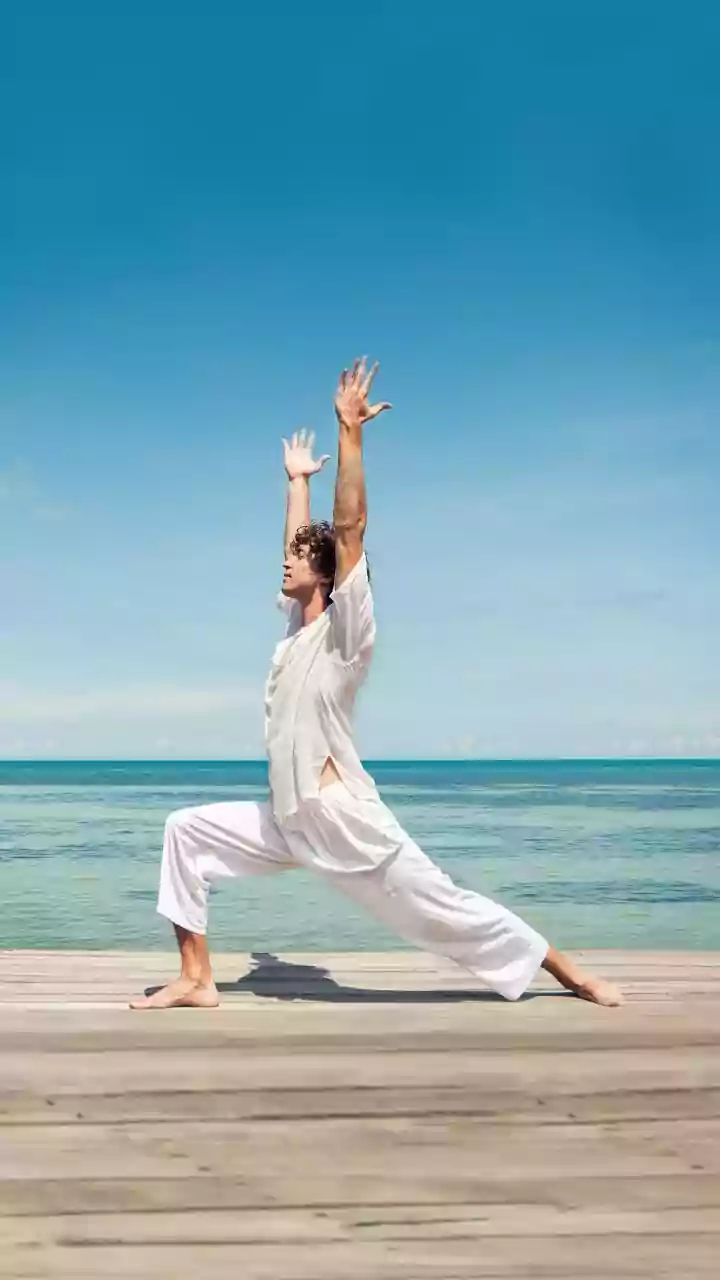
Both activities are celebrated as low-impact exercises, meaning they are gentle on the joints. However, they build strength and fitness in very different ways. Tai Chi is often called 'meditation in motion'. It involves slow, continuous, and flowing movements that build lower-body strength, improve flexibility, and dramatically enhance balance. Studies have repeatedly shown its effectiveness in preventing falls, particularly in older adults. While it can improve cardiovascular fitness, its primary physical benefits are in stability, mobility, and muscle control. Kayaking provides a more conventional workout, particularly for the upper body and core. Propelling the boat through water builds significant strength in the back, shoulders, and arms, while rotating the torso engages the core muscles. It is an excellent aerobic exercise that improves heart health, endurance, and can burn a substantial number of calories.
The Mental Game: Internal vs. External Focus
While both activities can be meditative, they cultivate different kinds of mindfulness. Tai Chi's focus is largely internal. Practitioners concentrate on their breathing, the precise execution of movements, and the sensation of energy flow, or 'qi'. This deepens body awareness and promotes a state of calm, relaxed alertness, which has been shown to reduce stress, anxiety, and depression. Kayaking fosters a more external mindfulness. The paddler is connected to the world around them—the feel of the wind, the sound of water, and the rhythm of the paddle strokes. This immersive experience in nature is itself a powerful stress-reducer, helping to clear the mind and improve mood by providing an escape from daily routines. While it requires focus for navigation and balance, the mental benefit often comes from the serene and adventurous setting.
Who Is It For?
One of the greatest strengths of Tai Chi is its universal accessibility. Its gentle, controlled nature makes it suitable for people of all ages and fitness levels, including those with chronic conditions like arthritis or balance issues. Modified forms, including chair-based Tai Chi, ensure almost anyone can participate. Kayaking is also highly adaptable. While whitewater kayaking is an extreme sport, recreational kayaking on calm waters is accessible to most beginners. It does require a baseline of mobility for getting in and out of the boat and the strength to paddle. However, it remains a popular activity for a wide range of ages, offering everything from a peaceful solo paddle to a social group adventure.