






A Legacy of Responsible Tourism
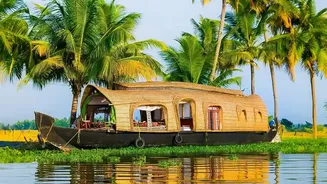
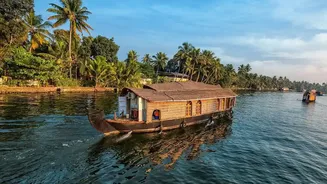
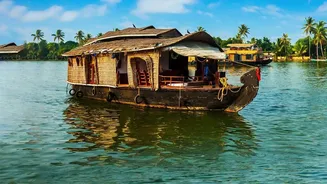
For years, Kerala has been more than just a picturesque destination of backwaters and beaches; it has been a global case study in sustainable tourism. Through its award-winning Responsible Tourism (RT) Mission, the state successfully integrated local
communities into the tourism narrative, ensuring that the economic benefits of travel reached the grassroots level. Initiatives like the STREET project (Sustainable, Tangible, Responsible, Experiential, Ethnic, Tourism hubs) were designed to take tourism into the state's interiors, creating theme-based experiences that showcased local life, culture, and agriculture. This model proved that tourism could empower residents, preserve fragile ecosystems, and offer travellers a more authentic connection to the place. The state's efforts have consistently focused on making 'better places for people to live in and better places for people to visit'.
The Next Chapter: Introducing Green Marshals
Building on this strong foundation, the 'most important update' is a practical, on-the-ground initiative set to launch on October 9, 2026: the Green Marshals programme. This move addresses a critical gap in destination management by creating a dedicated local workforce to monitor tourist spots daily. Conceived by the tourism department, the programme will deploy trained personnel at key locations with a broad mandate. Their role is not limited to one function but combines visitor assistance, safety monitoring, destination upkeep, waste management, and environmental protection into a single, cohesive effort. This initiative marks a significant step from policy to practice, embedding sustainability into the daily operations of its most popular sites.
What Will the Green Marshals Do?
The responsibilities of the Green Marshals are comprehensive. They will serve as the first point of contact for tourists needing assistance or support during emergencies. A key focus is enhancing safety, particularly for the growing number of solo and women travellers who are drawn to Kerala. By ensuring a visible and helpful presence, the state aims to maintain its reputation as a secure destination. Beyond safety, the marshals will be custodians of the environment. They are tasked with overseeing cleanliness, ensuring waste is managed properly, and verifying that basic facilities are functional. This addresses the practical challenges that can detract from a visitor's experience and impact the local environment, ensuring that sustainability is not just a concept but a visible reality.
Strengthening the Sustainable Framework
The Green Marshals initiative is part of a broader push to deepen Kerala's commitment to sustainable development. The state government has also announced plans to grant official industry status to the tourism sector, a move that would provide tourism ventures with the same incentives and support as other industries, encouraging further investment in sustainable projects. This financial and structural support is crucial for long-term success. Furthermore, the 2026-27 budget allocated significant funds to expand eco-tourism, women-led tourism enterprises, and develop AI-enabled digital platforms for smarter tourism. The Green Marshals will be the human element in this high-tech, high-investment strategy, ensuring that progress on the ground keeps pace with ambitious policy goals.
The Impact on Travellers and Locals
For travellers, the presence of Green Marshals means a more comfortable, safer, and cleaner visit. Knowing that a trained local professional is on hand to help resolves a key anxiety for many visitors, especially those exploring off the beaten path. For local communities, the programme offers a new source of employment. The first phase alone is expected to create around 180 jobs for people aged 20 to 40, who will receive specialized training in hospitality and environmental management. This initiative strengthens the link between tourism and local prosperity, turning residents into active participants and beneficiaries of the tourism economy. It's a tangible outcome of the 'Tourism for Inclusive Growth' philosophy that the state has championed.