



The Art of Seasoning: Creating a Natural Non-Stick Surface
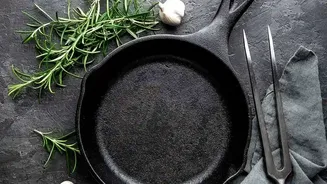
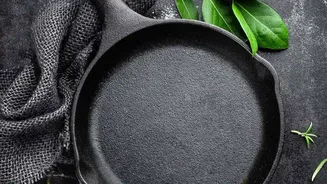
First, let's clarify: 'seasoning' isn't about adding salt and pepper. It’s the process of baking thin layers of oil onto the pan's surface, creating a protective, non-stick coating through a process called polymerization. Many modern pans come pre-seasoned,
but you'll still want to build on that foundation. Before first use, give the pan a quick wash with mild soap and warm water—this is one of the few times soap is recommended—and dry it completely. Then, apply a very thin layer of a high-smoke-point oil like groundnut, rice bran, or even mustard oil. Wipe away the excess until the pan looks almost dry; too much oil creates a sticky, not a smooth, surface. Heat the pan on the stovetop or in an oven until it starts to lightly smoke, then let it cool completely. Each time you cook with oil, you're adding to this seasoning, making the pan better with every use.
The Drying Imperative: Your Best Defence Against Rust
Moisture is the number one enemy of cast iron. Even small droplets of water left after washing can lead to rust, which can seem like a disaster. Thankfully, preventing it is simple. The golden rule is to never let your cast-iron pan air-dry or soak in the sink. Soaking can strip away the seasoning you've worked hard to build. The most effective method is a two-step process: immediately after washing, wipe the pan thoroughly with a cloth towel. Then, place it on the stove over low heat for a few minutes. This ensures that every last bit of moisture evaporates, even from the porous surface of the iron. Once it's bone-dry and cool enough to handle, you can store it. For extra protection, especially in humid climates, you can wipe a tiny amount of cooking oil on the surface before putting it away.
Recipe Fit: Playing to Your Pan's Strengths
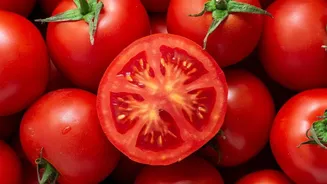
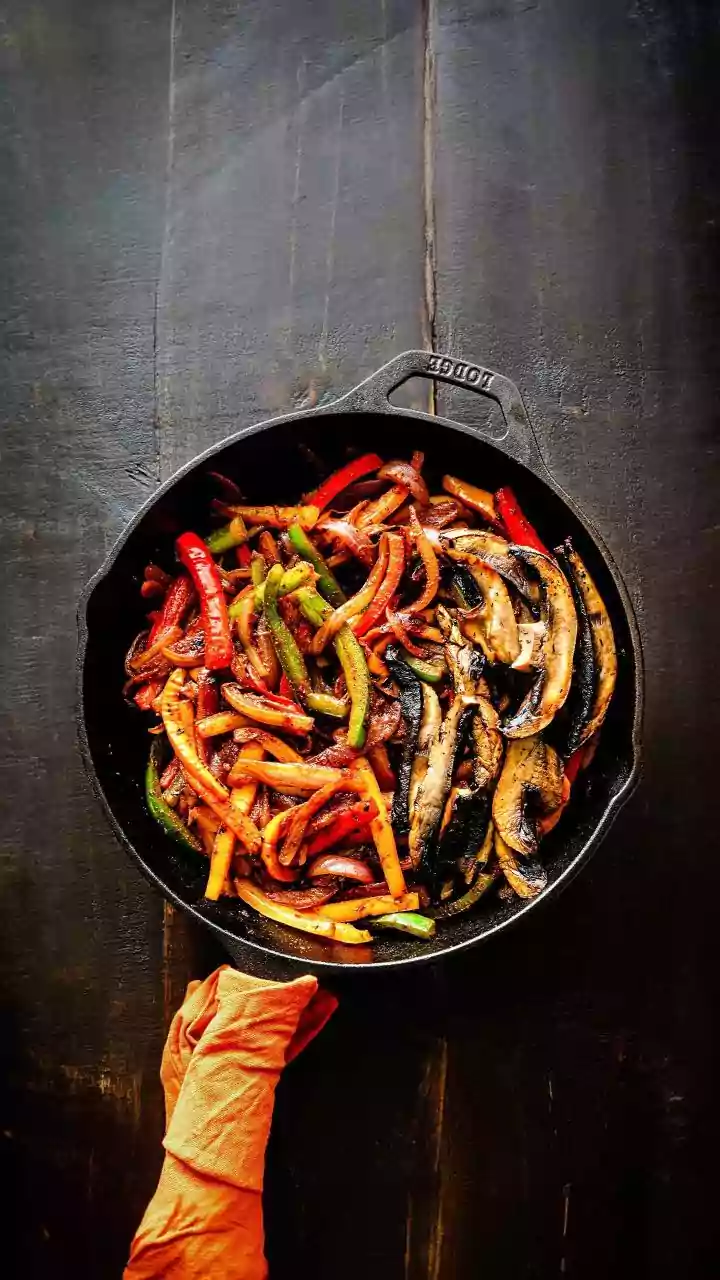
A well-seasoned cast-iron pan is a kitchen workhorse, but it shines brightest with certain foods. Its ability to retain and distribute heat evenly makes it perfect for getting a fantastic sear on paneer and chicken, frying potatoes until perfectly crisp, or baking fluffy cornbread and skillet brownies. Indian cooking techniques like sautéing and shallow-frying naturally help build and maintain the pan's seasoning. However, it's wise to be selective, especially when your pan is new. Very acidic foods, like tomato-heavy curries or dishes with a lot of lemon or vinegar, can break down the seasoning and sometimes impart a metallic taste. It's best to wait until your pan has a thick, well-established seasoning before simmering acidic sauces for long periods. Similarly, extremely sticky foods like eggs or pancakes can be a challenge in a new pan but cook beautifully once the surface is slick and properly seasoned. Delicate fish might also be better suited to a different pan, as the intense heat can be too much.
Debunking Common Cast-Iron Myths
Several myths surround cast-iron care that can cause unnecessary stress. The most persistent one is the 'no soap' rule. This rule dates back to when soaps contained harsh chemicals like lye, which could strip seasoning. Today’s mild dish soaps are perfectly safe for cleaning your pan when needed; just don't use abrasive scrubbers or let it soak. Another misconception is that your pan needs to look perfectly smooth and glossy black right away. A durable seasoning builds up over months and years of consistent use, so don't worry about minor imperfections. Finally, if you do find a spot of rust, don't panic. It's almost always fixable. Simply scrub the rust off, wash and dry the pan, and re-apply a few layers of seasoning to restore its protective coating.