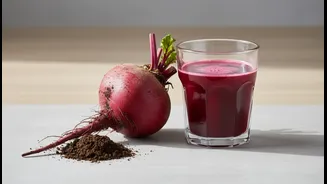









The Fibre Facts: Juice vs. Whole Root
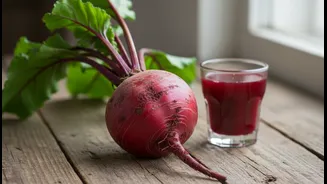
The headline is straight to the point and nutritionally accurate. When you juice a beetroot, you are extracting the water and many of the vitamins and minerals, but you leave most of the dietary fibre behind in the pulp. A typical centrifugal or cold-press
juicer is designed to separate the liquid from the solid parts of the vegetable. These solid parts, the pulp, are where the majority of the fibre resides. A cup of chopped, whole beets contains around 3 to 4 grams of fibre, while a glass of strained beetroot juice has practically none. This is a significant loss, considering that fibre is a powerhouse nutrient with a host of health benefits that many people don't get enough of.
Why Your Body Needs Fibre
Dietary fibre is a type of carbohydrate that the body can't digest. It passes relatively intact through your digestive system, playing a vital role in maintaining gut health. There are two main types, soluble and insoluble, and most plant foods contain a mix of both. Soluble fibre dissolves in water to form a gel-like substance that can help lower cholesterol and blood sugar levels. Insoluble fibre adds bulk to stool, which helps prevent constipation and promotes regular bowel movements. A high-fibre diet is linked to a lower risk of developing numerous conditions, including heart disease, stroke, type 2 diabetes, and certain types of cancer. It also helps with weight management by making you feel fuller for longer.
Beyond Fibre: The Power of the Whole Beet
While fibre is a major advantage of eating whole beetroot, it’s not the only one. The fibre in the whole root also slows down the absorption of its natural sugars. This leads to a more gradual increase in blood sugar levels compared to the quick spike that can come from drinking fruit and vegetable juices. Whole beetroots are also packed with other essential nutrients, including folate, potassium, manganese, iron, and vitamin C. They are particularly famous for their high concentration of dietary nitrates. The body converts these nitrates into nitric oxide, a molecule that helps relax and widen blood vessels, which may support healthy blood pressure and improve blood flow.
Is There Still a Place for Juice?
This isn't to say that beetroot juice is 'bad'. In fact, it has its own unique advantages. Because the fibre is removed, the nutrients in juice, particularly the nitrates, are absorbed by the body very quickly. This makes beet juice a popular choice for athletes looking for a performance boost or for those seeking a rapid dose of nitrates to help manage blood pressure. Juicing allows for a concentrated intake of vitamins and minerals that would be difficult to consume in whole-food form in one sitting. The choice between juice and the whole vegetable really depends on your health goals. For a quick, concentrated nutrient hit, juice can be a useful tool. For everyday health, digestive wellness, and blood sugar management, the whole beet is superior.
Easy Ways to Eat Whole Beetroot
Incorporating whole beetroot into your diet is easier than you might think and doesn't require a juicer. You can enjoy them raw by grating them into salads or coleslaw for a sweet, earthy crunch. Roasting is another popular method; simply toss them with a little olive oil, salt, and pepper. Roasted beets can be served as a side dish or added to salads, often paired with goat cheese or walnuts. You can also boil or steam them until tender. Don't forget about the leafy green tops, which are edible and highly nutritious themselves; they can be sautéed just like spinach or other leafy greens. For a fibre-rich drink, consider blending whole, cooked beetroot into a smoothie with other fruits and vegetables, which keeps all the valuable fibre intact.