






What Happened in Ceuta?
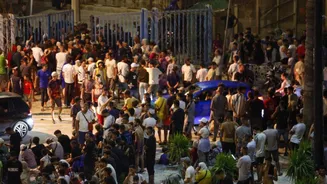
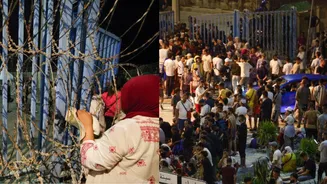
In May 2021, the small Spanish autonomous city of Ceuta, located on the northern coast of Africa, experienced an unprecedented event. Over two days, an estimated 8,000 to 10,000 people, including many unaccompanied minors, crossed the border from Morocco.
They arrived by swimming around the jetties that extend into the Mediterranean or by climbing over the border fences. The influx overwhelmed the city of just 85,000 people, creating a humanitarian and logistical crisis. What made the event so shocking was not just the number of people, but the apparent passivity of Moroccan border guards, who were observed doing little to stop the crossings. This suggested the influx was not a spontaneous event but a deliberate relaxation of border controls.
The Immediate Diplomatic Trigger
The proximate cause for this sudden influx was a diplomatic fallout between Spain and Morocco. In April 2021, Spain had discreetly allowed Brahim Ghali, the leader of the Polisario Front, to be hospitalized for COVID-19 in a Spanish hospital. The Polisario Front is a movement seeking independence for Western Sahara, a territory largely controlled and claimed by Morocco since Spain withdrew in 1975. Morocco views the Polisario Front as a separatist enemy. By hosting Ghali, Spain angered Rabat, which perceived the act as a betrayal of their complex relationship. The subsequent relaxation of border controls at Ceuta was widely interpreted as a direct and punitive response from Morocco, demonstrating its displeasure and its leverage.
A Border Unlike Any Other
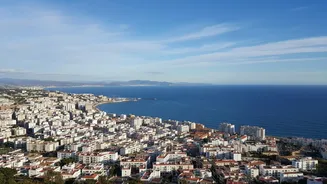
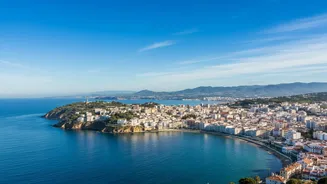
To understand the situation, one must grasp Ceuta's unique geography and history. Ceuta, along with another city, Melilla, are Spanish territories on the mainland of North Africa. Spain's presence dates back centuries; Portugal conquered Ceuta in 1415, and it passed to Spanish rule in 1668. Morocco has claimed sovereignty over both enclaves since its independence in 1956, viewing them as colonial vestiges. For Spain, they are integral parts of the nation, with their status enshrined in the Spanish constitution. Crucially, this creates the European Union's only land borders with Africa, making them a focal point for migrants seeking to reach Europe.
Migration as Geopolitical Leverage
The Ceuta crisis highlighted a long-standing dynamic: Morocco's role as a gatekeeper of migration to Europe. The EU has for years provided Morocco with substantial funding—hundreds of millions of euros—to manage its borders and prevent irregular migration. This partnership turns Morocco into a crucial buffer for the EU. However, this cooperation also hands Rabat significant political leverage. By controlling the flow of migrants, Morocco can exert pressure on Spain and, by extension, the wider EU to achieve its own foreign policy objectives. The events of 2021 were a stark demonstration of this 'weaponization' of migration, where turning the tap of migration on or off becomes a tool of statecraft.
The Deeper Issue: Western Sahara
At the heart of the Spain-Morocco relationship lies the unresolved issue of Western Sahara. After Spain withdrew from its former colony in 1975, Morocco annexed much of the territory, leading to a long-running conflict with the Polisario Front, which is backed by Morocco's regional rival, Algeria. For decades, Spain maintained a position of careful neutrality, officially supporting a UN-led self-determination referendum. However, the pressure from Morocco has been immense. Following the 2021 Ceuta crisis, Spain made a major policy shift. In March 2022, the Spanish government publicly endorsed Morocco's plan for autonomy for the region as the 'most serious, realistic and credible basis' for resolving the conflict, effectively abandoning its neutral stance. Many observers see this as a direct consequence of the pressure exerted through the Ceuta migrant crisis.