



The South Indian Icon: Medu Vada
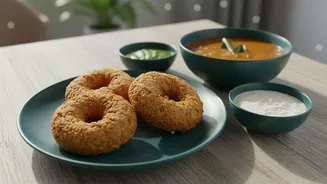
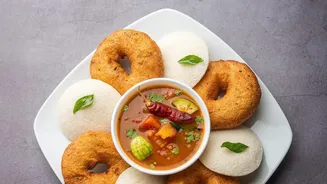
Arguably the most recognized vada, the Medu Vada is a breakfast staple across South India. Made from a meticulously ground and aerated batter of urad dal (black gram), it boasts a delightfully fluffy, almost cloud-like interior encased in a perfectly
crisp, golden-brown shell. Its characteristic doughnut shape isn't just for show; it helps the vada cook evenly from all sides. The serving tradition is a masterclass in balance. It's almost always served with a bowl of hot, tangy sambar (a lentil and vegetable stew) and a side of fresh coconut chutney. This pairing is central to its identity. Dunking the crisp vada into the sambar allows it to soak up the flavourful broth, creating a textural contrast of soft and crunchy in every bite, a testament to the South Indian love for complex, multi-layered dishes.
The Mumbai Lifeline: Batata Vada
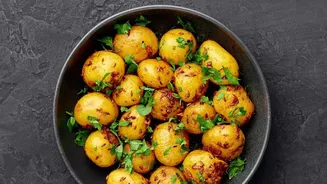
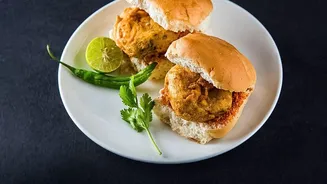
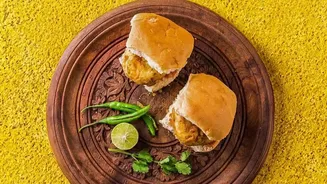
Travel west to Maharashtra, and you'll find the Batata Vada reigning supreme. This version features a soft, spicy filling of mashed potatoes seasoned with ginger, garlic, green chillies, and mustard seeds, coated in a thick gram flour (besan) batter and deep-fried. While delicious on its own with a side of chutney, its true cultural significance is revealed when it's served as Vada Pav. This iconic street food, often called the 'Bombay Burger', involves placing a hot Batata Vada inside a soft bread roll called a pav, slathered with spicy dry garlic chutney and sometimes a tangy tamarind or mint chutney. Born in the 1960s to offer a cheap and filling meal for Mumbai's mill workers, the Vada Pav embodies the city's fast-paced, on-the-go culture. It’s a complete, convenient meal in itself, perfectly designed for the bustling life of the metropolis.
The Fasting Favourite: Sabudana Vada
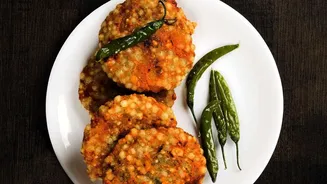
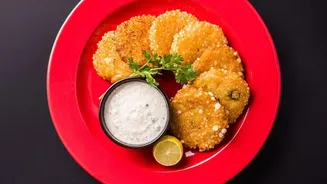
Another gem from Maharashtra, the Sabudana Vada is a unique creation made from soaked tapioca pearls (sabudana), mashed potatoes, roasted peanuts, and spices. Its popularity is intrinsically linked to religious fasting periods like Navratri and Ekadashi, when grains are often avoided. The result is a fritter with an unparalleled texture: crispy on the outside with a delightful, chewy interior punctuated by the crunch of peanuts. The traditional serving style reflects its fasting (vrat) context. It is typically paired not with sambar, but with a cooling, sweetened yogurt (dahi) dip or a subtly spiced peanut chutney. This pairing is designed to be both energizing and compliant with fasting norms, providing a balance of carbohydrates, protein, and flavour without using grains or heavy spices like onion and garlic.
The Crunchy Tea-Time Snack: Parippu Vada
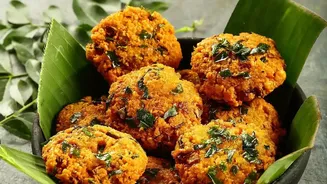
Known as Parippu Vada in Kerala and Masala Vada in Tamil Nadu, this is the crunchiest member of the vada family. Unlike the smooth batter of the Medu Vada, this version is made from a coarse grind of chana dal (Bengal gram), which gives it a distinctively rugged and satisfyingly crunchy texture. The dal is mixed with finely chopped onions, green chillies, ginger, and curry leaves, creating a fritter that is bursting with flavour. This vada is not typically a breakfast item but is the undisputed king of the evening tea stall. Served simply on its own or with a basic coconut chutney, its purpose is to be the perfect companion to a hot cup of chai or filter coffee, especially on a rainy day. This tradition reflects a culture of unwinding and socializing over a simple, flavourful, and crunchy snack at the end of the day.