
A Once-in-a-Dozen-Year Wonder
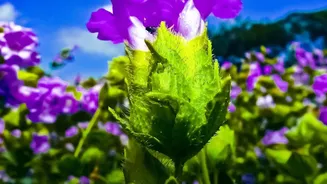
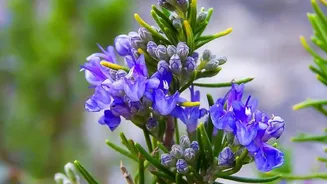
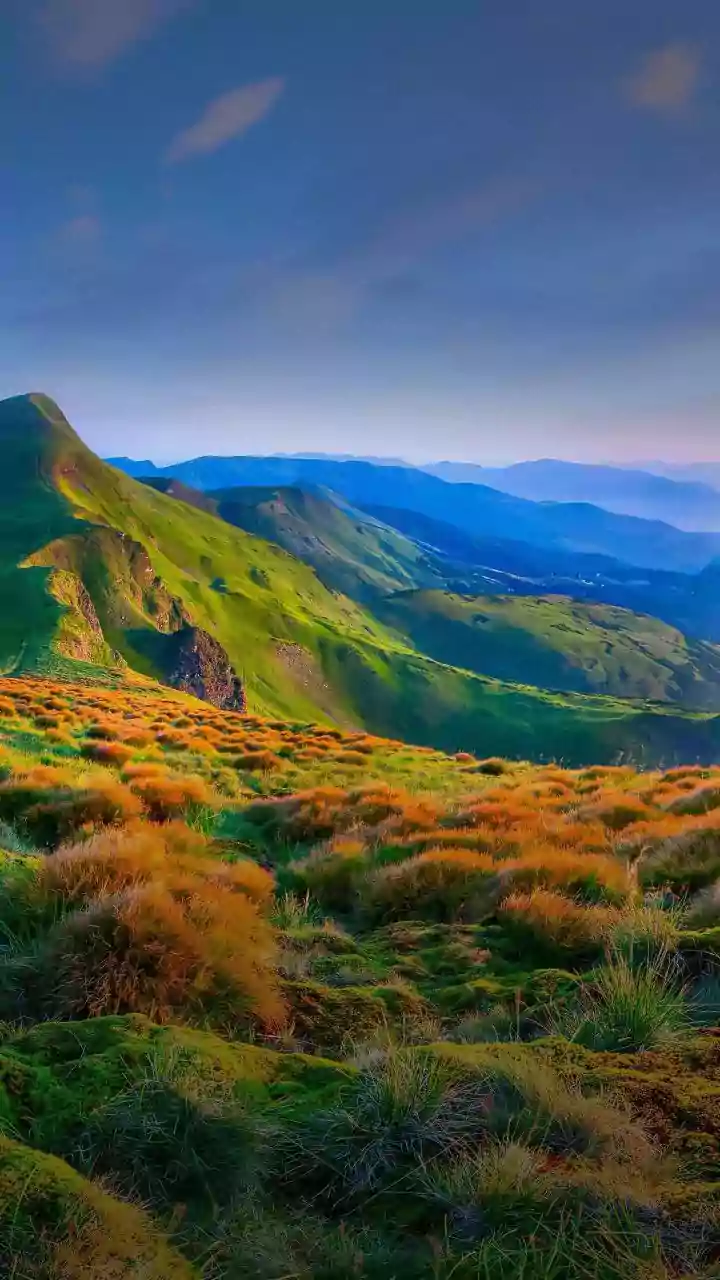
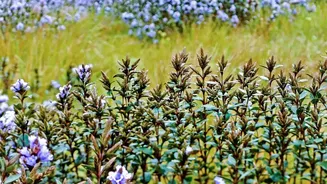
Neelakurinji, or Strobilanthes kunthiana, is a shrub endemic to the shola grasslands of the Western Ghats. What makes it extraordinary is its lifecycle. It is a plietesial species, a plant that flowers at long intervals, and in this case, that interval is 12
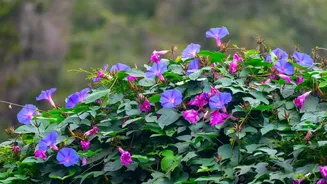
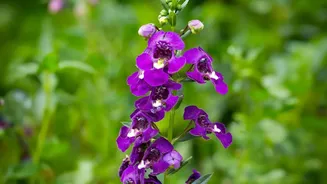
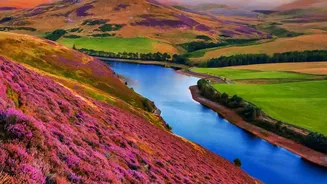
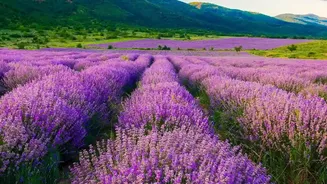
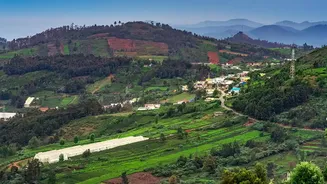
years. After it blooms in a mass synchronized event, it sets seed and then dies, having completed its life's purpose. This rare phenomenon transforms landscapes in Kerala, Tamil Nadu and Karnataka into a surreal blue carpet, giving the Nilgiri Hills, which literally means 'Blue Mountains', their name. This cycle is so regular that the local Paliyan and Muthuvan tribes have traditionally used it to calculate their age. The last major bloom occurred in 2018, with the next one eagerly anticipated around 2030.
The Ecological Keystone
The bloom is more than just a pretty sight; it is a vital ecological event. The mass flowering provides a sudden, abundant feast of nectar for pollinators. Honeybees, in particular, thrive during this period, producing a rare and highly valued honey known as Kurinjithen. The plant itself is considered an indicator species, meaning its health reflects the overall health of its high-altitude grassland ecosystem. Its dense root systems also play a crucial role in preventing soil erosion on the steep mountain slopes, helping to maintain the stability of the landscape. After the parent plants die, the seeds provide food for various small animals and birds, ensuring the intricate food web of the shola forests continues to function.
The Double-Edged Sword of Tourism
Such a rare and beautiful event naturally attracts immense attention. During a bloom year, places like Munnar in Kerala see a massive influx of tourists, sometimes numbering close to a million people. This provides a significant boost to the local economy, benefiting hotels, guides, and local businesses. However, this success comes at a cost. Unregulated tourism has become a major threat. Many visitors, unaware of the plant's fragility, trample the bushes or pluck the flowers. The sheer volume of people and vehicles leads to traffic congestion, waste accumulation, and habitat degradation, putting immense pressure on the very ecosystem people have come to admire. Every plant damaged is not just one flower lost, but a potential bloom that will not be seen for another 12 years.
A Habitat Under Pressure
Beyond the pressures of tourism, the Neelakurinji faces even graver, long-term threats. Its natural habitat, the unique shola grasslands, has been shrinking dramatically. Large swathes of land have been converted for tea, coffee, and eucalyptus plantations. Infrastructure projects, urbanization, and the invasion of exotic plant species have further fragmented and destroyed its home. Scientists estimate that nearly 40% of the Neelakurinji's habitat has already been lost. In recognition of these threats, the plant has been officially included in the IUCN Red List as a 'Vulnerable' species. Climate change also poses a serious risk, as altered rainfall and temperature patterns could disrupt the plant's finely tuned 12-year blooming cycle.
The Race to Protect a Generation
Thankfully, efforts are underway to protect this botanical treasure. The government has taken steps by establishing protected areas like the Kurinjimala Sanctuary in Kerala, created specifically for its conservation. In 2023, the Union Environment Ministry also brought the plant under Schedule III of the Wildlife (Protection) Act, making it illegal to uproot or destroy it, with penalties including fines and imprisonment. Conservation groups and local communities are also working to raise awareness about responsible tourism and the importance of preserving the shola grasslands. These actions are crucial because of the plant's long life cycle. Protecting the Neelakurinji is not just about saving a plant; it is about preserving an entire generation of blooms and safeguarding a unique piece of India's natural heritage for the future.