



Why Drainage Is a Plant's Best Friend
It’s easy to think of plant care as just water and sunlight, but what happens below the soil is just as important. Plant roots need to breathe. They absorb oxygen from tiny air pockets in the soil. When you water a plant, that water needs to flow through
the soil and out the bottom. Without a drainage hole, excess water pools at the base of the pot, saturating the soil and drowning the roots. This soggy environment is the perfect breeding ground for fungus and bacteria, leading to a condition called root rot. Once root rot sets in, the roots turn brown and mushy, unable to absorb nutrients, and the plant's health rapidly declines. Proper drainage is non-negotiable for the vast majority of houseplants.
The Secret of the Cachepot
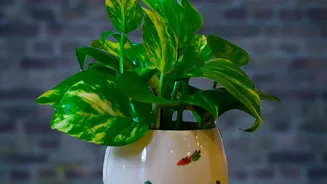
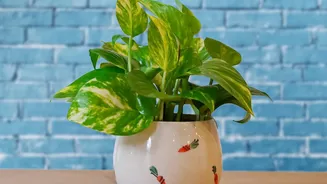
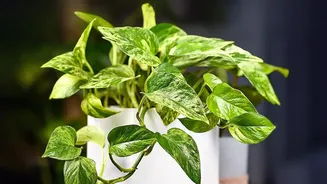
So how do you use that gorgeous ceramic pot that has no hole at the bottom? The answer is simple: don't plant directly in it. Instead, use it as a 'cachepot'—a French term that literally means "to hide a pot." Most decorative planters sold today are intended to be used this way. The method is wonderfully straightforward: keep your plant in its simple plastic nursery pot, which already has drainage holes. Then, simply place this functional pot inside your beautiful decorative one. This gives you the best of both worlds: your plant gets the drainage it needs to thrive, and you get the stylish accent piece that elevates your room design. Your furniture is also protected from water damage.
A Smarter Watering Routine
Using the cachepot method makes watering almost foolproof. When it’s time to water, lift the inner plastic pot out of the decorative cachepot. Take it to a sink or tub and water it thoroughly, letting all the excess liquid drain completely from the holes at the bottom. Give it 15 to 30 minutes to ensure no more water is dripping, then simply pop it back into its decorative home. This one extra step prevents your plant from ever sitting in stagnant water, which is the primary cause of root rot. For very large plants that are too heavy to lift, you can use a turkey baster or a large sponge to soak up any collected water from the bottom of the cachepot after watering.
What About a Layer of Rocks?
You may have heard advice to add a layer of gravel or rocks to the bottom of a hole-less planter to improve drainage. Unfortunately, this is a persistent gardening myth. Rather than helping, this practice creates a 'perched water table.' Water doesn't easily move between layers of different textures, so it will fully saturate the soil layer on top of the rocks before it even begins to drain down. This keeps the plant's root ball in a perpetually soggy state, creating the exact conditions you want to avoid. The only truly safe ways to use a decorative pot without a hole are the cachepot method or drilling your own drainage holes, which is possible on many ceramic pots with the right drill bit.
Choosing Planters to Elevate Your Design
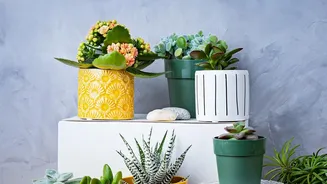
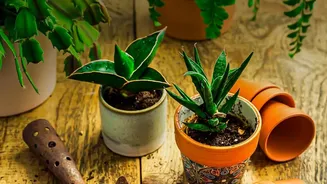
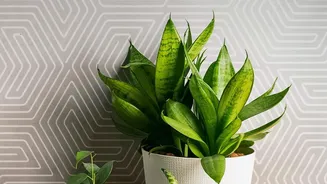
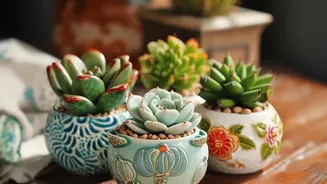
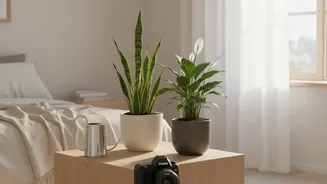
Once you've mastered drainage, you can fully embrace plants as a core part of your interior design. The planter is as important as the plant itself. For a modern or minimalist room, look for planters with clean lines and neutral tones like white, grey, or black. If your style is more bohemian or rustic, consider textured ceramics or natural materials like terracotta. Don't be afraid to mix and match. Grouping planters of different heights, shapes, and textures can create a stunning focal point in any room. Consider the scale: a large statement plant like a Fiddle Leaf Fig needs a substantial pot to feel balanced, while smaller succulents can be clustered on shelves or windowsills. By pairing the right plant with the right decorative cachepot, you seamlessly integrate nature into your home's aesthetic.