




Sirpur: Capital of a Lost Kingdom
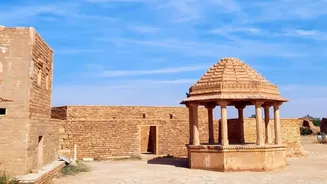
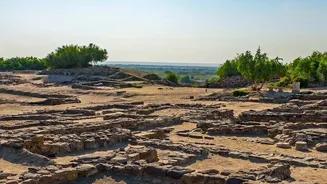
Once a thriving metropolis on the banks of the Mahanadi river, Sirpur was the capital of the Panduvamshi and Somavamshi kings between the 5th and 12th centuries. Known as Sripura, or the 'City of Wealth', it was a major centre for commerce and religion,
as documented by the famed Chinese traveller Hiuen Tsang in the 7th century. Today, the sprawling archaeological site offers a window into this glorious past. Excavations have revealed an astonishing array of Hindu, Buddhist, and Jain monuments existing in harmony. The star attraction is the 7th-century Lakshmana Temple, one of India's finest brick temples, celebrated for its intricate carvings and remarkable preservation. Wander further and you will discover the ruins of numerous Buddhist viharas (monasteries), a testament to the thousands of monks who once studied here. Don't miss the Surang Tila, a striking temple complex on a high platform that shows evidence of a massive earthquake that likely contributed to the city's decline.
Malhar: A Crossroads of Culture
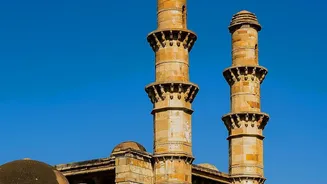
About 30 kilometres from Bilaspur lies Malhar, another historically significant town that served as a capital in the 1st millennium. Referred to as Mallar or Sarabhapur in ancient texts, it was a melting pot of Hindu, Buddhist, and Jain cultures. Archaeological finds in Malhar date back to 1000 BCE and span through the Mauryan, Shunga, and Satavahana periods, up to the Kalachuri regime in the 13th century. Key sites include the Pataleshwar Temple, with its unique Gomukhi Shivling, and the Dindeshwari Temple. The area has yielded a treasure trove of sculptures, including a notable four-armed Vishnu idol considered to be from around 200 BCE. The presence of so many different religious memorials confirms its role as a dynamic centre where various faiths and ideas converged, likely facilitated by its position on ancient trade routes.
Talagram: The Land of Enigmatic Sculptures
For a touch of mystery, head to Talagram, located on the banks of the Maniari river. This site is famous for the Devrani-Jethani temples, two ruined 5th to 6th-century Shaiva shrines. The names, meaning younger and elder sister-in-law, are local folk terms, not historical dedications. What makes Talagram truly unique is the 'Rudra Shiva' statue unearthed at the Devrani temple. This incredible sculpture is a composite figure, with each body part intricately formed from different animals and human faces, a piece that has long puzzled archaeologists and historians. The sheer creativity and symbolism of the statues here are unlike anything else in the region, offering a glimpse into the esoteric spiritual practices that may have flourished in ancient Dakshina Kosala.
Planning Your Historical Tour
The best time to visit these archaeological sites is during the cooler months, from October to March, when the weather is pleasant for exploring. The main gateway to the region is Raipur's Swami Vivekananda Airport, which is well-connected to major Indian cities. Sirpur is about an 80-kilometre drive from Raipur, easily reachable by taxi or bus. Malhar and Talagram are closer to Bilaspur. You can plan a circuit trip starting from Raipur, covering Sirpur first. From there, you can travel towards Bilaspur to visit Malhar and Talagram. A dedicated taxi for a few days would be the most convenient way to navigate between these sites, allowing you to spend ample time at each location without being rushed. Accommodations are available in Raipur and Bilaspur, ranging from budget to more comfortable options.