






The Heartbeat Remains the Same
When a manufacturer unveils an updated motorcycle, enthusiasts eagerly scan for changes. New chassis? Better suspension? More horsepower? Yet, sometimes the most significant news is what hasn't changed: the engine. For brands with a cult following, like
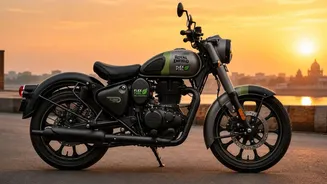
Royal Enfield and its beloved Classic 350, the engine is more than a component; it's the motorcycle's soul. The 349cc J-series engine, for instance, continues to power the latest iterations of the Classic, not because of a lack of innovation, but as a commitment to a specific feeling. This decision ensures that the thumping, torque-rich character that owners fell in love with remains perfectly preserved. It’s a promise that while the trimmings may evolve, the core experience is as authentic as ever.
If It Ain't Broke, Perfect It
The philosophy of retaining a proven engine is rooted in a powerful principle: reliability. Developing a new engine is a monumental task, demanding immense investment in research, development, and testing. Sticking with a tried-and-true powerplant allows manufacturers to refine a platform that is already known to be robust and dependable. For the owner, this translates into peace of mind. The engine’s quirks are understood, its performance is predictable, and a vast support network already exists. In a country like India, having a single-cylinder engine that thousands of mechanics know inside-out is a massive advantage. Spare parts are abundant and affordable, and maintenance is straightforward, making long-term ownership practical and accessible.
An Ode to Identity and Nostalgia
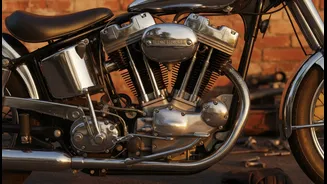
For certain motorcycles, performance isn't measured in raw horsepower or blistering top speed. It's measured in sensation and emotion. The signature exhaust note, the low-end torque that makes city riding effortless, and the gentle vibrations that communicate the machine’s pulse are all part of the engine’s character. Changing this fundamental DNA risks alienating a loyal community that bought into that specific feeling. This strategy is not unique to Royal Enfield; iconic brands like Harley-Davidson have built entire empires by using a few core engine platforms across many models, each time reinforcing a powerful brand identity. The familiar rumble is a calling card, a sound that instantly connects a new model to a rich heritage, ensuring that a 2026 model feels like it belongs to the same family as one from decades ago.
The Other Side of the Coin
Of course, this approach is not without its critics. In a competitive market, an unchanged engine can be viewed as a lack of progress. Detractors might point to competitors offering lighter, more powerful, and more technologically advanced engines with higher rev limits and more impressive performance figures. An engine celebrated for its relaxed character might feel underpowered on an open highway. There is a constant tension between preserving character and pushing the boundaries of performance and efficiency. Manufacturers must walk a fine line, upgrading surrounding components like brakes, suspension, and electronics to keep the overall package feeling fresh, even if the heart remains familiar.
A Calculated Business Decision
Ultimately, the decision to carry over an engine is a shrewd business strategy. Platform sharing, where one engine is used across multiple models, drastically cuts down on development and manufacturing costs. This allows the company to offer bikes at a more competitive price point or invest those savings into other areas, like build quality, design, and new features. It also builds brand loyalty by creating a consistent and reliable identity that customers can trust. When a rider knows and loves the feel of a particular engine, they are more likely to stay within the brand for their next purchase. The unchanged engine is not a sign of stagnation; it is a pillar of a stable, confident, and customer-focused brand strategy.