



The Allure of Ceramic
There's a reason why ceramic planters have become a staple in modern Indian homes. Unlike basic plastic pots, they offer a world of texture, colour, and form that can elevate a simple houseplant into a deliberate piece of interior design. A sleek, minimalist
pot can complement a contemporary living room, while a rustic, hand-painted planter can add warmth to a cozy corner. They act as a finishing touch, tying the greenery into the room's overall aesthetic and turning a plant from an afterthought into a focal point. With options ranging from glossy glazed finishes to earthy, unglazed terracotta, the right ceramic planter helps tell your home's style story.
The Non-Negotiable: Why Drainage Matters
Here is the single most important rule of container gardening: plant roots need to breathe. Without a drainage hole, excess water has nowhere to go. It pools at the bottom of the pot, saturating the soil and cutting off the oxygen supply to the roots. This creates an environment perfect for fungi and bacteria to thrive, leading to the dreaded 'root rot'. Root rot is the number one killer of indoor plants, causing symptoms like yellowing leaves, wilting, and a sour smell from the soil. Even if you are careful not to overwater, a lack of drainage makes it almost inevitable. Proper drainage allows excess water to escape, ensuring roots get the air they need to stay healthy.
The Decorative Planter Dilemma
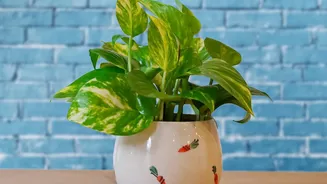
So what do you do when you find the perfect ceramic planter, but it has no drainage hole? This is a common issue, as many of the most stylish and modern pots are designed as 'cachepots' (pronounced 'cash-po'), which are meant to be decorative covers. They are designed for looks and to prevent water from spilling onto your furniture or floors. The good news is you don't have to choose between a beautiful planter and a healthy plant. You can have both by using a simple and effective technique that separates the decorative pot from the functional one.
Smart Staging: The Pot-in-a-Pot Method
The easiest and most recommended solution is to not plant directly into the decorative pot at all. Instead, keep your plant in its original plastic nursery pot, which already has drainage holes. Simply place this nursery pot inside your beautiful ceramic cachepot. When it's time to water, lift the inner plastic pot out, take it to a sink or balcony, and water it thoroughly. Let all the excess water drain out completely from the bottom before placing it back inside the ceramic pot. This method gives you the best of both worlds: the stylish appearance of the ceramic planter and the essential drainage your plant needs to thrive. It also makes it easy to check on root health or to swap out plants and pots whenever you want to change your decor.
Choosing the Right Partners
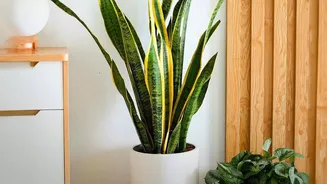
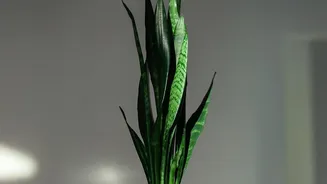
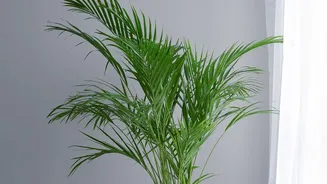
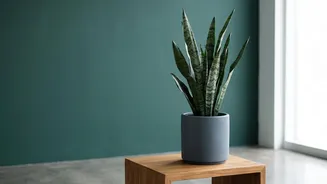
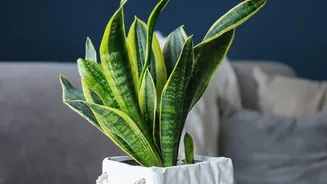
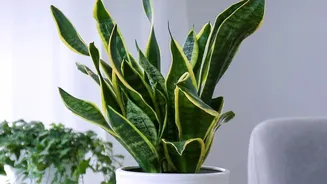
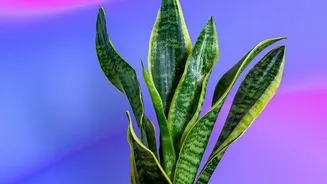
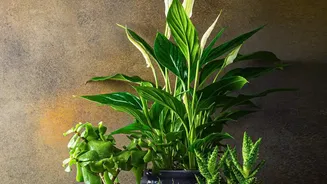
Styling is about proportion and suitability. Choose a cachepot that is slightly larger than the nursery pot, allowing it to slip in and out easily. If the decorative pot is much larger, you can place a small object or some packing material at the bottom to raise the inner pot to the right height. Match the planter's style to your room's decor — sleek and geometric for modern spaces, or textured and earthy for a more traditional feel. Also, consider the plant itself. Tall, architectural plants like a Snake Plant or Fiddle Leaf Fig look great in simple, tall cylinder pots, while plants that spread outwards, like a Spider Plant, suit wider bowls.
Watering Wisely in Ceramic
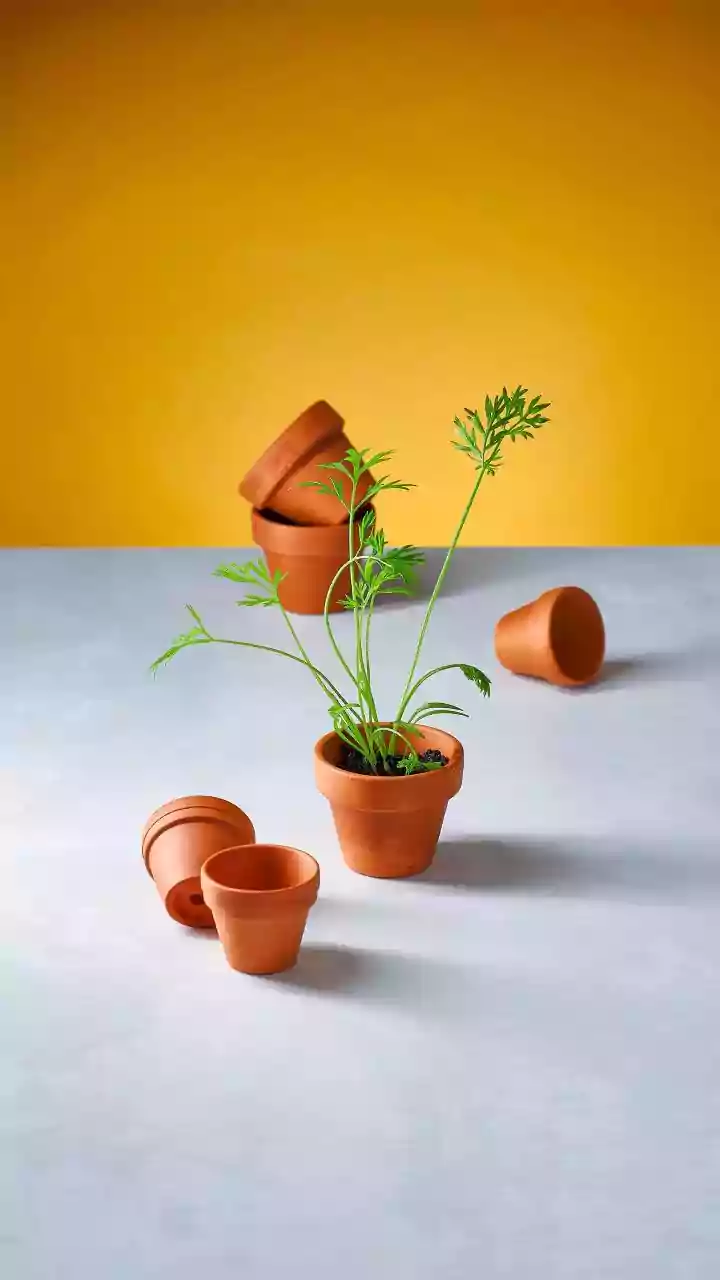
Even when using the pot-in-a-pot method, it's important to water correctly. The key is to check the soil, not water on a fixed schedule. Stick your finger about two inches into the soil; if it feels dry, it's time to water. This is especially important in India, where seasonal changes from dry summers to humid monsoons drastically affect how quickly soil dries. Ceramic pots themselves can be porous (unglazed) or non-porous (glazed). Unglazed pots breathe and wick moisture away, meaning the soil will dry out faster, while glazed pots retain moisture longer. Always empty any water that collects in the bottom of the cachepot after watering.