

A Fortunate Accident
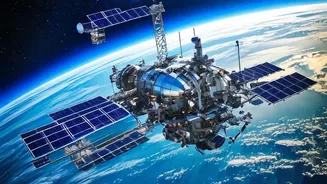
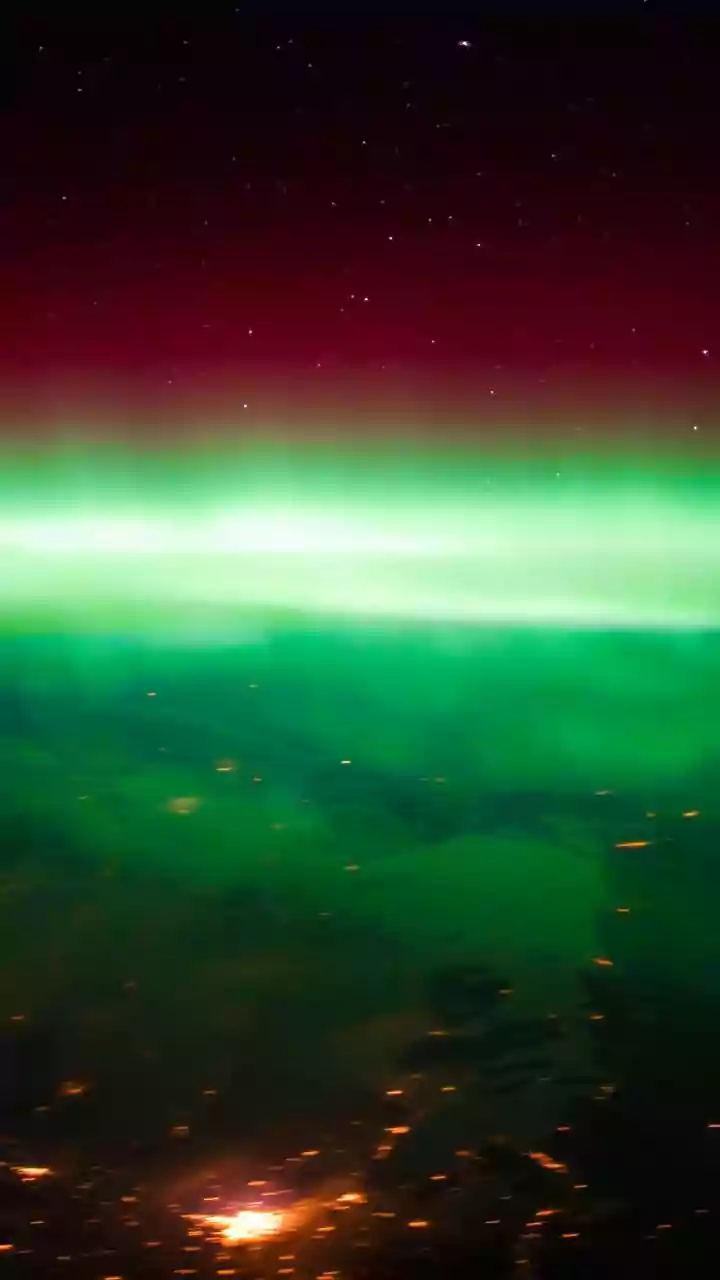
On April 27, 2026, an astronaut aboard the International Space Station (ISS) was looking out of the Cupola observatory module, hoping to spot an incoming cargo ship. Instead, they witnessed something far more spectacular directly below them. A bright
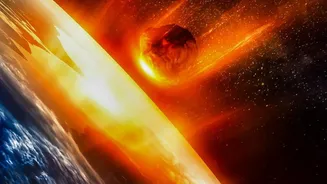
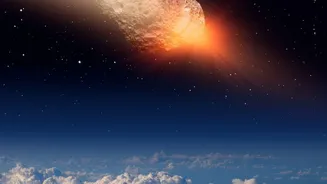
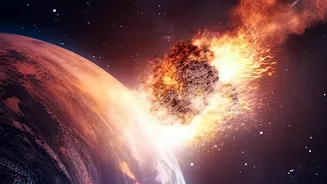
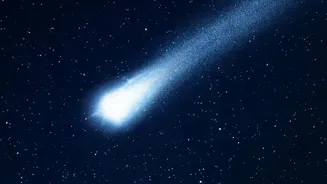
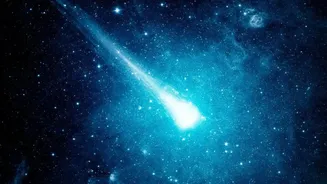
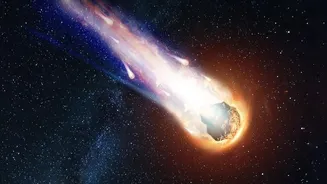
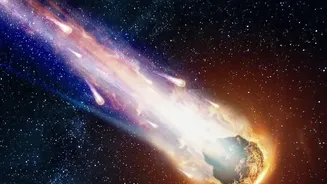
object flared to life, streaking through Earth's upper atmosphere over West Africa. The astronaut quickly captured a sequence of three photos, documenting not just a meteor, but a dramatic story of cosmic disintegration. The images, taken 30 to 40 seconds apart, show the object’s tail growing and then shattering into a shower of smaller pieces, an event the astronaut described as "quite a light show".
More Than a Simple Streak
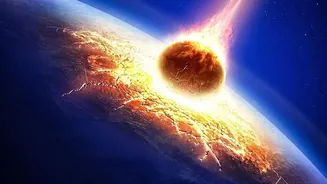
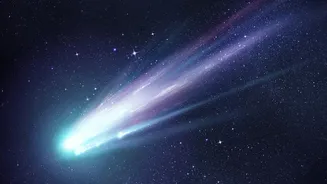
Most of us know meteors as 'shooting stars'. They are typically small pieces of space debris, often no bigger than a pebble, that enter Earth’s atmosphere at tremendous speeds. The intense friction and compression of the air heats them until they glow brightly and vaporize, creating the familiar fiery trail. While dozens of tons of meteoric material enter our atmosphere daily, it is rare to capture one in such detail from above. What makes these new photos so compelling is the clear depiction of the object's fragmentation. Instead of a single, clean burn, the fireball is seen breaking apart violently, offering a rare glimpse into the final moments of an object hitting our atmospheric wall.
Scrutinizing the Fragments
The astronaut who captured the image initially speculated that it might be a piece of orbital debris or a satellite breaking up. However, the way it disintegrated has drawn intense interest from meteor scientists. The pattern of the breakup can provide valuable clues about the object's composition and structure. Was it a solid piece of iron-nickel alloy, or was it a more fragile 'rubble pile' asteroid, loosely held together by gravity? Some meteoroids contain pockets of ice or other volatile materials that can cause them to explode when rapidly heated. Analyzing how this fireball broke apart helps scientists refine their models. These models are crucial, not just for academic interest, but for planetary defense.
A New Perspective on Planetary Defense
Understanding how different types of space rocks behave upon atmospheric entry is a critical part of NASA's mission to track Near-Earth Objects (NEOs). A large, solid iron asteroid might survive to strike the ground, while a more fragile one of the same size could detonate in a massive airburst high above the surface. An airburst event can still be incredibly destructive, as the 2013 Chelyabinsk event in Russia demonstrated, where the shockwave shattered thousands of windows and caused widespread injuries. Detailed observations like these from the ISS help scientists better predict the potential hazards from different types of incoming objects, improving risk assessment and mitigation strategies. Each new data point, even from a relatively small fireball, adds a piece to this vital planetary puzzle.
The View from Above
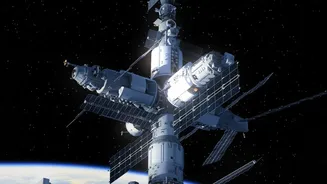
Capturing such an event is a reminder of the unique scientific platform that is the International Space Station. While ground-based cameras document fireballs looking up, astronauts on the ISS see them from above, offering a different and often unobstructed perspective. Astronauts have captured stunning images of meteors before, particularly during major showers like the Perseids. This particular event, however, stands out for its clarity and the happy coincidence of an astronaut being in the right place at the right time with a camera ready. It highlights the continued value of human eyes in space, capable of spotting the unexpected and documenting transient events that automated systems might miss.