



A Tradition of Warmth and Strength
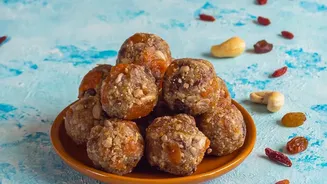
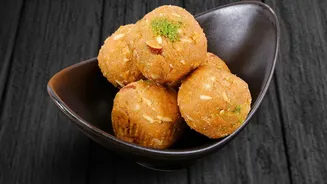
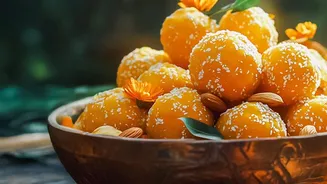
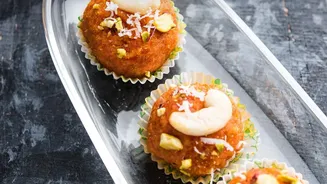
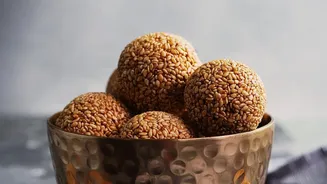
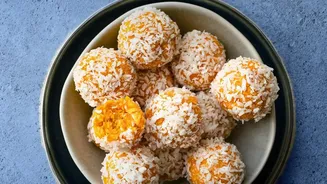
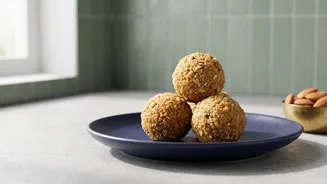
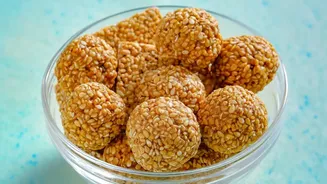
For generations, Indian households have marked the arrival of winter by preparing special ladoos. Varieties like Panjiri, methi (fenugreek), and til (sesame) are not just sweets; they are part of a culinary tradition designed to fortify the body against
the cold. The core belief is that these ladoos provide 'garmi' or internal heat. Ingredients are chosen for their warming properties and ability to boost energy and immunity during colder months. These sweets are often given to new mothers to aid postpartum recovery, or to anyone needing to regain strength, solidifying their reputation as a functional, restorative food.
The Goodness in the Ingredients
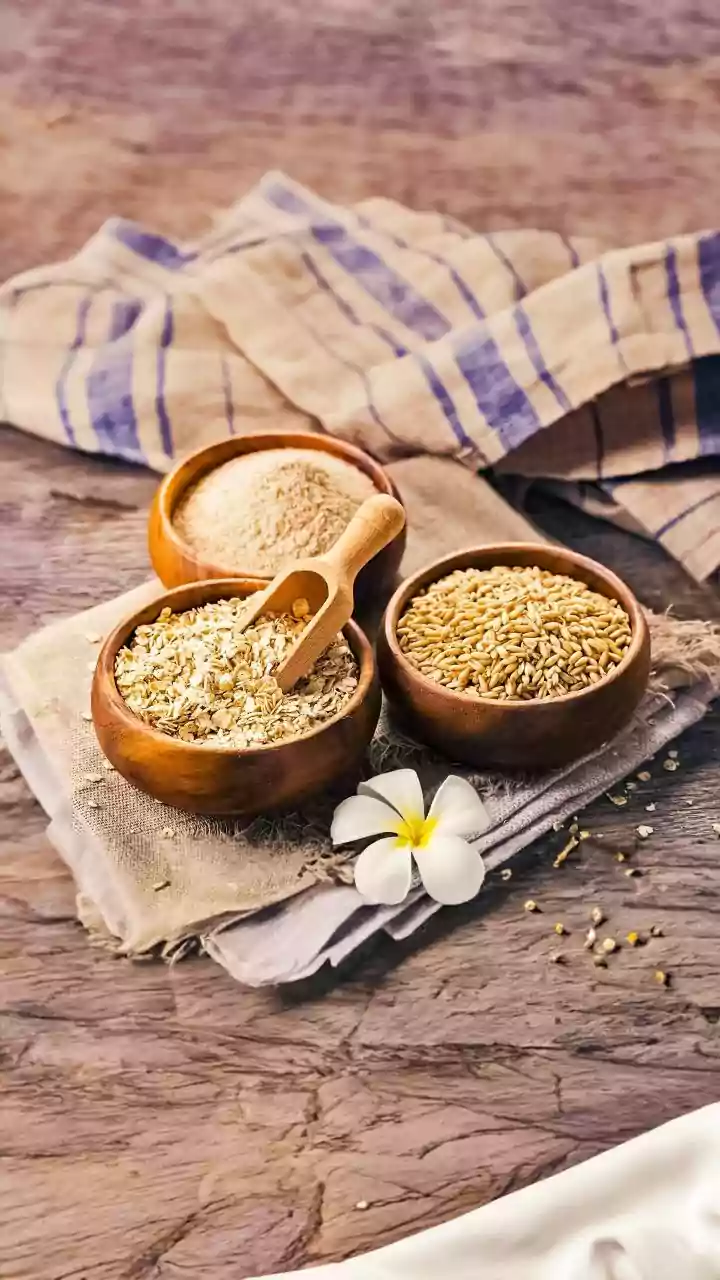
Looking at the components, it's easy to see why winter ladoos are considered healthy. They are typically packed with nutrient-dense ingredients. Whole wheat flour provides fibre, nuts and seeds like almonds and sesame offer protein, healthy fats, and minerals like calcium and iron. Spices such as ginger and cardamom can aid digestion. Some ladoos feature specific functional ingredients, like methi, which is believed to help regulate blood sugar and reduce inflammation, or edible gum (gond), known for strengthening bones. When made with jaggery instead of refined sugar, they also provide a dose of iron.
The Unspoken Reality: Calorie Density
Here is where perception and reality diverge. While the ingredients are individually healthy, the final product is extremely energy-dense. The two binding agents that make a ladoo irresistible are ghee and sugar (or jaggery). Ghee, while a healthy fat, is pure fat. Combined with sugar and nutrient-dense nuts, it creates a high-calorie package. A single panjiri ladoo can contain between 150 to 200 calories, while a richer gond ladoo can have upwards of 250 calories. For context, one ladoo can be the caloric equivalent of a small meal, packed into a few delicious bites. The problem isn't the ingredients themselves, but the concentration of calories, fat, and sugar.
So, Medicine or Mithai?
Winter ladoos are not medicine. They are traditional sweets rooted in the principle of using food as nourishment. In an era when lifestyles were more physically demanding and calories were harder to come by, these energy bombs were a vital supplement. Today, for a largely sedentary population, they are best classified as 'mithai'—a sweet treat. They can certainly be part of a healthy diet, but the key is moderation. Relying on them as a primary source of protein or vitamins is inefficient compared to other whole foods. For example, you would get far more protein from a bowl of dal or a serving of paneer for the same or fewer calories.
How to Enjoy Ladoos Mindfully
The purpose of understanding their nutritional profile isn't to demonise these beloved sweets, but to enjoy them smartly. Think of a winter ladoo as an energy bar, not a casual snack. It’s perfect for a quick boost in the morning or before physical activity. Limiting yourself to one ladoo a day is a sensible approach. Be mindful of what else you're eating; having a ladoo after a heavy, ghee-laden meal is not ideal. You can also make healthier versions at home by reducing the amount of ghee and sugar, or by using natural sweeteners like dates. Ultimately, these ladoos are a cherished part of our culinary heritage, best enjoyed with awareness rather than abandon.