






A New Way to Travel Overnight
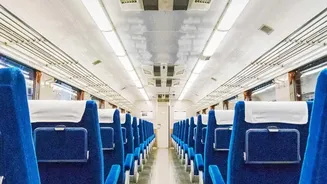
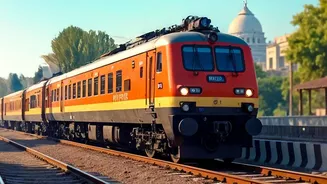
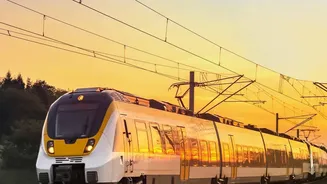
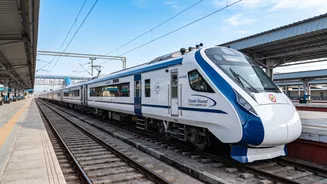
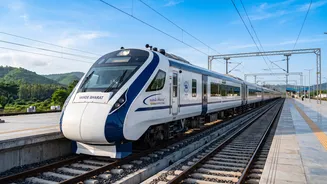
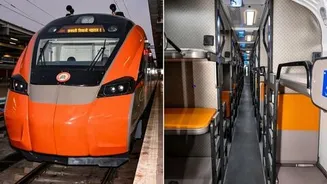
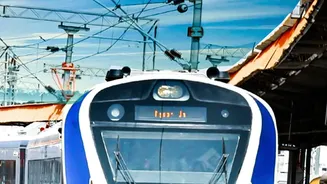
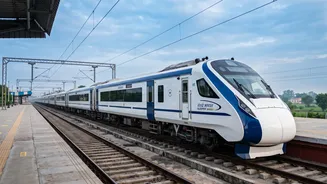
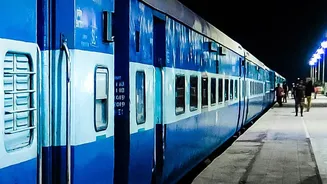
Indian Railways has rolled out its highly anticipated Vande Bharat sleeper trains, with initial services now connecting major routes like Bengaluru-Mumbai and Varanasi-New Delhi. These premium, fully air-conditioned trains are designed for speed and comfort,
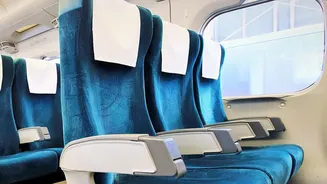
featuring 16 coaches with a capacity of 823 passengers across AC First, 2-Tier, and 3-Tier classes. The excitement around these modern trains has led to massive demand, making tickets a prized possession. However, unlike other trains, the booking rules are stricter and designed to encourage advance planning. Understanding this new framework is the first step to successfully securing a berth.
The Quota System Explained
Before you even log in to book a ticket, Indian Railways has already divided the available seats into different pools, or 'quotas'. Instead of a free-for-all, this system reserves a certain percentage of berths for different categories of travellers. The largest portion goes to the General Quota (GN), which is what most people book under. The remaining seats are allocated to a long list of other quotas, including those for defence personnel (DF), foreign tourists (FT), railway employees on duty (DP), and ladies travelling alone (LD). This is why a train might show as 'Not Available' just minutes after booking opens; what you're likely seeing is the exhaustion of the General Quota, while seats under other quotas may still be vacant.
Why Vande Bharat Sleepers Are Different
The Vande Bharat sleeper trains operate on a completely different model. To streamline operations and prioritize advance planning, Indian Railways has made a significant decision: there is no Tatkal or Premium Tatkal quota for these services. This means the popular last-minute booking option, a lifeline for many urgent travellers, is not available. Furthermore, the trains will not issue Reservation Against Cancellation (RAC) or waitlisted tickets. To travel, you must have a fully confirmed ticket. The rationale is to create a more predictable and premium experience, free from the uncertainty of waitlists and the last-minute rush of Tatkal bookings.
So, What Quotas Are Available?
While the high-demand Tatkal quota is gone, Vande Bharat sleepers still retain a few other essential quotas. These typically include the Ladies Quota (LD), Senior Citizen/Lower Berth Quota (SS), a quota for Persons with Disability (HP/Divyangjan), and the Duty Pass (DP) quota for railway staff. Some reports also mention the introduction of an Emergency Quota (HO), meant for VIPs, officials, and those with a proven emergency, which provides a small buffer of seats. However, the vast majority of the 823 berths on each train are released under the General Quota from the moment the Advance Reservation Period (ARP) begins, which is currently 60 days for most trains.
Why This System Matters for You
This restricted quota system fundamentally changes how you should approach booking a Vande Bharat sleeper ticket. The absence of Tatkal and waitlists means that spontaneity is no longer an option. Your best, and only, chance of securing a berth is to plan your travel well in advance and book your ticket the moment the 60-day window opens. All berths are available from day one, so there is no separate pool of seats that will be released later. The system benefits those who can plan ahead, offering them full access to all available general seats without competition from last-minute Tatkal buyers. For everyone else, it serves as a clear signal: for Vande Bharat sleepers, the early bird truly gets the berth.