







The Soothing Power of Sage
Sage is more than just a trending color; it’s a timeless choice rooted in nature. Its grey-green hue evokes a sense of tranquility and balance, making it ideal for creating a peaceful retreat in any room, from the bedroom to the living room. Psychologically,
green is known for its calming effects, and the muted quality of sage enhances this, promoting a feeling of quiet contemplation and restfulness. Unlike bolder greens, sage acts as a sophisticated neutral, providing a backdrop that is both interesting and easy to live with. It adapts beautifully to various lighting conditions, appearing soft and airy in bright sunlight and becoming cozier and more intimate in the evening.
Bring Nature Indoors with Plants
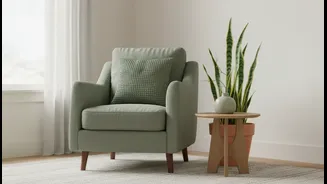
One of the most literal and effective ways to introduce sage is through houseplants. Look for plants with silvery or grey-green foliage to capture the essence of this color trend naturally. Varieties like the Echeveria succulent, certain air plants, and the silvery leaves of an olive tree or eucalyptus branch are perfect examples. Chinese evergreen varieties such as 'Silver Bay' also offer gorgeous sage-toned foliage and are famously tolerant of low-light conditions. Arranging these plants in terracotta pots or minimalist ceramic planters can enhance their natural beauty and create small, impactful vignettes of calming green throughout your home.
A Soft Touch with Cushions and Textiles
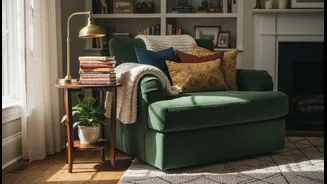
If you're not ready for a permanent change, textiles are the perfect way to experiment with sage. Cushions are an obvious starting point, but don't stop there. A chunky knit throw blanket draped over a sofa, a set of linen curtains, or a patterned area rug with sage elements can instantly soften a room and add a layer of cozy texture. The beauty of sage is how well it pairs with different materials. A sage velvet cushion can feel luxurious and modern, while a washed linen one can create a more relaxed, rustic vibe. These soft furnishings are easy to swap out seasonally, allowing you to play with the color without a major commitment.
Make a Statement with Painted Details
Paint offers a more committed but incredibly impactful way to use sage. While a full accent wall is a classic choice, consider smaller painted details for a more unique touch. Upcycling a piece of furniture like a dresser, side table, or bookshelf with a coat of sage chalk paint can turn it into a stunning focal point. For a subtle architectural highlight, try painting door frames, window trims, or even the back of a built-in shelving unit. In the kitchen, sage green cabinetry has become a popular choice for a look that is both contemporary and timeless, pairing beautifully with brass hardware and marble countertops.
Perfect Color and Material Pairings
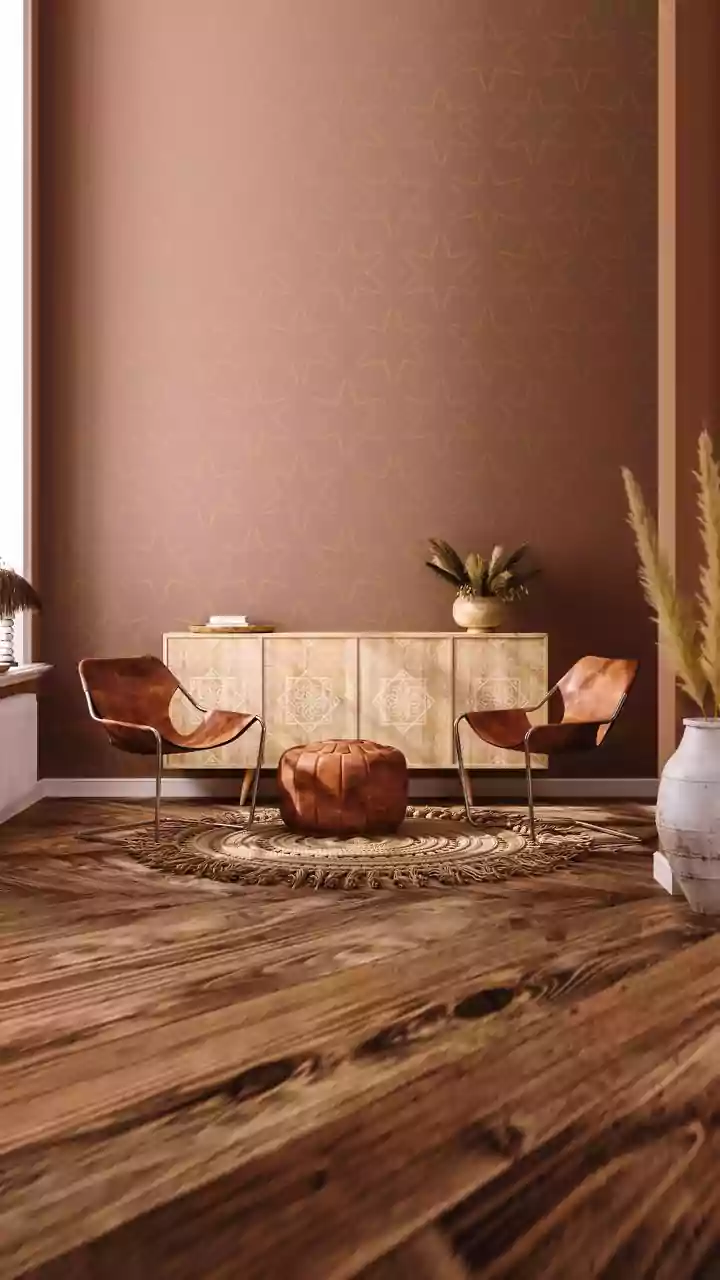
Sage green is remarkably versatile, pairing well with a wide range of colors and materials. For a warm, earthy palette, combine it with terracotta, cream, camel, and natural wood tones like oak or walnut. This creates a grounded, nature-inspired feel. For a more modern and crisp look, pair sage with clean whites, charcoal grey, or black accents. It also works surprisingly well with bolder hues; blush pinks and dusty roses create a soft, welcoming vibe, while a deep navy blue or burgundy can provide a dramatic and elegant contrast. When it comes to materials, think natural. Wood, rattan, linen, and stone all complement sage’s organic feel, while metallic accents like brass or gold can add a touch of warmth and glamour.