



A Global Celebration of Space
Declared by the United Nations, World Space Week is an annual international event celebrating the contributions of science and technology to the human condition. Its dates are historically significant, commemorating two pivotal moments: the launch of Sputnik
1, the first artificial satellite, on October 4, 1957, and the signing of the Outer Space Treaty on October 10, 1967. Each year, events are organized globally by space agencies, schools, and enthusiasts to promote public interest in space exploration. In India, ISRO centres like the Vikram Sarabhai Space Centre (VSSC) are leading outreach programs with lectures and events for students and the public.
Understanding the 'Rocket Revolution'
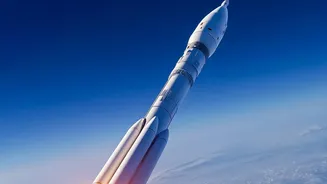
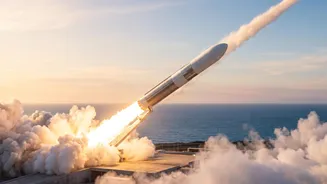
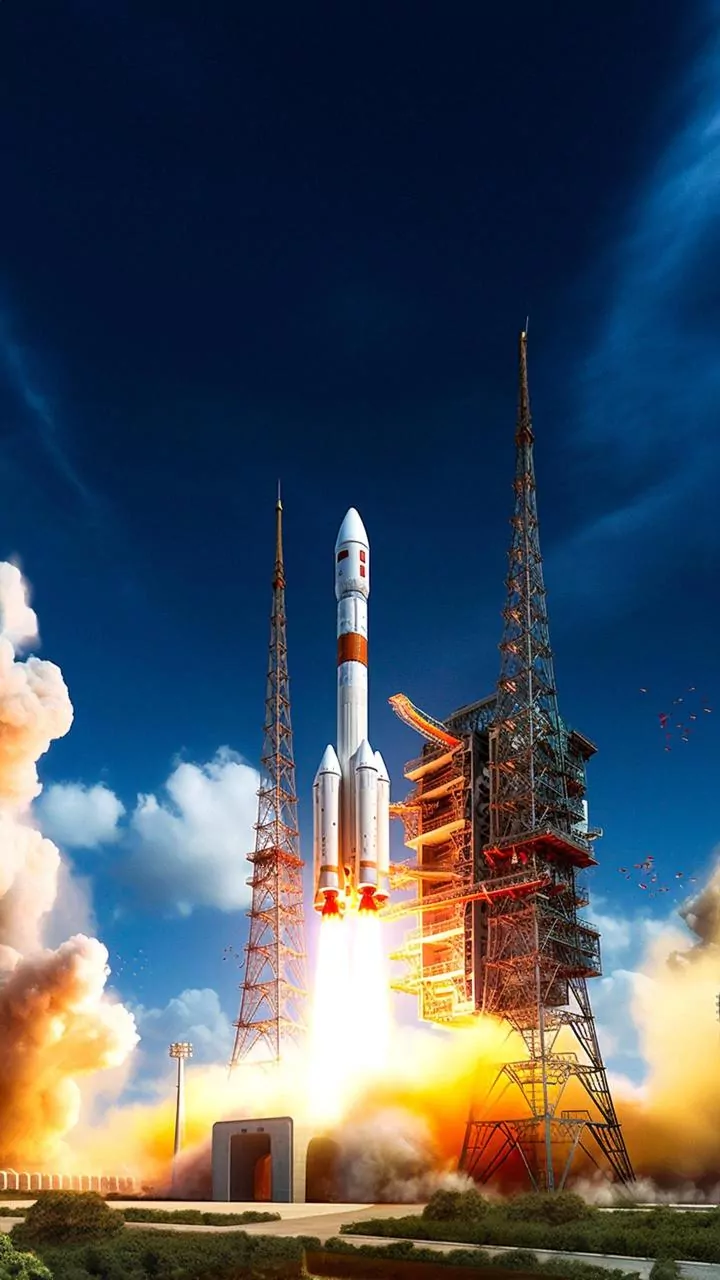
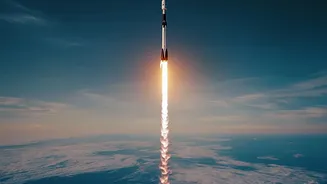
This year's theme, 'Rocket Revolution', focuses on the dramatic shift in how we access space. For decades, launching anything into orbit was an incredibly expensive, government-led affair using single-use rockets. That paradigm is now being dismantled. The revolution is defined by several key trends: the rise of reusable rockets that can land back on Earth, the emergence of private companies driving innovation, the development of smaller and more cost-effective launch vehicles, and a resulting increase in launch frequency. This shift is democratizing space, making it more accessible to startups, universities, and a wider range of countries than ever before.
Sriharikota: India’s Engine Room
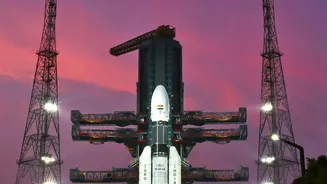
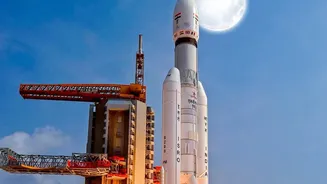
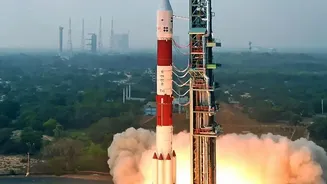
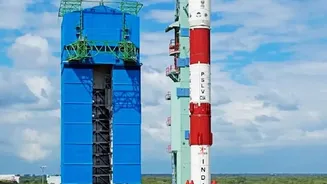
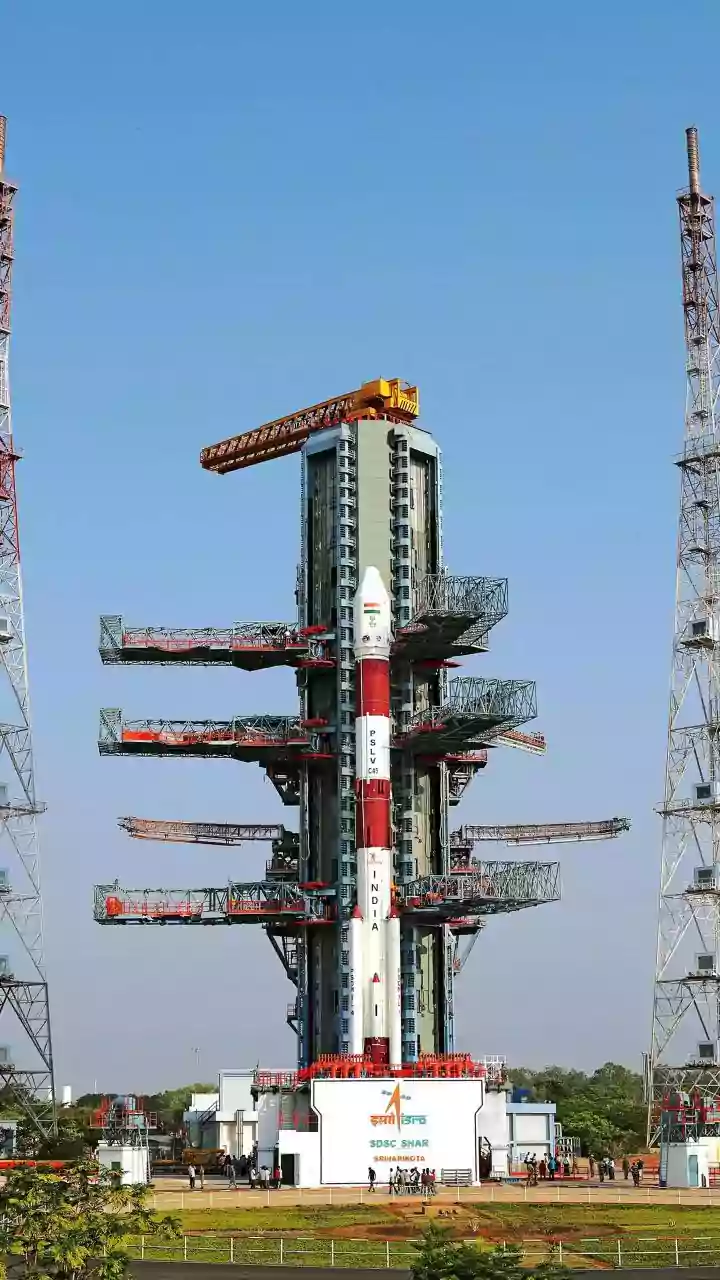
At the centre of India's contribution to this revolution is the Satish Dhawan Space Centre (SDSC) in Sriharikota. This spaceport is the launchpad for all of India's orbital missions, from the workhorse Polar Satellite Launch Vehicle (PSLV) to the powerful Launch Vehicle Mark-3 (LVM3), which carried the historic Chandrayaan-3 mission to the moon's south pole. While ISRO has a long history of developing reliable and cost-effective launch technology, its focus is now evolving. The 'Rocket Revolution' in India isn't just about building bigger rockets; it's about fundamentally changing how they are built and operated.
A New Era: Private Industry Takes the Helm
A crucial part of India's modern space strategy is the strategic transition of rocket manufacturing from ISRO to the private sector. In a landmark policy shift, ISRO will increasingly focus on research, deep-space exploration, and developing next-generation technologies. The end-to-end production of proven vehicles like the PSLV and LVM3 will be handed over to industrial consortia. This move is designed to dramatically scale up India's launch capacity and foster a vibrant domestic space economy, which is projected to grow from around $8 billion today to over $40 billion by 2033. This new ecosystem allows private firms to innovate, bringing fresh investment and energy to the launch sector.
Why the Revolution Matters for India
So, why should the average person care about a 'Rocket Revolution'? Because cheaper, more frequent, and more reliable access to space has tangible benefits on Earth. It means more satellites for better communication networks, more accurate weather forecasting, and enhanced monitoring of climate change and natural resources. For India, it solidifies its position as a major global space power, capable of not only launching its own ambitious missions like Gaganyaan (the crewed spaceflight program) but also of competing in the lucrative global launch market. This revolution fuels economic growth, creates high-tech jobs, and inspires a new generation of scientists and engineers to push the boundaries of what's possible.