



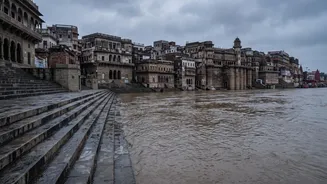
Monitor Official Advisories and River Levels
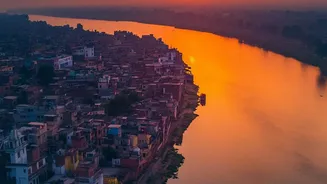
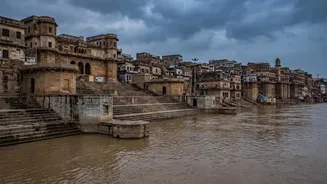
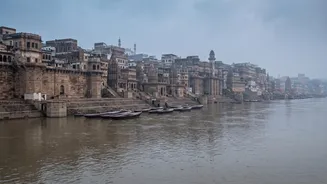
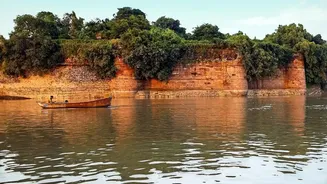
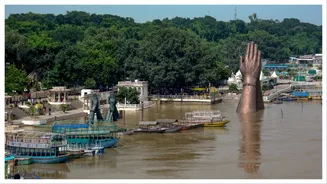
Before and during your trip, stay updated on the ground situation. As of early September 2026, the Ganga's water level in Varanasi has crossed the official warning mark and continues to rise. This has prompted authorities to take immediate precautionary
measures. The Central Water Commission (CWC) provides regular updates on river levels, which are often reported by local news outlets. Checking these sources daily will help you understand which areas are accessible and what restrictions are in place. The danger level for the Ganga in Varanasi is 71.26 meters; knowing the current level helps you gauge the seriousness of the situation.
Heed the Ban on Boat Operations
Local authorities have suspended all boat operations on the Ganga due to the high water levels and strong currents. This is a critical safety measure. Visitors should avoid seeking out unofficial or unauthorized boat rides, which can be extremely dangerous under these conditions. The iconic sunrise and sunset boat tours, a highlight for many travelers, are not an option when these bans are active. The National Disaster Response Force (NDRF) and local police are monitoring the river, and their instructions should be followed without question. Attempting to circumvent the ban not only risks your safety but also puts rescuers in jeopardy.
Exercise Extreme Caution on the Ghats
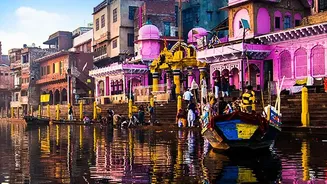
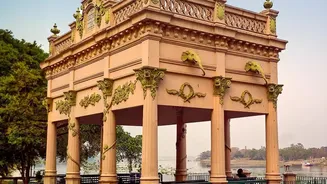
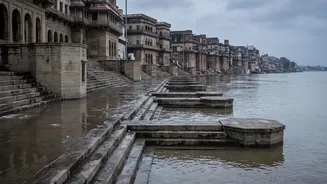
Varanasi’s 84 ghats, the stone steps leading to the river, are central to its identity. However, with the river above the warning level, many of these ghats are partially or completely submerged. The wet stone is incredibly slippery, and the floodwaters conceal hidden steps and debris. Officials have explicitly urged both residents and tourists to stay away from the ghats. Even accessing the famous evening Ganga Aarti ceremony may be difficult or require watching from a distance, as some rituals have been moved to rooftops. The Manikarnika Ghat, the primary cremation site, has also been inundated, forcing rites to be conducted on the rooftops of adjacent buildings.
Prepare for Waterlogging and Transport Delays
The rising Ganga is not the only issue; its tributary, the Varuna river, has also caused significant flooding and waterlogging in several city localities. This can lead to unexpected road closures and traffic diversions, making travel within the city more difficult. When planning your itinerary, build in extra time for getting from one place to another. Rickshaws and taxis may not be able to access certain areas. Keep your hotel's address and phone number handy, and consider using digital maps to check for closures before you head out.
Prioritize Health and Hygiene
Flood conditions can heighten health risks. It is more important than ever to drink only sealed bottled or properly filtered water. Be cautious with street food, especially items that are raw or washed in water of uncertain purity. Opt for food that is served hot and fresh from busy, reputable vendors. The humid weather and standing water also lead to an increase in mosquitoes, so using insect repellent is a wise precaution to prevent mosquito-borne illnesses. Pack a small medical kit with essentials for stomach ailments, as your body may react differently to the local food and water.
Pack Smart and Have a Flexible Plan
Your packing list for a monsoon trip to Varanasi should be strategic. Include footwear with excellent grip to handle slippery surfaces. A high-quality umbrella or raincoat is essential, as downpours can be sudden and intense. Given that access to key riverside attractions is severely limited, be prepared to alter your plans. This might be a good opportunity to explore sights further from the river, such as the temples and university grounds, or the nearby archaeological site of Sarnath. A flexible mindset is your best asset when traveling during a period of high water.