


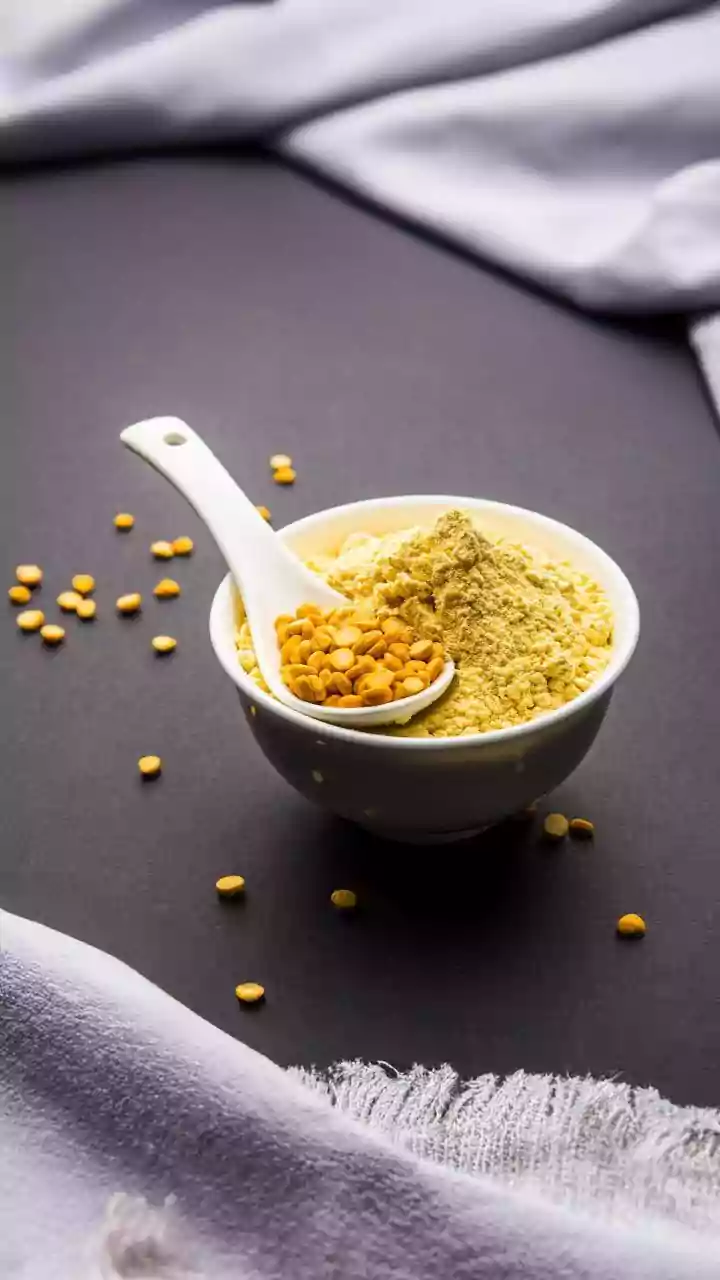



The Challenge of the Perfect Roll
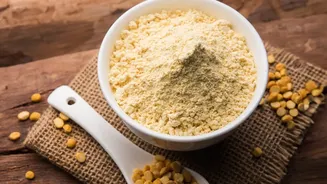
Suralichi Vadi, also known as Khandvi in Gujarati cuisine, is a melt-in-your-mouth marvel. Made from a simple batter of gram flour (besan) and buttermilk or yogurt, these savoury rolls are light, healthy, and utterly delicious. However, many home cooks
are intimidated by the process. Common complaints include the batter breaking upon rolling, failing to set properly, or being too thick to spread. The finesse required can be frustrating, but the truth is that success hinges on understanding a few key principles, not a secret ingredient.
The Science of the Spread
The headline claim is the single most important secret to success: the batter must be spread immediately while it is piping hot. There is a simple scientific reason for this. The cooking process denatures the proteins in the gram flour and causes the starches to gelatinize. As the mixture cools, it rapidly begins to set and firm up, transitioning from a spreadable paste to a solid gel. If you wait even a few minutes, the batter will become too stiff, making it impossible to spread thinly and evenly. A thick, uneven layer is the primary cause of cracking when you attempt to roll the vadi. Speed is of the essence.
Mastering Batter Consistency
Before you even think about spreading, your batter must be flawless. A lumpy or improperly balanced batter is doomed from the start. The ideal ratio is typically one part gram flour to three parts liquid (buttermilk or a mix of yogurt and water). Using sour buttermilk or yogurt adds the characteristic tangy flavour. To avoid lumps, sift the gram flour first. Then, use a whisk to combine the flour with the yogurt before gradually adding water, mixing continuously until you have a smooth, thin batter with no lumps. Some recipes even suggest straining the batter to guarantee a silky-smooth texture.
Cooking to Perfection
The next critical phase is cooking the batter. This should be done on a low to medium flame in a heavy-bottomed or non-stick pan. The key is to stir constantly and vigorously. At first, the batter will be very liquid, but it will begin to thicken. Keep stirring to prevent it from sticking to the bottom and forming lumps. The mixture is ready when it becomes a thick, glossy paste that starts to pull away from the sides of the pan. A reliable way to check for doneness is the plate test: spread a tiny amount of the batter on a greased plate. After a minute, if you can easily peel it off and roll it up, the batter is perfectly cooked. If it's sticky or won't roll, it needs more cooking.
Flawless Spreading and Rolling
Once your batter is cooked, you must work quickly. Have your spreading surfaces ready before you start cooking. Greased steel plates (thalis), a clean kitchen countertop, or even aluminum foil work well. Pour a ladleful of the hot batter onto the surface and use a spatula or the back of a flat bowl to spread it into a very thin, even layer. The thinner the spread, the more delicate the roll. Allow the spread sheets to cool for a few minutes until they are set. Then, use a knife or pizza cutter to slice them into strips about two inches wide. Gently lift the edge of a strip and roll it up tightly but carefully to form the classic spiral shape.