





Understanding How These Medications Work
Mounjaro and Wegovy belong to a class of drugs called GLP-1 receptor agonists. They work by mimicking a natural hormone that signals fullness to your brain and, crucially, slows down how quickly your stomach empties. This dual action is why users often
feel full much faster and for longer, naturally leading to a reduced appetite and lower calorie intake. While this is excellent for weight loss, it presents a new challenge: ensuring your body gets all the nutrients it needs from a smaller amount of food and avoiding discomfort from the slowed digestion.
The Shift to Smaller, More Frequent Meals
Because food stays in the stomach longer, large meals can lead to uncomfortable side effects like nausea, bloating, acid reflux, and general discomfort. Many users and dietitians find that switching from three large meals to four to six smaller, more frequent ones can make a significant difference. This approach helps prevent overwhelming the digestive system, provides a steady stream of energy, and allows you to better listen to your body’s new fullness cues. The goal is to eat until you are comfortably satisfied, not stuffed.
Prioritise Protein to Protect Muscle
When you're eating less and losing weight, getting enough protein is non-negotiable. Protein is vital for preserving lean muscle mass, which is crucial for maintaining a healthy metabolism. Without adequate protein, your body may start breaking down muscle tissue for energy instead of just fat. Aim to include a source of lean protein in every meal and snack. Good options include chicken or turkey breast, fish, eggs, Greek yoghurt, cottage cheese, tofu, and legumes like beans and lentils. Some experts recommend a higher daily protein intake, around 1.2 to 1.6 grams per kilogram of body weight, during active weight loss on these medications.
Focus on Nutrient-Dense Foods
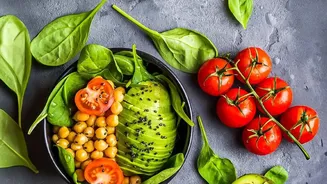
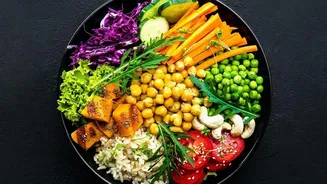
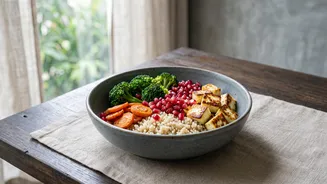
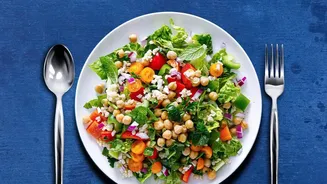
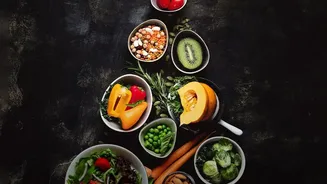
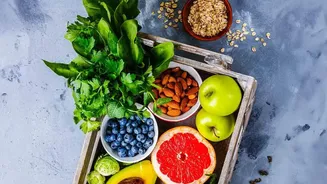
With a reduced appetite, every bite counts. It becomes essential to choose foods that are packed with vitamins, minerals, and fibre. Fibre is especially important for helping to prevent constipation, which can be another side effect of slowed digestion. Fill your plate with a variety of non-starchy vegetables like leafy greens, broccoli, and peppers. Incorporate whole grains such as oats, quinoa, and brown rice, along with low-glycemic fruits like berries. These foods provide sustained energy and essential micronutrients without adding excessive calories.
Foods and Drinks to Approach with Caution
Certain foods can aggravate the gastrointestinal side effects of Mounjaro and Wegovy. High-fat, greasy, and fried foods are common culprits because they are harder to digest and can sit in the stomach for too long, causing nausea and bloating. Highly processed foods, sugary drinks, and refined carbohydrates can also cause issues and work against blood sugar regulation goals. While no food is completely off-limits, many users find they feel better when limiting spicy foods and alcohol, as these can also trigger discomfort. It's about listening to your body and noticing which foods you tolerate well.
Hydration Is Key, But Timing Matters
Staying hydrated is always important, but it's crucial on these medications to help manage side effects like constipation and dizziness. Water is the best choice. However, drinking large amounts of liquid with your meals can contribute to that overly full, bloated feeling. A helpful strategy is to sip water and other low-sugar beverages between meals rather than during them. This ensures you stay hydrated without taking up valuable stomach space when you're trying to get your nutrients in.