

A Different Kind of Flood
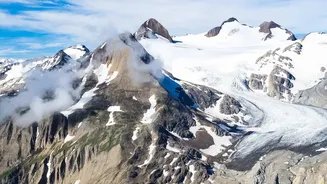
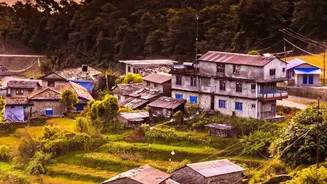
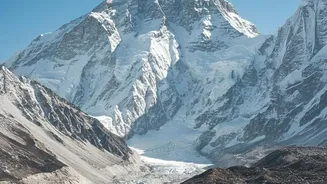
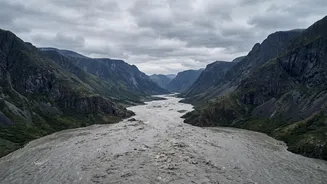
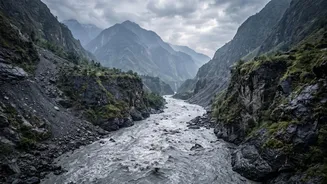
The disaster that struck northern Nepal on August 26, 2026, wasn't a typical monsoon flood. Instead of rising waters from rainfall, a sudden, catastrophic torrent of water, ice, and debris tore through the Bhote Koshi and Trishuli river valleys. Scientists
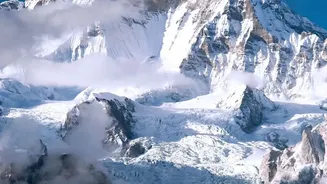
believe the trigger was a massive ice and rock avalanche from a glacier high on the Nepal-Tibet border. This collapse sent a powerful surge downstream, wiping out homes, bridges, and hydropower projects with almost no warning. The event was so powerful it registered as a seismic event. These cascading hazards—where one event like a glacial collapse triggers another, like a flash flood—are a hallmark of the new risks emerging in the world's highest mountains.
The Specter of Glacial Lake Outbursts
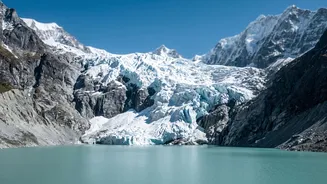
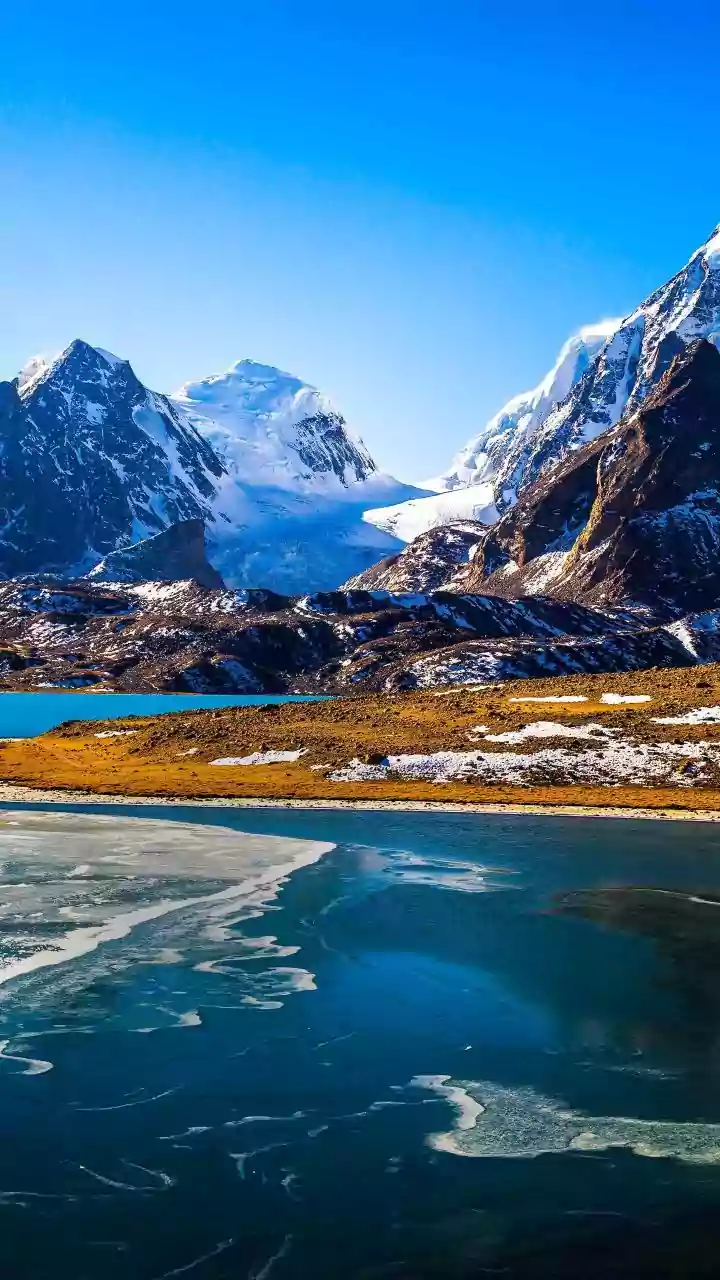
A key challenge in the Himalayas is the growing threat of Glacial Lake Outburst Floods, or GLOFs. As climate change accelerates glacier melt, vast new lakes are forming, often held back by unstable natural dams of rock and soil called moraines. These moraine dams can fail due to various triggers, including earthquakes, heavy rain, or simply the pressure of the ever-expanding lake. When they break, they release a tsunami-like wave of water and debris downstream. The recent Nepal disaster, while likely triggered by an ice avalanche, shares the destructive characteristics of a GLOF and highlights the unpredictability of these high-altitude threats. Nepal has experienced at least 24 GLOF events in the past, and scientists have identified dozens of other potentially dangerous lakes across the Himalayas, including in India.
A Monitoring Blind Spot
So why can’t we just monitor these hazards? The answer lies in the sheer difficulty and complexity of the Himalayan environment. The terrain is remote, rugged, and often inaccessible, making the installation and maintenance of ground-based sensors incredibly challenging and expensive. Many of these hazards, like the one that caused the recent flood, originate in transboundary areas, requiring cross-border data sharing that can be hampered by geopolitical issues. While satellite imagery helps, it doesn't always provide the real-time data needed to issue timely warnings for rapid events like an avalanche-triggered flood. Unlike rainfall-based floods, where forecasts can provide hours or days of warning, GLOFs and similar events can occur in minutes, leaving little time for communities to react.
Climate Change as a Threat Multiplier
Underlying all these challenges is the accelerating pace of climate change. The Himalayas are warming at a rate significantly faster than the global average. This rapid warming is not only causing glaciers to retreat and lakes to expand but is also thawing permafrost—the frozen ground that acts like glue holding mountain slopes together. Thawing permafrost destabilizes slopes, increasing the risk of landslides and rockfalls that can crash into glacial lakes or directly into rivers, triggering floods. In essence, climate change is making the entire mountain system more fragile, unpredictable, and dangerous, increasing the frequency and severity of these catastrophic events.
Why This Matters for India
The disaster in Nepal is a stark warning for the entire Himalayan region, including India. States like Uttarakhand, Himachal Pradesh, Sikkim, and Arunachal Pradesh face identical threats. The 2021 Chamoli disaster in Uttarakhand was another devastating example of a cascading hazard event. Many of the major river systems that are lifelines for northern India originate in the Himalayas, often in glaciers and lakes in Nepal or the Tibet Autonomous Region of China. A disaster upstream can have severe consequences downstream, as tragically evidenced by flood victims' bodies being carried as far as Uttar Pradesh. This shared vulnerability underscores the urgent need for enhanced regional cooperation on data sharing, early warning systems, and disaster management strategies. A hazard in Nepal is a potential disaster for India, making monitoring and resilience a shared responsibility.