


Ghee: The Golden Fat
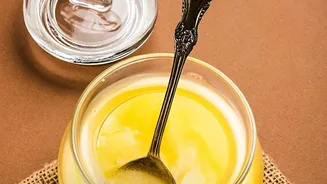
Ghee, a form of highly clarified butter, has been a cornerstone of Indian cooking for millennia. It's made by simmering butter to remove water and milk solids, leaving behind pure butterfat. This process gives it a high smoke point, making it perfect
for contemporary cooking methods like searing, roasting, and stir-frying without breaking down into harmful free radicals. Beyond its culinary benefits, it’s a source of fat-soluble vitamins like A, E, and K. Modern uses are simple: use it to fry eggs, drizzle it over roasted vegetables, toss it with popcorn, or add a spoonful to your morning coffee for a rich, nutty flavour boost. Since it contains only trace amounts of lactose and casein, it's often a suitable choice for those with dairy sensitivities.
Millets: The Ancient Grains
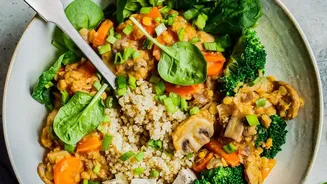
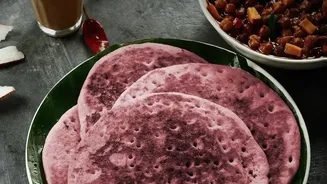
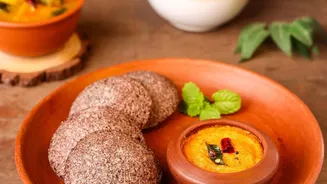
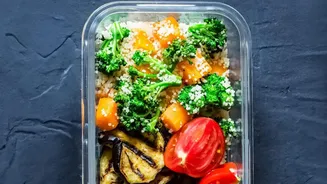
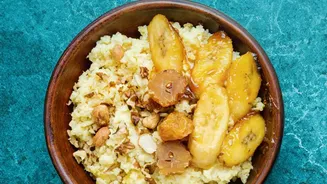
Millets like ragi (finger millet), bajra (pearl millet), and jowar (sorghum) are ancient grains making a major comeback. Naturally gluten-free and packed with fibre, calcium, and iron, they are incredibly versatile. Traditionally used in rotis and porridges, millets can be seamlessly integrated into modern diets. You can use millet flour in pancakes, muffins, and cookies. Cooked whole millets can be a base for salads, a substitute for rice in a stir-fry, or the foundation for a hearty breakfast bowl topped with fruits and nuts. You can even make a creamy porridge or a savoury upma with them.
Lentils: The Protein Powerhouse
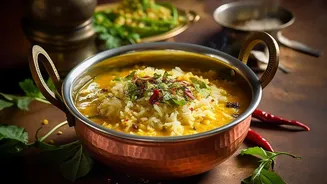
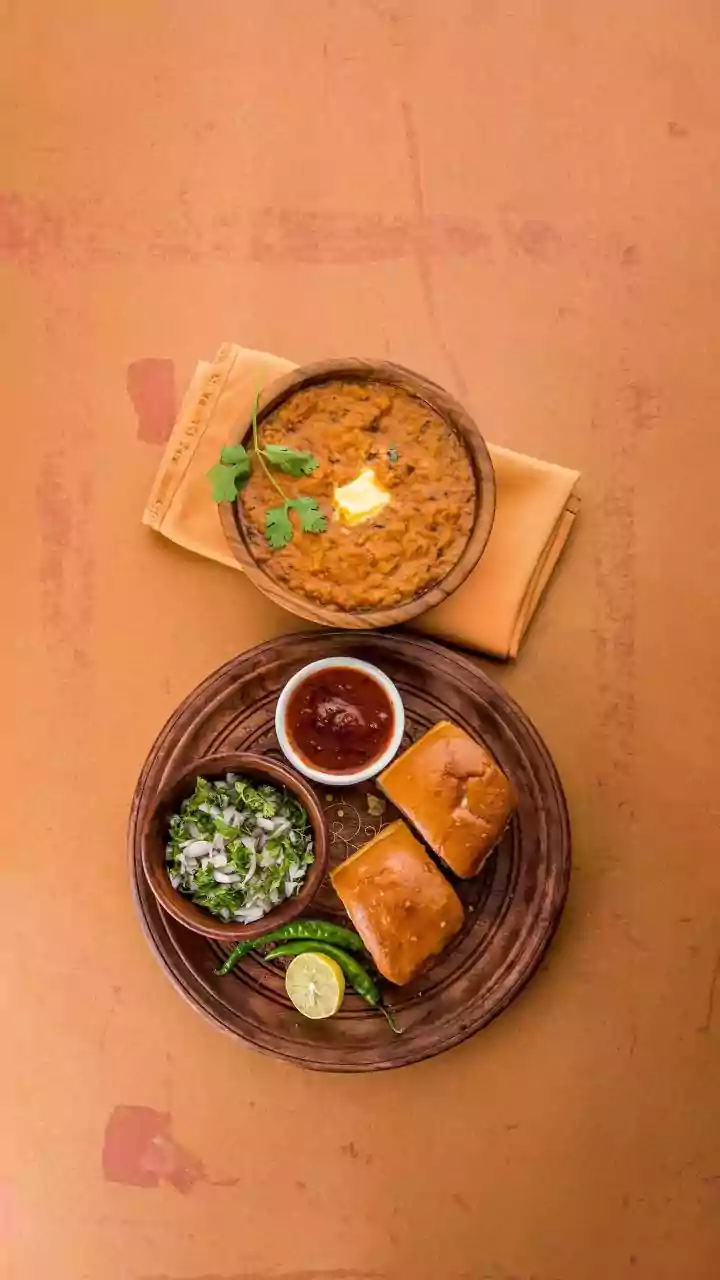
Lentils, or dal, are a fundamental part of Indian cuisine, but their use extends far beyond traditional preparations. This protein-rich staple is inexpensive and cooks quickly. While dal tadka is a classic comfort food, lentils can be adapted for a variety of modern dishes. Use cooked lentils to form the base for vegetarian burgers and patties. Toss them into salads for a boost of protein and texture, blend them into hearty soups, or even incorporate them into pasta sauces for added substance and nutrition. They are also a key ingredient in dishes like samosas and dosas.
Jaggery: The Unrefined Sweetener
Jaggery, also known as 'gur', is a traditional unrefined sugar made from sugarcane juice or palm sap. It has a rich, caramel-like flavour and retains more nutrients like iron and magnesium compared to refined white sugar. In modern cooking, jaggery powder can be used as a one-to-one substitute for brown sugar in baking, adding moisture and depth to cookies, muffins, and banana bread. It dissolves easily in liquids, making it perfect for sweetening tea, coffee, and smoothies. You can also use it to create balanced sauces and marinades, where its earthy sweetness complements savoury and tangy flavours.
Turmeric: The Golden Spice
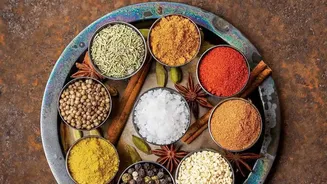
Turmeric's vibrant colour and earthy flavour are iconic in Indian curries, but its contemporary uses are endless. This spice is celebrated for its anti-inflammatory properties. An easy way to incorporate it is by adding a teaspoon to the water when cooking rice or quinoa, giving the grains a beautiful golden hue. Whisk it into scrambled eggs or frittatas, blend it into smoothies, or sprinkle it over roasted vegetables before they go into the oven. A pinch of turmeric can also add warmth to salad dressings and soups. For a soothing beverage, try making 'golden milk' by simmering turmeric with milk and a dash of cinnamon.
Tamarind: The Tangy Pod
Tamarind is a fruit that provides a unique sweet and sour flavour. While essential in dishes like sambar and various chutneys, its tangy pulp, often sold as a paste or block, is a fantastic addition to the modern pantry. Use tamarind paste to create a zesty vinaigrette for salads or a marinade that tenderizes meat. Its sour notes can balance the richness in barbecue sauces and glazes for grilled chicken or fish. Tamarind is also the star flavour in many refreshing drinks and can be used to make tangy coolers, sodas, and even cocktails.
Amaranth: The Super Seed
Like quinoa, amaranth (or 'rajgira') is a pseudocereal, a seed that is consumed like a grain. It’s a complete protein, containing all essential amino acids, and is high in iron and gluten-free. Traditionally used in fasting recipes and sweets, amaranth has found its place in modern health-conscious diets. It can be cooked into a creamy porridge for breakfast, similar to oatmeal, and topped with fruit or avocado. You can also 'pop' the seeds like popcorn in a dry pan for a crunchy topping on salads and yogurts or use them to make homemade granola and energy bars.