




A National Connectivity Mission
At the heart of this change is a concerted push to enhance national infrastructure, most notably through ambitious programmes like the Bharatmala Pariyojana. This initiative aims to optimize the efficiency of road travel across India by developing a network
of economic corridors, expressways, and feeder routes. While the primary goals are to boost economic activity and reduce logistics costs, a significant and exciting side effect has been the transformation of tourism. By drastically cutting travel times between major cities and remote areas, the new road network is effectively stitching together standalone tourist spots into cohesive and accessible travel circuits, encouraging travellers to explore more in a single trip.
The Expressway Effect: Heritage and Wildlife Corridors
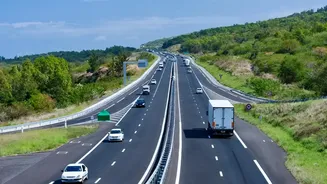
Nowhere is this trend more visible than along the new expressways. The Delhi-Mumbai Expressway, for instance, is set to slash travel time between the two metros from over 30 hours to just 12. More importantly, it functions as a tourism corridor, linking destinations like Jaipur, Sariska Tiger Reserve, Ranthambore, and Ahmedabad. This allows a traveller to seamlessly combine a heritage tour of Rajasthan with a wildlife safari and a cultural visit to Gujarat. Similarly, Maharashtra's Samruddhi Mahamarg now connects pilgrimage centres like Shirdi and Trimbhakewar with the world-famous Ajanta and Ellora caves, creating a comprehensive spiritual and historical itinerary. The Bundelkhand Expressway has done the same for heritage sites like Khajuraho, Orchha, and Chitrakoot.
Conquering the Mountains with All-Weather Roads
High-altitude regions, once accessible for only a few months a year, are also opening up. The Atal Tunnel in Himachal Pradesh is a prime example of engineering transforming travel. By bypassing the treacherous Rohtang Pass, the tunnel provides year-round connectivity to the Lahaul-Spiti valley. A journey from Manali to Keylong that previously took up to eight hours can now be done in about ninety minutes. This has not only boosted the local economy but has turned the entire region into a more accessible circuit for adventurers and leisure travellers alike, even in winter. The number of tourists visiting Lahaul and Spiti has seen a massive jump since the tunnel's opening. Similar projects, like the Sela Tunnel in Arunachal Pradesh, are creating safer and faster all-weather routes in the Northeast.
Beyond the Drive: The Ripple Effect
This boom in connectivity is creating a ripple effect that extends far beyond the asphalt. The predictability and ease of travel are encouraging a new wave of 'drive-cations', where the journey itself is part of the experience. This has spurred the growth of ancillary services in previously overlooked towns and villages. Homestays, local restaurants, and handicraft sellers along these new corridors are finding new economic opportunities as travellers stop to explore. Furthermore, this improved access is helping to diversify tourism. Demand is growing beyond traditional leisure travel to include spiritual tourism, wellness retreats, and wildlife tours, as more destinations become viable options for a weekend trip rather than a long-haul expedition.