


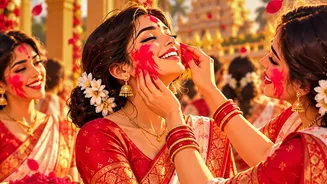

Explore the Historic 'Bonedi Bari' Pujas
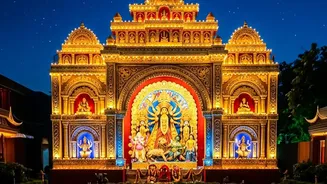
Step away from the massive community pandals and into the courtyards of Kolkata's old aristocratic families. These 'Bonedi Bari' pujas are held in centuries-old mansions, offering a glimpse into the festival's rich heritage and traditions. Unlike the theme-based
public pujas, these are intimate family affairs steeped in history, with unique rituals passed down through generations. Pujas at Sovabazar Rajbari, which dates back to 1757, and Jorasanko Daw Bari are iconic stops where you can witness customs that have remained unchanged for over 200 years. Many of these homes in North Kolkata, like those in Pathuriaghata and Jorasanko, are open to visitors, allowing you to experience the authentic, traditional spirit of the celebration.
Embark on a Culinary Street Food Tour
Durga Puja is as much a feast for the stomach as it is for the eyes. The streets around the pandals transform into a massive food trail. This is the perfect time to indulge in Kolkata's legendary street food. Grab a Kathi Roll, a paratha wrapped around spiced fillings, for a perfect on-the-go meal. Don't miss out on Phuchka, the city's beloved version of pani puri, or a plate of Ghugni, a savoury curry made from dried yellow peas. For something more substantial, look for stalls selling Mughlai Paratha, a flaky, deep-fried parcel filled with egg or minced meat, often served with a simple potato curry. Many also flock to stalls for a classic Fish Fry served with tangy kasundi mustard.
See the City from the Hooghly River
Escape the crowded streets and gain a unique perspective of the illuminated city with a cruise on the Hooghly River. Several operators, including the West Bengal Tourism Development Corporation, offer special Durga Puja cruises. These boat trips provide stunning views of the ghats, the iconic Howrah Bridge and Vidyasagar Setu, and the city skyline lit up for the festival. On Dashami, the final day, special immersion cruises let you witness the poignant ceremony of the idols being immersed in the river, complete with cultural performances and traditional Bengali food onboard. It's a serene and memorable way to experience the festival's emotional culmination.
Discover the Artisans of Kumartuli
To truly appreciate the artistry of Durga Puja, a visit to Kumartuli is essential. This is the traditional potters' quarter where generations of artisans craft the magnificent clay idols of the goddess and her children. While the weeks leading up to the puja are the busiest, visiting during the festival offers a different perspective—a chance to see the studios after the masterpieces have departed and witness the beginnings of creations for other upcoming festivals. You can feel the artistic soul of the neighbourhood and see the immense craftsmanship that forms the backbone of the entire celebration.
Go on a Festive Shopping Spree
For Bengalis, Durga Puja is synonymous with new clothes, making it the biggest shopping season of the year. Dive into the festive rush at Kolkata’s iconic markets. Gariahat and Hatibagan are famous for their vast collections of traditional Bengali sarees, from classic Tant to elaborate silks. New Market, a sprawling Victorian-era market, offers a bit of everything under one roof, from clothing and jewellery to sweets. For a calmer experience, visit Dakshinapan Shopping Complex, which features fixed-price shops selling handicrafts and textiles from across the state. It's a great opportunity to buy traditional attire or pick up unique souvenirs.
Soak in Colonial and Cultural History
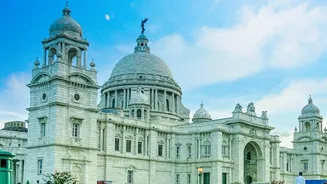
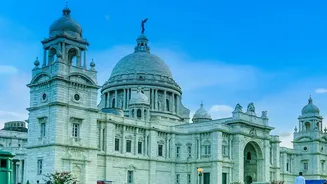
During the day, before the evening pandal-hopping rush begins, take the time to explore Kolkata’s historical landmarks. The magnificent Victoria Memorial, with its lush gardens, is a must-visit. The Indian Museum, one of the oldest in the world, houses incredible collections, including a 4,000-year-old Egyptian mummy. A walk around Dalhousie Square (B.B.D. Bagh) reveals the city's stunning colonial architecture, offering a quiet contrast to the festive chaos elsewhere. These sites provide a deeper understanding of the city's rich past, which forms the backdrop for its vibrant present.