


The Growing Desire for 'Empty Space'
The post-pandemic world has reshaped our priorities, and travel is no exception. A collective craving for personal space is driving a move away from the frantic, checklist-driven holidays of the past. Experts note a significant shift from simply seeing
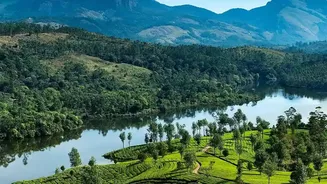
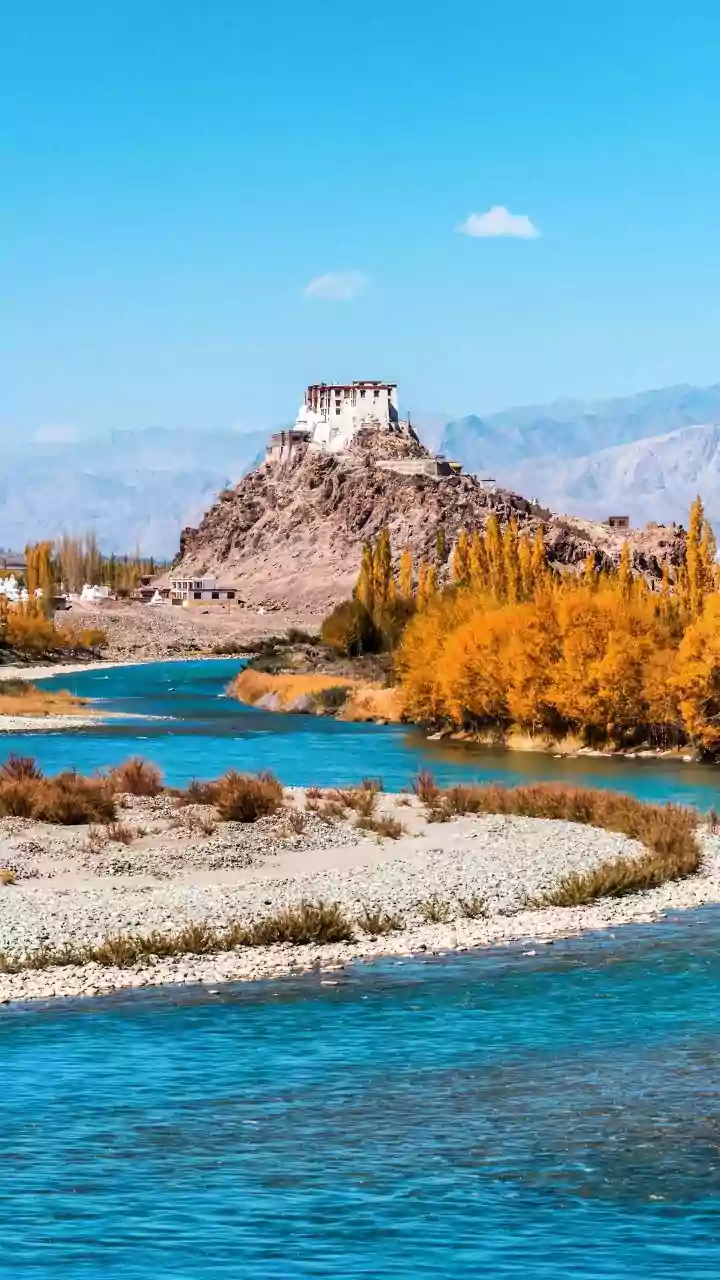
as much as possible to truly experiencing a destination. This has led to a surge in interest for more private and secluded getaways. Think private villas over crowded resorts, and remote nature retreats instead of bustling city centers. Studies show that travellers are increasingly looking for experiences that help them reset and gain perspective, with many expressing a need for fresh air and contact with nature to relax. This trend, sometimes called 'slow travel', encourages longer stays in one place, allowing for a deeper connection with the local culture and environment. The goal is no longer to return home with a camera full of landmarks, but with a renewed sense of self.
The Return of the Human Touch
In an age where artificial intelligence can plan a trip in seconds, a surprising trend is emerging: the comeback of the human travel advisor. While AI is a useful tool for research, many travellers are finding that more options lead to more confusion. The sheer volume of online information has created decision fatigue, pushing people back towards trusted, expert curation. According to recent industry reports, a majority of people are more likely to use a travel advisor now than in the past, with even younger generations like Millennials and Gen Z driving this resurgence. The modern travel agent offers more than just bookings; they provide hyper-personalization, insider knowledge, and advocacy when things go wrong. When a flight is cancelled or a hotel is not as advertised, an algorithm can't solve the problem with the same finesse as a human with industry relationships. This 'travel trust equation' is proving that while technology is helpful, human expertise is becoming the ultimate differentiator.
Slow Travel Is the New Luxury
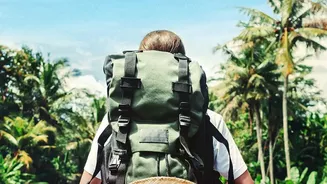
Combining the desire for space and authentic connection is the philosophy of 'slow travel'. It is a conscious rejection of the bucket-list sprint. Instead of rushing between cities, the focus is on immersing oneself in a single location. This could mean taking regional trains instead of short-haul flights, lingering over meals at local restaurants, and leaving days deliberately unplanned for spontaneous discovery. This mindset shifts the definition of luxury from opulence to time and presence. It’s about making a deeper connection with the places and people you encounter. This approach not only reduces the stress often associated with travel but also supports local communities more directly. As travellers increasingly seek personal growth and meaningful experiences from their journeys, doing less but experiencing it more deeply is becoming the new standard for a fulfilling vacation.
What This Means for Your Next Trip
So, how can you embrace this new era of travel? Start by rethinking what you want from a holiday. Instead of asking 'where?', ask 'why?'. Are you seeking rest, adventure, connection, or learning? Let the purpose guide your planning. Consider destinations that are less crowded and allow for a deeper dive into nature or a specific culture. Instead of trying to fit three countries into ten days, explore one region thoroughly. And don't be afraid to seek professional help. A good travel advisor can act as a collaborator, using their expertise to filter out the noise and craft a journey that aligns with your personal goals. Technology still has its place—as a tool to assist with research or connect with guides—but the focus is shifting back to the quality of the human experience at the heart of the journey.