




The Allure of the 'Health Halo'
We’ve all done it: chosen a product because it loudly proclaims its 'organic', 'gluten-free', or 'high-protein' virtues. This is known as the 'health halo' effect. A single positive attribute can make us believe an entire dish is healthier than it actually
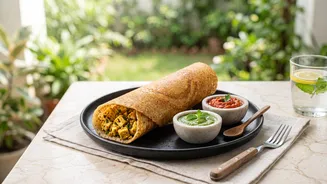
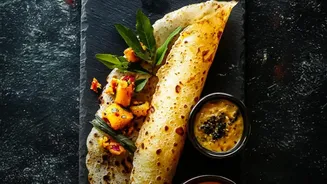
is, often leading us to overlook other factors like high sugar or fat content. The Quinoa Paneer Dosa often wears such a halo. Because quinoa is celebrated as a 'superfood', there's a tendency to see any dish containing it as an automatic health win. This mindset, however, misses the point. It can trick you into thinking a food is a free pass, potentially leading to overconsumption or ignoring the full nutritional picture. An organic soft drink is still full of sugar, and a dosa made with quinoa batter isn't automatically a low-calorie diet food.
Quinoa Batter vs. Traditional Dosa Batter
Let's break down the batter. Quinoa is a nutritional powerhouse, no doubt. It's a complete protein, containing all nine essential amino acids, and is packed with fibre, iron, and magnesium. Compared to white rice, it generally offers more protein and fibre. However, traditional dosa batter, made from fermented rice and urad dal, has its own set of remarkable benefits. The fermentation process makes traditional dosas easier to digest and increases the bioavailability of nutrients like B vitamins and essential minerals. This process breaks down complex carbohydrates and proteins, making them gentle on the stomach. So, while a quinoa batter adds protein and fibre, it shouldn't completely dismiss the digestive and nutritional advantages of a traditionally prepared, fermented dosa batter. The goal isn't to find a 'better' batter but to understand what each brings to the table.
Don’t Forget the Paneer Powerhouse
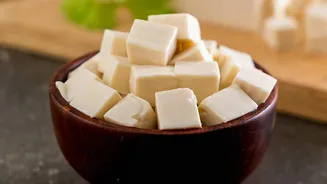
Often, the focus on the quinoa in the batter completely overshadows the hero of the filling: paneer. This fresh Indian cheese is a protein heavyweight. A 100g serving can pack around 18-20 grams of high-quality, complete protein. This protein is crucial for muscle repair, and its high satiety factor helps you feel full and satisfied, which is key for weight management. Paneer is also a fantastic source of calcium, vital for bone health. While the batter provides the foundation, it's the generous paneer stuffing that truly transforms the dosa into a high-protein, substantial meal. In fact, the protein contribution from a good serving of paneer often far exceeds the marginal protein increase from substituting quinoa in the batter. Focusing only on the batter is like praising the bread and ignoring the hearty filling of a sandwich.
From Shortcut to a Recipe Worth Savouring
Viewing this dosa as a mere 'health shortcut' does it a great disservice. It’s a genuinely delicious and innovative recipe that deserves to be appreciated for its culinary merits. The slightly nutty, earthy flavour of quinoa provides a wonderful counterpoint to the creamy, soft paneer. The texture is also unique—a crispy, golden crepe that holds a rich, savoury filling. This isn't just about swapping ingredients for a nutritional checklist; it's about creating a new flavour experience. To make it truly shine, focus on the quality of the components. Use freshly made paneer, season the filling with fragrant spices like cumin, turmeric, and ginger, and add fresh coriander for a burst of brightness. This is a dish to be cooked with care and savoured, not just consumed for its perceived health benefits.
How to Build a Truly Balanced Meal
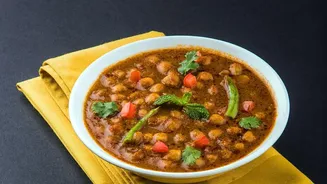
Instead of relying on the 'shortcut' mentality, build a balanced plate. The Quinoa Paneer Dosa is a fantastic centrepiece. Here’s how to elevate it from a snack to a complete, nourishing meal. First, be mindful of the fillings. Don’t just stop at paneer; add finely chopped vegetables like onions, capsicum, and carrots to the mix for added fibre and vitamins. Second, pair it with the right accompaniments. A fresh coconut chutney or a tangy tomato-peanut chutney adds flavour, healthy fats, and antioxidants without the processed sugars of store-bought sauces. A bowl of hot, nutritious sambar on the side not only completes the traditional dosa experience but also adds more lentils and vegetables, further boosting the meal's protein and fibre content. This approach turns a simple dish into a well-rounded, satisfying, and genuinely healthy meal.