



The Manali-Leh Highway: A High-Altitude Classic
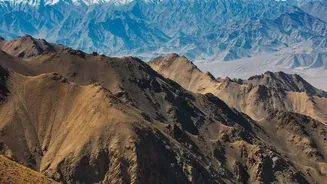
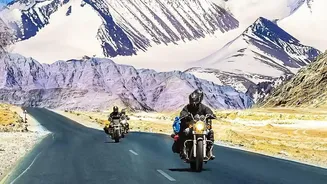
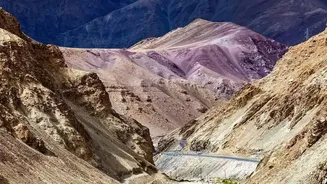
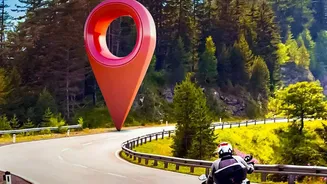
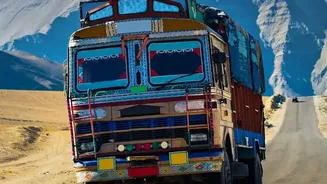
Arguably India's most iconic road trip, this 475-kilometre journey is a bucket-list item for adventurers worldwide. It winds through stark, dramatic landscapes and crosses several of the world's highest motorable passes, including Baralacha La and Tanglang
La. The sheer scale of the scenery is unparalleled. The best and safest window to travel is from June to September, when the high passes are clear of snow and road conditions are most stable. However, altitude sickness is a year-round risk and requires gradual acclimatisation, with many travellers taking two days for the journey. Avoid the early days of its opening in late May or early June, as melting snow can create slush and icy patches. While the monsoon (July-August) is less severe here due to the rain-shadow effect, the stretch from Manali can still experience landslides. The road is completely closed by heavy snow from around October or November until late May.
Shimla to Spiti Valley: A Himalayan Desert Adventure
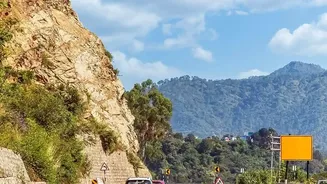
This drive takes you into the remote, high-altitude cold desert of Spiti Valley, a land of ancient monasteries and rugged beauty. The main route is accessible for a longer period than the Manali-Leh highway. The safest time for a full circuit, including the exit via Manali over Kunzum Pass, is from June to September. Many travellers prefer entering from the Shimla side as the gradual ascent helps with acclimatisation. The road via Kinnaur is often open from May to October, but it is notoriously prone to shooting stones and landslides, particularly during and after the monsoon. A winter trip (November to April) is possible via the Shimla route but is extremely challenging and risky. This period brings extreme cold, with temperatures dropping well below freezing, and the constant risk of 'black ice' on roads and sudden closures due to heavy snowfall. A winter journey should only be undertaken with extensive preparation and a flexible schedule.
Gangtok to Gurudongmar Lake: Beauty of the East
Sikkim offers some of the most dramatic mountain scenery in the Eastern Himalayas. The drive from Gangtok towards North Sikkim, visiting places like Lachung, Yumthang Valley, and the high-altitude Gurudongmar Lake, is spectacular. The best times to visit are during the two clear-weather windows: spring (March to May) and autumn (October to mid-December). Spring offers blooming rhododendrons, while autumn provides the clearest views of Kanchenjunga. It is crucial to avoid the monsoon season from late June to September. The region receives heavy rainfall, leading to frequent and severe landslides that can shut down roads for days, especially in North Sikkim. Winter (late December to February) offers a magical snow-covered landscape but comes with its own challenges, including road closures due to heavy snow and ice, making access to high-altitude lakes unpredictable.
The Western Ghats: A Monsoon Spectacle
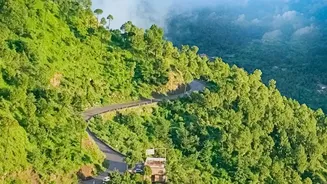
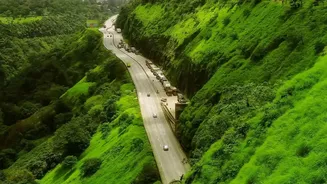
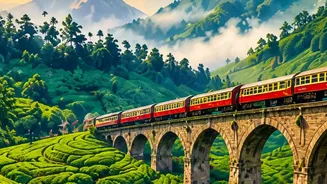
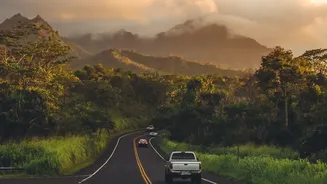
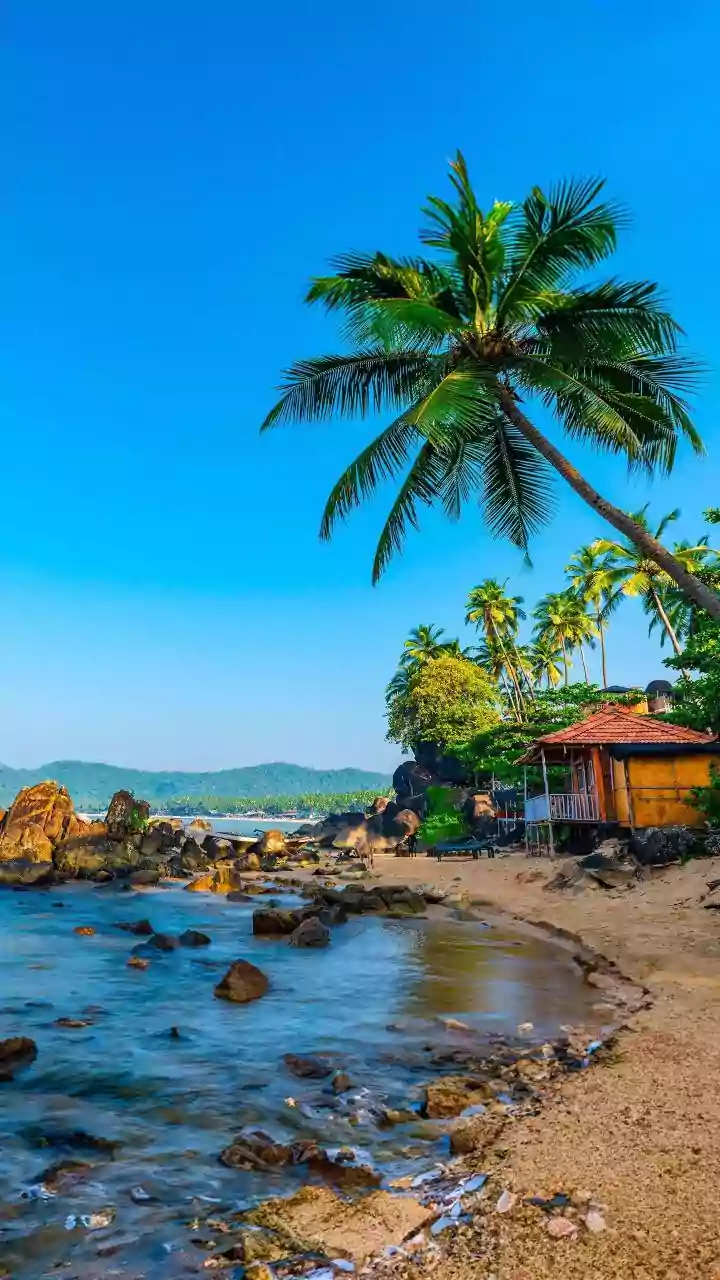
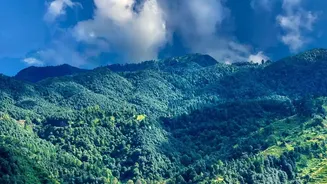
Unlike the Himalayas, the Western Ghats offer a unique driving experience during the monsoon (June to September). The mountains burst into vibrant green, and waterfalls cascade onto the roads. Routes like the drive through the Konkan coast from Mumbai to Goa, or through the tea gardens of Munnar, are incredibly scenic during this time. However, this beauty comes with significant caution. Heavy downpours can cause extremely poor visibility, slick roads, and the risk of landslides in steep ghat sections. It is essential to drive slowly, check local road advisories, and avoid driving at night. High-risk passes are best avoided during peak monsoon. The post-monsoon and winter period, from October to February, offers a safer and more pleasant driving experience with clear skies and lush landscapes.
Valparai's 40 Hairpin Bends: A Southern Challenge
Nestled in the Anamalai Hills of Tamil Nadu, the drive to Valparai is famous for its 40 hairpin bends and breathtaking views over tea plantations. This route is a test of driving skill, demanding caution and control, especially during descents. The road is narrow and winding, and while accessible for much of the year, it requires extra care during the monsoon. Heavy rain can reduce visibility and increase the risk of accidents on the sharp turns. Wildlife sightings, including elephants, are common, adding another layer of unpredictability. Drivers are advised to use lower gears on descents to avoid brake failure and to be constantly vigilant for vehicles coming from the opposite direction on blind corners. Recent safety upgrades like CCTVs have been installed to monitor traffic, but the primary safety factor remains a cautious and experienced driver.