




Understanding the New EV Scheme
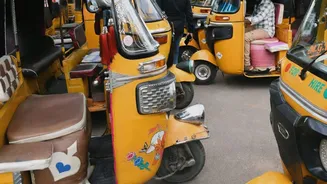
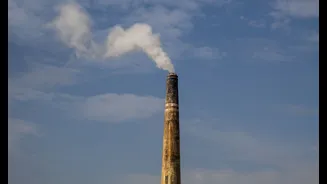
The Telangana Cabinet has approved the 'Telangana Auto Rickshaw Electric Conversion Scheme 2026', a significant initiative with a budget of Rs 200 crore. The primary objective is to tackle air pollution in Hyderabad's Core Urban Region Economy (CURE)
area by encouraging the transition to electric vehicles. The scheme specifically targets the 18,766 petrol and diesel-powered auto-rickshaws currently operating in this zone. For auto drivers, this represents a dual opportunity: reducing their daily expenditure on fuel, which can be a major financial burden, and contributing to a cleaner urban environment. The government's push is part of its broader 'Telangana Rising Vision-2047', which aims for sustainable urban development and a net-zero carbon footprint for the city's public transport system. Leaders from auto driver unions have welcomed the move, highlighting that the lower operating costs of electric vehicles will directly increase drivers' daily earnings and provide much-needed financial relief.
Who Is Eligible for the Assistance?
The scheme is precisely targeted at the owners of 18,766 auto-rickshaws with valid registrations that run on petrol or diesel within the CURE area of Hyderabad. This includes 11,254 diesel and 7,512 petrol vehicles identified by the government. While the funding for the Rs 200 crore program is being pooled from the budgets of the SC, ST, BC, and Minority Welfare departments, the assistance itself is available to all eligible auto owners in the target group, irrespective of their social category. The key requirement is owning one of the specified internal combustion engine (ICE) autorickshaws operating in the designated urban region. This approach ensures that the environmental and economic goals of the scheme are met by focusing directly on the vehicles that need to be converted or replaced, providing a broad-based benefit to the city's auto driver community.
Two Choices: Retrofit or Replace
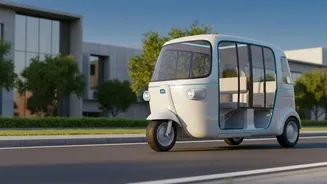
Eligible auto-rickshaw owners are presented with two distinct options to avail the financial assistance. The first option is retrofitting. This allows drivers to keep their existing vehicle's chassis while converting its engine to electric. The government will provide financial assistance of up to Rs 1.5 lakh or the actual cost of the conversion, whichever is lower. This amount covers an AIS-123 approved electric kit, installation charges, and other standard accessories from empanelled vendors. Drivers can choose between a fixed battery system or a swappable one. The second option is to purchase a new electric auto. Under this choice, the owner must surrender their old petrol or diesel auto-rickshaw and buy a new, factory-manufactured electric passenger three-wheeler. For this, the government provides a fixed subsidy of Rs 1.5 lakh. This amount will be directly deducted from the vehicle's on-road price by the empanelled dealer at the time of purchase, simplifying the process for the beneficiary.
How the Scheme Will Be Implemented
To ensure transparency and effective execution, the government is establishing a three-tier monitoring system. At the top will be a State-Level Steering Committee headed by the Principal Secretary of Transport. A Scheme Implementation Committee will function under the Commissioner of Transport to manage the operational aspects. At the local level, District-Level Sanction Committees, led by respective District Collectors, will oversee the approval and disbursal process. This structured approach is designed to streamline applications and ensure that the funds reach the intended beneficiaries efficiently. While detailed application procedures and timelines are expected to be announced soon, auto drivers interested in the scheme should begin preparing their vehicle registration documents and stay updated through official announcements from the Telangana Transport Department. This initiative builds on previous government efforts to support drivers but is the most ambitious yet in its focus on electric mobility.