




A 'Once-in-a-Century' Discovery
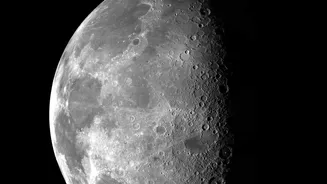
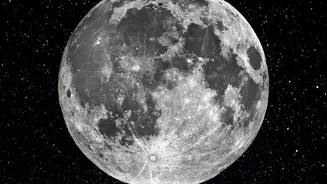
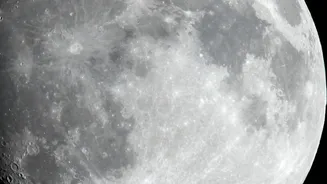
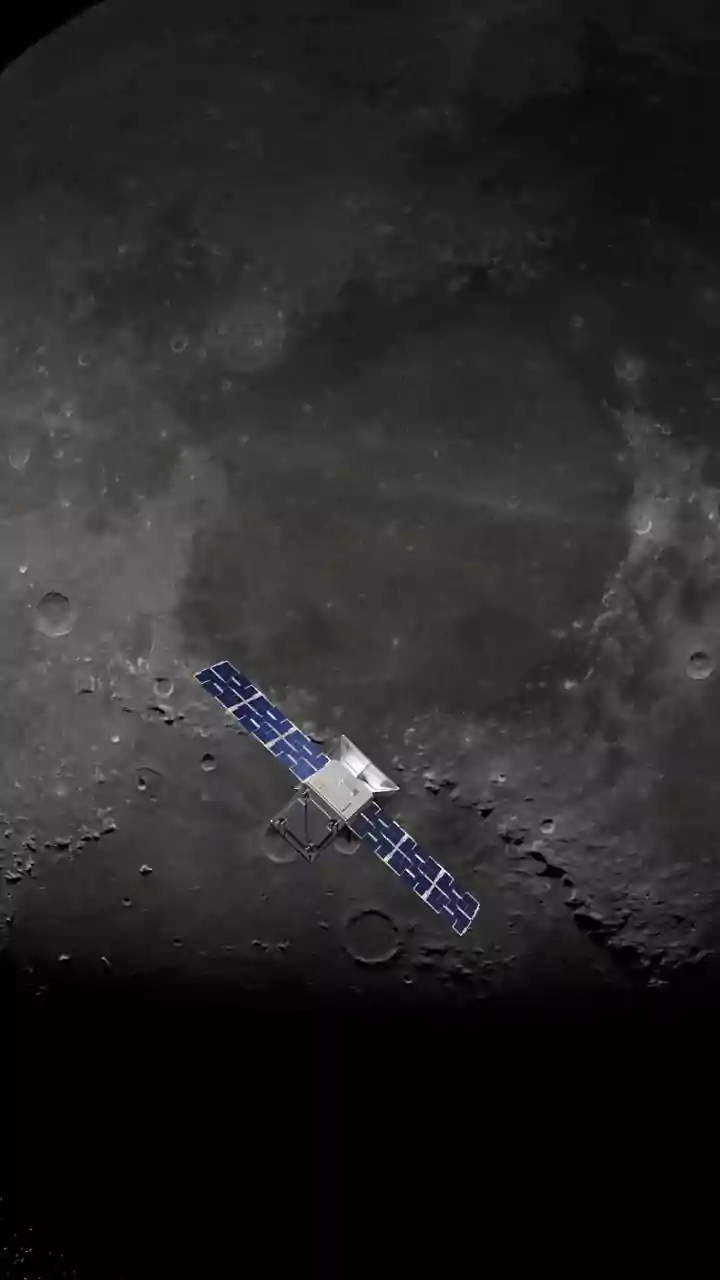
Scientists have discovered a colossal new crater on the Moon, measuring 222 meters (728 feet) across — wider than the Roman Colosseum. The discovery was made possible by NASA's Lunar Reconnaissance Orbiter (LRO), a spacecraft that has been mapping the Moon since
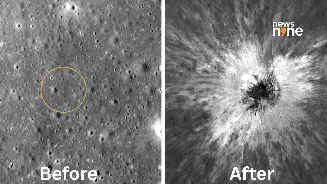
2009. The impact itself is believed to have occurred sometime between April and May of 2024 but went unnoticed at the time. It wasn't until August 2025, during a routine data check, that a researcher spotted a large, bright spot surrounded by a dark halo in the orbiter's images, signaling a major surface change. Follow-up, higher-resolution scans confirmed everyone's suspicions: this was the largest newly formed impact crater ever observed in the solar system. Scientists estimate an impact of this magnitude happens only once every 100 to 130 years, making it an exceptionally rare and valuable observation.
What Caused the Impact?
The object that slammed into the lunar surface was no pebble. Researchers estimate it was a natural body, likely a fragment from an asteroid or comet, with the size of a three- to six-story building. Because the Moon has no atmosphere to burn up or slow down incoming objects, it is constantly bombarded by space debris. However, most of these impacts are far smaller. The LRO mission has identified over 1,000 new craters, but most are created by objects closer to the size of a large truck tire. This particular event was powerful enough to create a crater 43 meters (141 feet) deep and is three times larger than the previous record-holder found by the LRO. The new feature has been officially named McGetchin crater, in honor of the late lunar scientist Thomas McGetchin, who was a pioneer during the Apollo era.
Ripples Across the Lunar Surface
The impact didn't just leave a hole; it dramatically reshaped the surrounding landscape. The collision hurled dust and rock farther and at higher angles than some scientific models had predicted, churning the lunar surface for more than 100 kilometers (over 60 miles) in every direction. Even more surprisingly, an instrument aboard the LRO detected a 7-kilometer-wide (about 4-mile-wide) "cold spot" around the crater. This thermal anomaly suggests the impact loosened and "fluffed up" the top layer of lunar soil, known as regolith, making it less dense and less able to retain heat during the frigid lunar night. Scientists liken this process to gardening, where impacts continually churn and mix the lunar soil.
Why This Finding Matters
Discovering a fresh, large crater provides a rare opportunity for a 'before-and-after' look at the immediate effects of such a violent event. This data is a treasure trove for scientists, helping them refine models of how impacts shape planetary bodies and how ejecta (the material thrown out of a crater) is distributed. These findings have crucial practical implications for the future of lunar exploration, including NASA's Artemis program, which aims to build a sustainable human presence on the Moon. Understanding how far debris can travel and how the ground is altered by impacts is essential for designing and protecting future astronaut habitats and rovers. The discovery also suggests the lunar surface is more dynamic than previously thought, with the top layer of soil being overturned faster than once believed. This means the historic footprints left by Apollo astronauts may eventually be erased by this constant cosmic "gardening."