




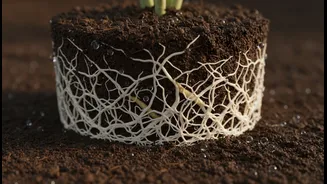


The Hidden Danger of Overwatering
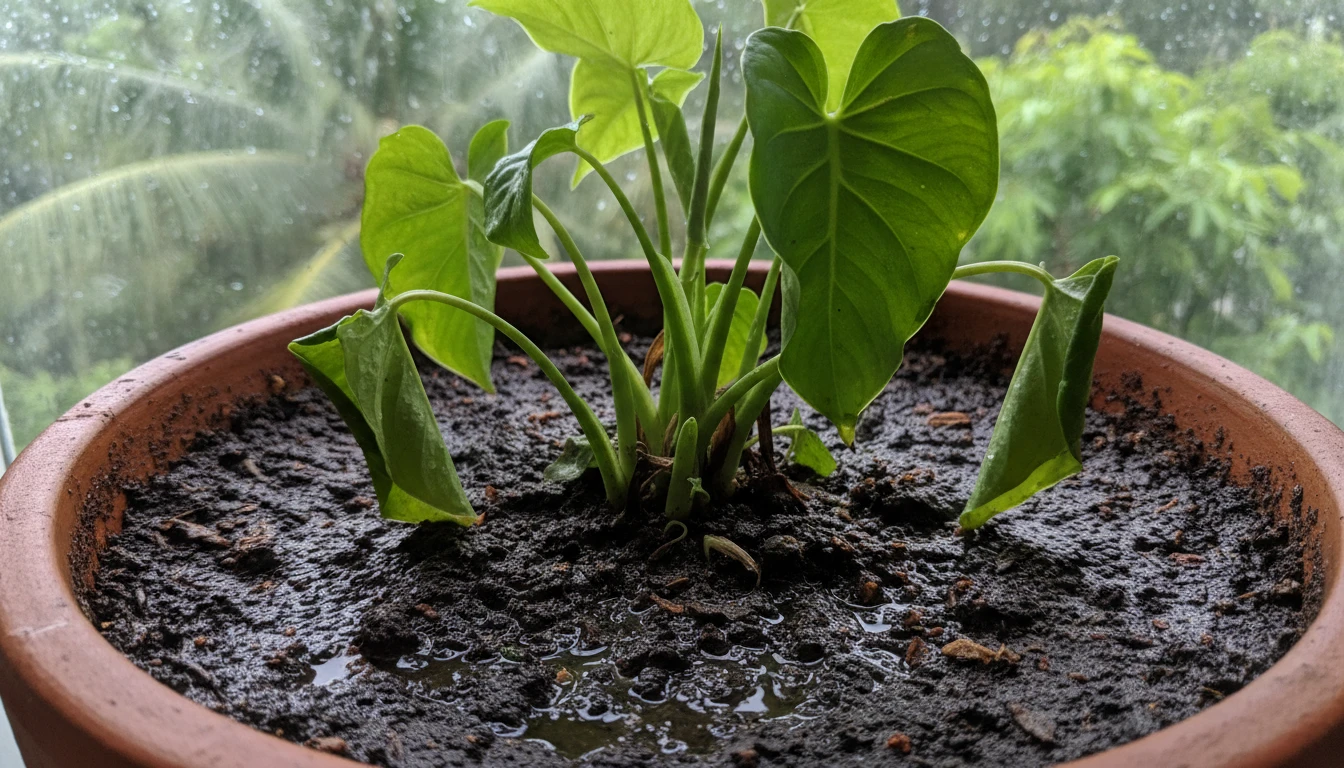
During the monsoon, the combination of frequent rain, high humidity, and reduced sunlight means that soil stays wet for much longer. When you water your plants on a fixed schedule without accounting for this, the soil can become waterlogged. This suffocates
the roots by filling all the air pockets in the soil, depriving them of the oxygen they need to function. This oxygen deprivation not only hinders the plant's ability to absorb nutrients but also creates the perfect breeding ground for fungal diseases, leading to a condition known as root rot.
What is Root Rot?
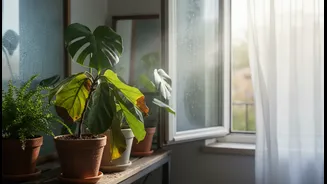
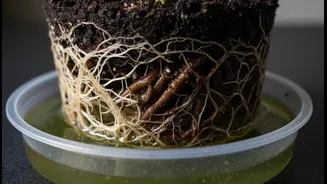
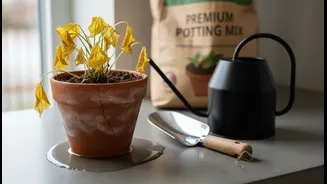
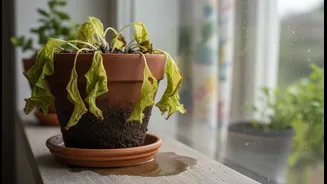
Root rot is a disease that attacks plant roots, causing them to become brown, mushy, and decay. Healthy roots are typically firm and white or tan, but when they rot, they can no longer absorb water and nutrients effectively. Ironically, a plant suffering from root rot can appear wilted and thirsty, which might mislead you into watering it even more. Other tell-tale signs include yellowing leaves (especially lower ones), stunted growth, and a foul, swampy odour coming from the soil.
The Finger Test: Your Most Reliable Tool
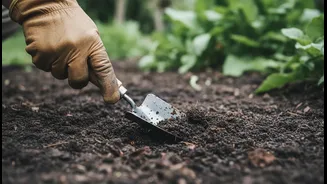
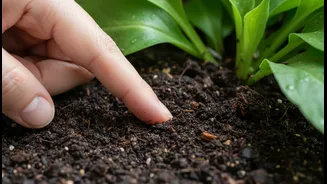
Instead of relying on a schedule, let your plants tell you when they need a drink. The simplest and most effective way to check is the 'finger test'. Push your index finger about one to two inches into the soil near the base of the plant. If the soil feels moist at your fingertip, there is no need to water. Let it be. If it feels dry and crumbly, it's time to give your plant a drink. This simple, two-second check is the best way to prevent the common mistake of overwatering during the rainy season.
Ensuring Proper Drainage is Key
Good drainage is your plant's best defence against the monsoon's challenges. Ensure every pot has drainage holes at the bottom so excess water can escape freely. If pots are sitting on saucers, be sure to empty any collected water promptly. You can also elevate your pots on bricks or 'pot feet' to prevent them from sitting directly on a wet surface, which further improves drainage and airflow. Using a well-draining potting mix, often containing perlite or sand, is also crucial as it prevents soil from becoming dense and compacted.
Special Considerations for Different Plants
Not all plants have the same water requirements. Succulents and cacti, for example, are highly susceptible to root rot and need much less water, especially in humid conditions. It's often best to move them to a sheltered spot away from direct rain. In contrast, tropical plants with large leaves may still require consistent moisture, but even they are at risk of being overwatered. Always perform the finger test, regardless of the plant type. During the monsoon, it's also wise to reduce fertilising, as heavy rains can wash nutrients away before the waterlogged roots can absorb them.