



Embrace Earthy '70s Tones
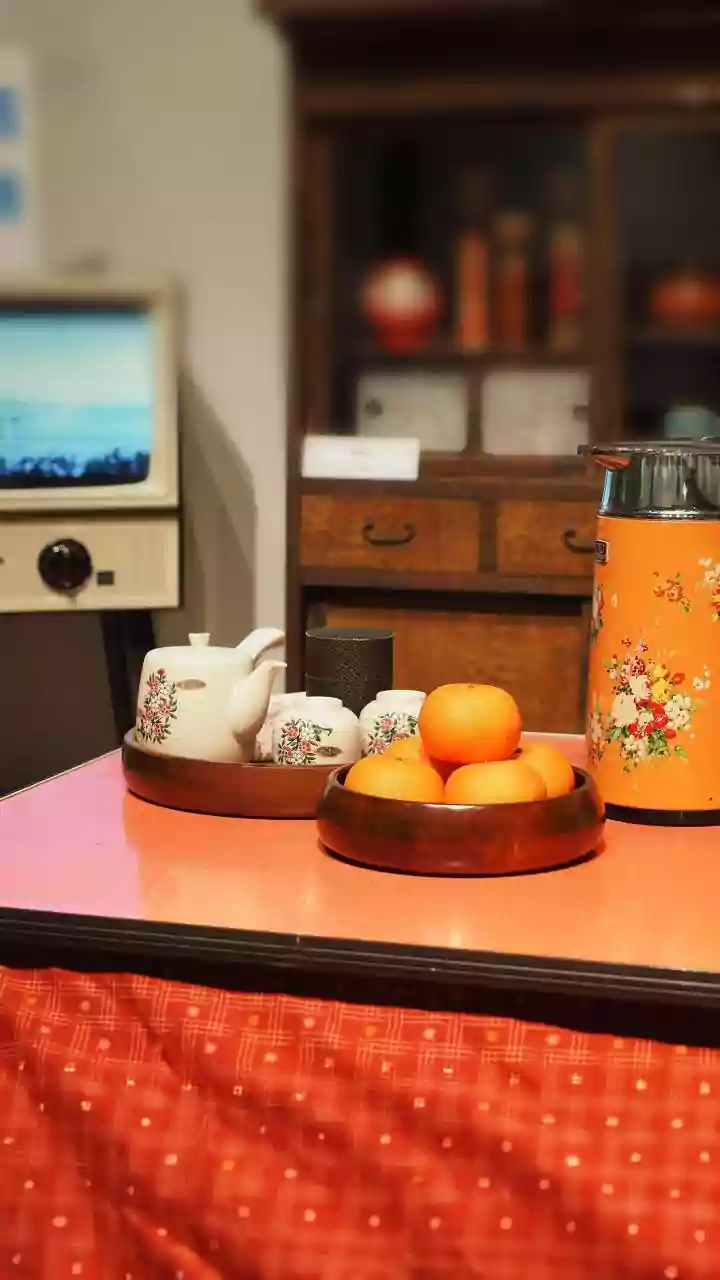
The 1970s were defined by a shift towards earthy, nature-inspired hues that create a grounded and inviting atmosphere. Think of colours like burnt orange, mustard yellow, avocado or olive green, and deep chocolate browns. These tones were often layered
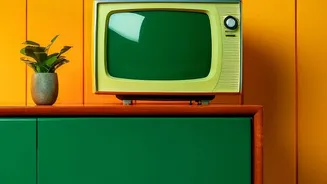
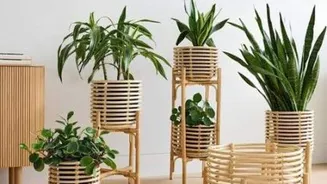
to create a cocooning feel. To bring this into a modern home, you can paint a feature wall in a rich terracotta or introduce a plush velvet sofa in mustard yellow. These colours pair beautifully with natural materials like wood and rattan, enhancing the organic feel of the space.
Go Glam with Art Deco Jewel Tones
For a touch of luxury and drama, look to the Art Deco period of the 1920s and '30s. This style is known for its opulence, featuring rich jewel tones like deep emerald green, sapphire blue, and ruby red. These bold colours are often paired with metallic accents, such as gold, brass, or chrome, and high-gloss finishes to create a sense of sophistication. You can introduce this look with a lacquered cabinet in a striking blue, velvet cushions in emerald, or even by using dramatic paint colours in a powder room. A heavy use of black as a contrasting element is also characteristic of this style.
Create Calm with Mid-Century Pastels
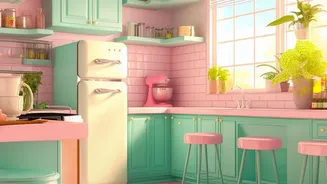
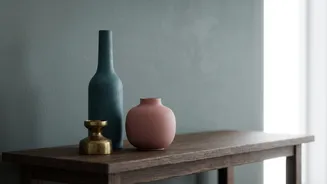
The mid-century modern era (roughly 1940s-1960s) offered a softer, more optimistic palette. While it embraced earthy tones, it also popularised the use of playful pastels and lighter colours. Think dusty pinks, mint greens, and pale blues, often set against a neutral backdrop. These colours work well in creating a calm yet characterful space. A monochromatic scheme, like pairing a light blue wall with a deeper blue sofa, is a classic mid-century move. This palette is perfect for living rooms and bedrooms where you want a serene but not sterile environment.
Start Small with Accent Pieces
If you're not ready to commit to painting entire rooms, adding vintage colours through accent pieces is a fantastic starting point. This allows you to experiment without being overwhelmed. A single statement piece, like a worn leather armchair or a brightly coloured sideboard, can anchor a room. You can also introduce vintage hues through textiles like rugs, curtains, and throw pillows. Even smaller decor items like ceramic vases, retro radios, or table lamps in classic vintage shapes and colours can add a pop of personality and historical charm.
Use a Consistent Colour Palette
Whether you're mixing a few vintage items into a modern room or going for a full retro theme, a consistent colour palette is key to creating a cohesive look. Choose two or three main colours and use different shades and tones to add depth. For example, you can pull a colour from a vintage floral wallpaper or an antique rug and repeat it in modern accessories throughout the room. This strategy helps bridge the gap between old and new, ensuring your space feels intentionally designed rather than cluttered.
Play with Vintage-Inspired Patterns
Colour isn't just about solid paint; it's also about pattern. Many vintage eras are defined by their distinctive patterns. Art Deco is known for its bold, symmetrical geometric shapes like sunbursts and chevrons. The mid-century period favoured more organic and abstract shapes, while the '70s embraced bold floral and psychedelic prints. Using a vintage-inspired wallpaper on an accent wall or incorporating patterned tiles in a kitchen or bathroom can make a huge impact. These patterns introduce both colour and texture, adding another layer of historical character to your home.