

Bal Mithai: The Himalayan Fudge
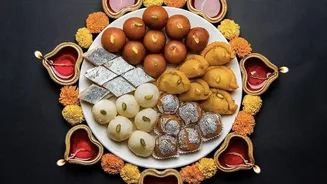
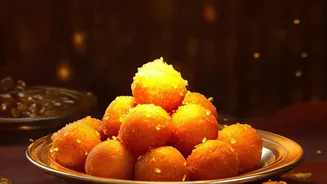
Hailing from the Kumaon region of Uttarakhand, Bal Mithai is a visually striking sweet that looks like a dark, chocolate-like fudge coated in tiny white sugar balls. It's made by slowly roasting khoya (milk solids) until it caramelises into a deep brown,
nutty confection. This process gives it a rich, slightly granular texture and a flavour that is entirely its own, distinct from any cocoa-based sweet. More than just a dessert, Bal Mithai is a cultural symbol in towns like Almora, exchanged during festivals and offered as a proud representation of Himalayan culinary heritage. Adding this to the table brings a taste of the mountains to the celebration.
Ada Pradhaman: Kerala's Coconut Dream
From the lush landscapes of Kerala comes Ada Pradhaman, a rich, liquid dessert that’s a cornerstone of the celebratory Onam sadya feast. This payasam (kheer) is made not with milk, but with creamy, decadent coconut milk, sweetened with earthy jaggery. The 'ada' are flakes or pasta made of rice, which swim in the luscious sauce. The result is a dairy-free, deeply comforting dessert with a silky texture, worlds apart from the milk-heavy sweets of the north. Its inclusion is a nod to the distinct and sophisticated flavours of the South, reminding us that sweetness comes in many forms.
Pithe: The Pride of the East
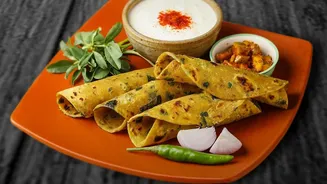
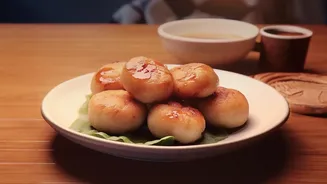
In Bengal and across the East, 'pithe' isn't a single sweet but an entire category of festive rice-based delicacies. These can be steamed, fried, or griddled, and come in countless shapes and forms. A classic example is the Patishapta, a delicate crepe made from rice flour, rolled around a warm, fragrant filling of grated coconut and date palm jaggery. Another is the Bhaja Puli, a fried dumpling with a crispy shell made from moong dal and rice flour, hiding a sweet coconut centre. Serving an assortment of pithe is celebrating the ingenuity and seasonal bounty of Eastern India.
Bebinca: The Layered Wonder of Goa
Known as the 'Queen of Goan Desserts', Bebinca is a testament to patience and perfection. An Indo-Portuguese creation, it’s a rich layer cake traditionally made with seven to sixteen layers. The simple batter of flour, egg yolk, sugar, and coconut milk is baked one delicate layer at a time, with a smear of ghee between each. This laborious process creates a stunning, striped dessert with a dense, pudding-like texture and a subtle flavour of nutmeg. Bebinca brings a slice of Goa's unique history and its fusion culture right to the dessert table.
Chak-hao Kheer: Manipur's Purple Jewel
For a truly unique and visually stunning addition, look to the Northeast. Chak-hao Kheer is a Manipuri pudding made from the region's indigenous black rice, also known as 'forbidden rice'. When cooked with milk and sugar, the rice releases its natural pigments, turning the kheer a mesmerising deep purple. Beyond its incredible colour, the rice has a distinct nutty flavour and a slightly chewy texture that makes this kheer unlike any other. Simple, elegant, and rooted in its specific geography, Chak-hao Kheer is a delicious tribute to the unique culinary landscape of Manipur and the Northeast.