

An Engineering Marvel for a Summer Capital
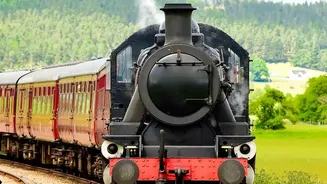
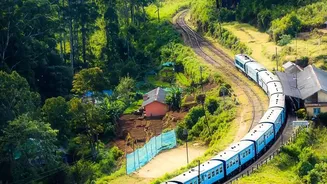
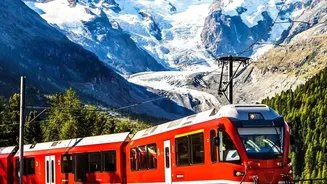
More than a mere train ride, the Kalka-Shimla Railway is a moving monument to ambition and ingenuity. Built between 1898 and 1903, this narrow-gauge line was an audacious project undertaken to connect the plains with Shimla, the erstwhile summer capital
of British India. Before the railway, the annual migration of the entire colonial administration from Calcutta was an arduous multi-day affair involving horses and bullock carts. The railway, inaugurated by Lord Curzon, was designed to provide a comfortable, all-weather route for the officials and their families. This remarkable feat, traversing over 96 kilometres, was recognized for its outstanding universal value when it was inscribed as a UNESCO World Heritage Site in 2008, as part of the Mountain Railways of India.
Through Tunnels, Over Bridges
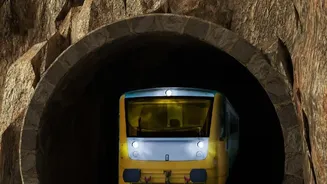
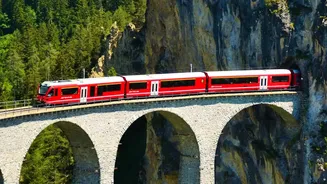
The magic of the journey lies in the very features that made its construction so challenging. The train navigates an astonishing 919 curves, crosses more than 860 bridges, and passes through 102 tunnels. Each element is a testament to the engineering prowess of the early 20th century. The most famous of these structures is the Barog Tunnel (No. 33), the longest on the route at over a kilometre. The story of its construction is legendary, involving a tragic tale about its first engineer, Colonel Barog, who made a critical calculation error. Humiliated, he is said to have taken his own life near the site. The current tunnel, completed by another engineer, remains a highlight, plunging the carriages into darkness for nearly three minutes before emerging back into the mountain light.
Stations Suspended in Time
The journey is punctuated by stops at 18 charming stations, many of which seem preserved from the colonial era. From the workshop hub at Kalka where the journey begins, the train ascends to quaint halts like Dharampur and Kumarhatti. Barog station, with its gabled roof and serene valley views, is a passenger favourite. Further up the line, stations like Solan, once known for its brewery, and Summer Hill, which served the Viceregal Lodge, add layers of history to the trip. These stations are not just stops; they are living museums, their architecture and quiet platforms telling stories of a bygone era. Many of the original station buildings are still in use today.
A Symphony of Himalayan Scenery
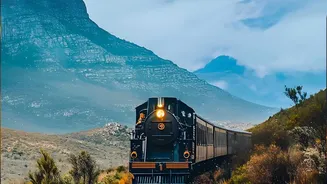
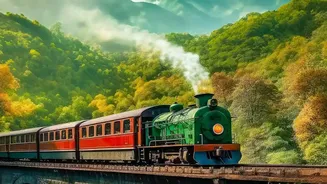
As the train leisurely climbs over 1,400 metres from Kalka to Shimla, the landscape transforms dramatically. The initial scrub of the foothills gives way to dense forests of pine, oak, and rhododendron. The slow pace of the train, averaging between 25 to 30 kilometres per hour, is intentional, allowing passengers to soak in the panoramic views of the Shivalik ranges. On one side, deep valleys plunge away, while on the other, hillsides dotted with small villages and terraced farms offer a glimpse into local life. Each bend reveals a new vista, a fresh perspective on the majestic Himalayan foothills, making the window seat the most coveted spot on the train.