



The Double Share Promise
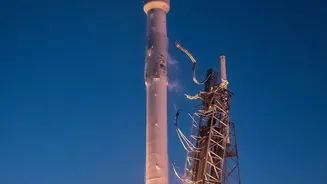
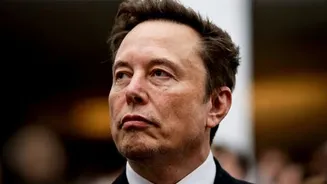
On Wednesday, November 25, 2026, Elon Musk announced a plan to give every child in the United States two shares of SpaceX, the space and AI company he leads. The commitment doubled a similar pledge he made in October and is valued at approximately $18
billion. According to his posts on the social media platform X, the plan involves two parts: one share will come directly from the company, SpaceX, and a second share will come from Musk personally. This ambitious giveaway is one of the largest philanthropic gestures of its kind, aiming to give the next generation of Americans a direct stake in the future of space exploration and technology. The move was announced just hours after SpaceX received regulatory approval to launch a million satellites for its space-based data center ambitions.
A Tale of Two Timelines
The distribution is not scheduled to happen all at once. Musk laid out a two-part timeline for the share transfers. The first share, contributed by SpaceX, is slated for transfer in December 2026. The second share, from Musk’s personal holdings, will follow later. He stated this portion will be transferred in June 2027, after the lock-up period from SpaceX's initial public offering expires. This staggered approach means eligible children will receive their shares on different dates, and the total value could fluctuate with the stock market between the two transfers. This timeline provides the first concrete dates for a plan that has evolved since its initial mention a month prior.
The Eligibility Question: What Is a 'Trump Account'?
The key to eligibility appears to be the 'Trump Account'. SpaceX's official statements clarify that the company will contribute one share of its Class A common stock to every active Trump Account. These are tax-advantaged investment accounts for American children under 18, established under a 2025 tax law. The program was designed to give every American child a stake in the stock market from an early age. While nearly 70 million such accounts have been created, parents or guardians must officially claim and activate them. To further incentivize the program, the government offers a one-time $1,000 contribution for eligible children born between 2025 and 2028. The success and reach of Musk’s promise, therefore, hinge on how many of these accounts are active and ready to receive the shares.
The Logistics of a Landmark Gift
Gifting stock to millions of minors is a complex logistical and legal challenge. Using the Trump Account system provides a pre-existing framework for the distribution. Without it, SpaceX and Musk would face the monumental task of verifying the identity of roughly 72 million children and establishing individual custodial accounts, which are investment accounts managed by an adult until the minor comes of age. The donation also comes with conditions. According to some reports on the rules governing stock contributions to these accounts, the shares cannot be refused or sold for at least five years, or until the child turns 17, whichever is sooner. This restriction encourages a long-term investment mindset, aligning with Musk's own advice to 'hold on to your shares'. SpaceX President Gwynne Shotwell and her husband previously used this mechanism for a smaller-scale donation of their own shares to over 2 million children.
The Bigger Picture: A Stake in the Future
This massive stock giveaway is part of a broader conversation in the tech world about how to distribute the wealth generated by advancements in artificial intelligence and other technologies. In a statement, SpaceX said it believes 'ownership of the company creating these systems should extend to the next generation of Americans for their long-term benefit'. Musk's move contrasts with other approaches, such as the AI company Anthropic committing 5% of its shares to a public benefit fund. By giving shares directly to children, Musk aims to create a powerful narrative about broad public participation in the space economy. He has enthusiastically promoted the long-term potential of the company, suggesting that if SpaceX succeeds in its grandest ambitions, the shares could become immensely valuable.