

A Continent in Retreat
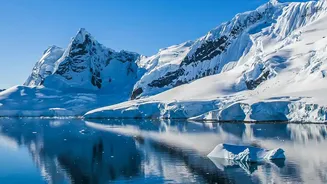
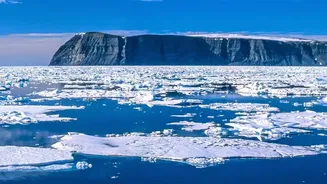
For years, while the Arctic was grabbing headlines for its dramatic ice loss, Antarctica’s sea ice seemed surprisingly resilient. That has changed dramatically. This year, the winter sea ice peaked at its third-lowest level since satellite records began
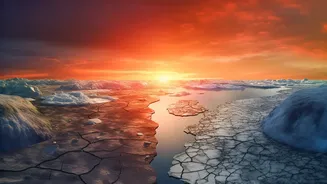
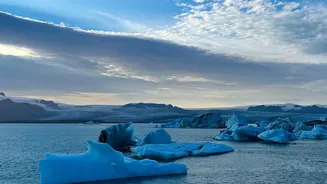
in 1979. On September 14, ice coverage was about one million square kilometres less than the long-term average—an area roughly twice the size of Spain. Alarmingly, the four lowest winter maximums have all occurred in the last four years, signalling a definitive shift. Scientists who once saw Antarctica as stable are now concerned that the system has flipped into a new, low-ice state.
The El Niño Connection
The headline-grabbing culprit this year is a potentially historic El Niño, a natural climate phenomenon characterised by warmer-than-average sea surface temperatures in the tropical Pacific Ocean. But its effect on Antarctica isn't straightforward. El Niño doesn't just warm everything up. Instead, it creates atmospheric waves that travel to the poles. Over West Antarctica, these waves can change wind patterns. These altered winds do two contradictory things: they can carry more moisture, leading to more snowfall on top of ice shelves, but they also push warmer deep ocean water up from below, melting ice from the bottom. Studies show the melting effect wins, resulting in a net loss of ice mass during El Niño events.
An Amplifier, Not the Sole Cause
While El Niño is a major factor in this year's low, experts caution against blaming it entirely. The powerful El Niño is acting on a baseline that has already been dangerously warmed by decades of greenhouse gas emissions. Think of long-term climate change as raising the floor, making the entire system more vulnerable. Natural cycles like El Niño then act as amplifiers, pushing the already-stressed system to new extremes. Some scientists believe that even without this year's powerful El Niño, the sea ice would still be in a similar, concerningly low position due to the overwhelming influence of ocean heat that has built up over decades.
Why a Melting South Matters Everywhere
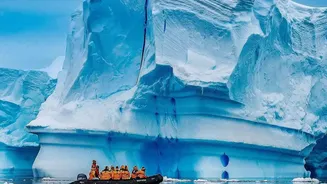
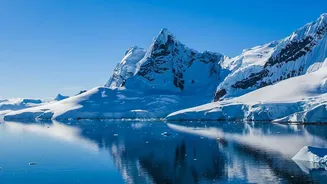
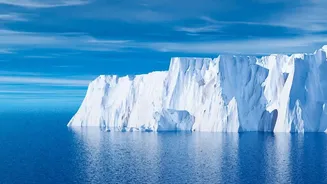
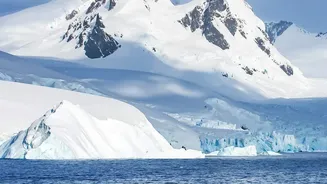
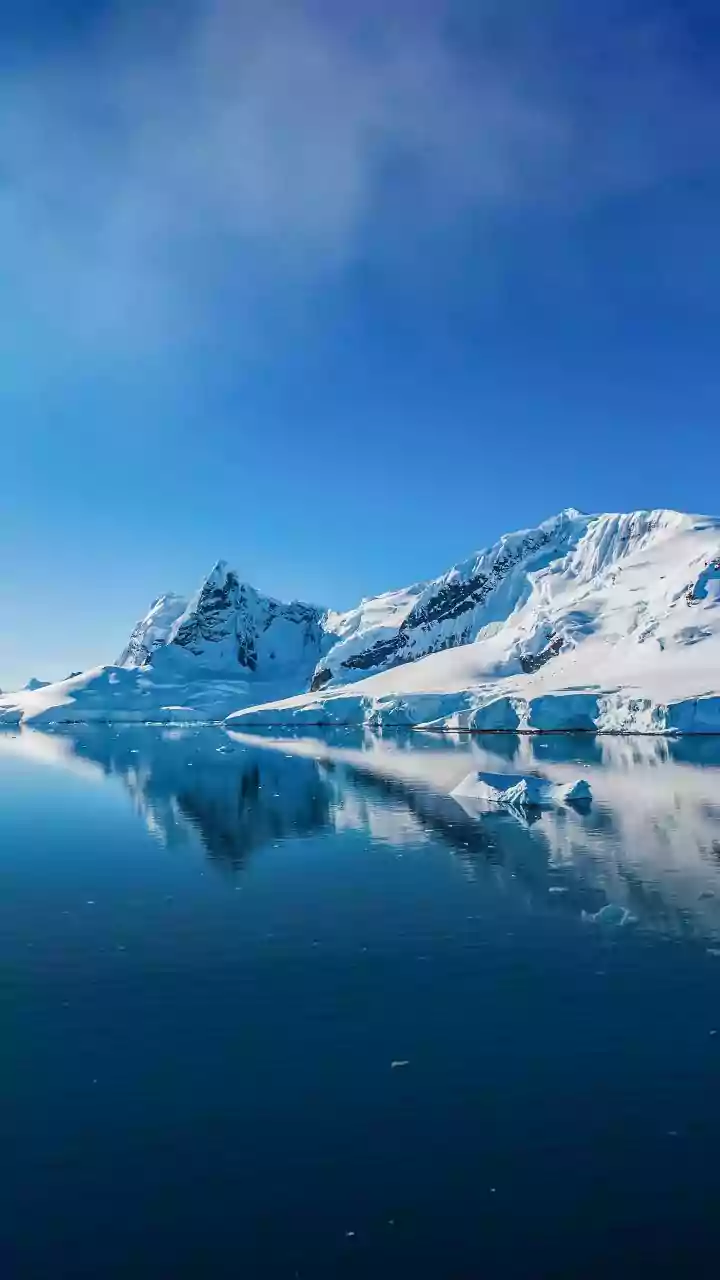
The loss of Antarctic sea ice has global consequences. The vast white ice acts like a giant mirror, reflecting the sun's energy back into space. When it is replaced by dark ocean water, more heat is absorbed by the planet, creating a feedback loop that accelerates warming. This doesn't just stay in Antarctica. The continent's ice helps drive deep-water currents that regulate the entire planet's climate. While melting sea ice itself doesn't raise sea levels (as it's already floating), its absence exposes the massive land-based ice shelves to the open ocean, making them more vulnerable to melting and collapse. That land ice holds enough water to raise global sea levels by several metres.
Impacts Closer to Home
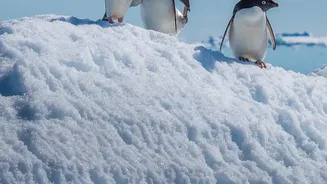
What happens in Antarctica doesn't stay in Antarctica. The climate systems are all connected. A supercharged El Niño, like the one developing in 2026, is already being linked to a delayed monsoon in India and other weather disruptions across the globe. The destabilisation of polar climates can lead to more extreme and unpredictable weather patterns worldwide. Furthermore, the Southern Ocean is a critical part of the global food web. Sea ice is a vital habitat for krill, the tiny crustaceans that form the base of the food chain for everything from penguins to blue whales. A collapse in krill populations would have cascading effects on marine ecosystems and the global fishing industry.